
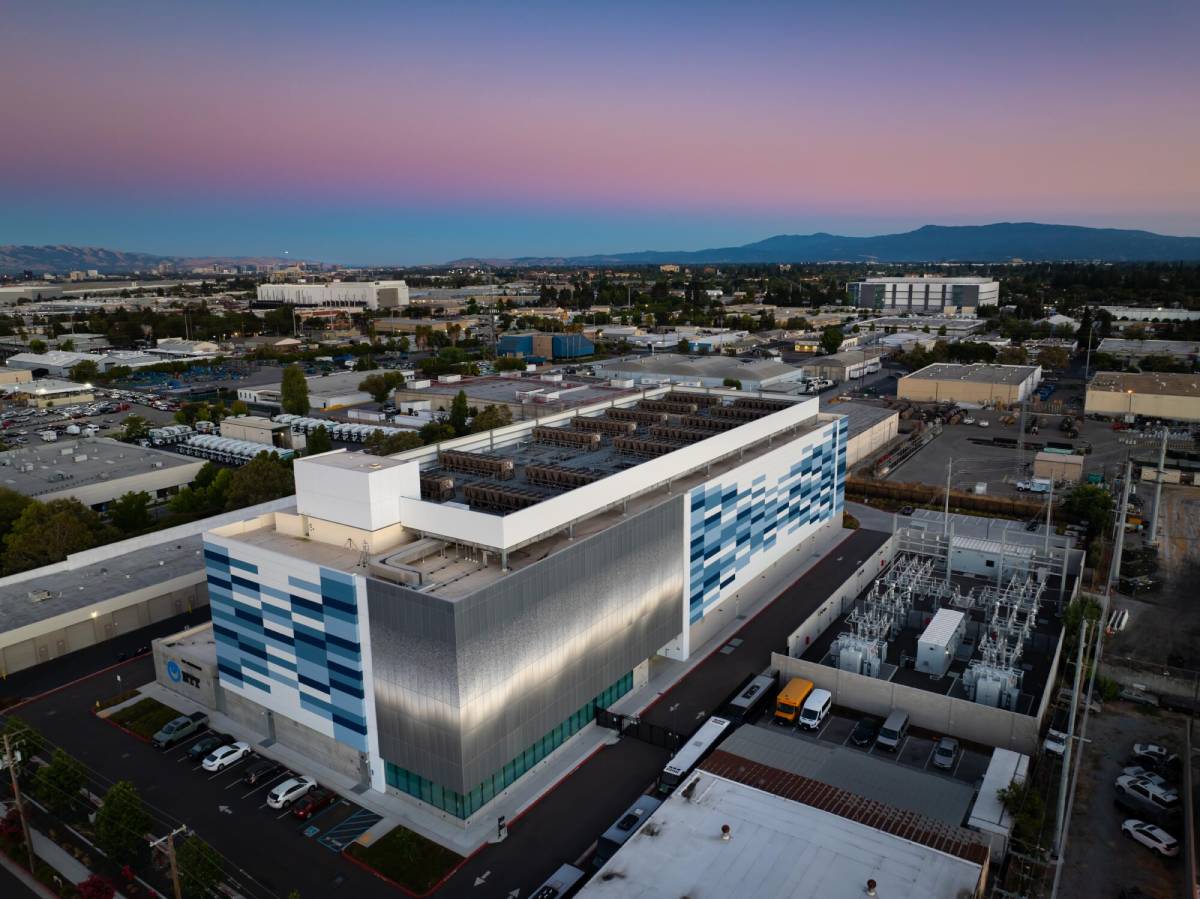
PG&E Shields Central Valley as AI Power Demand Surges

PG&E stated that new or expanding AI data centers connecting to its grid would be required to bear the cost of necessary infrastructure upgrades, rather than passing those expenses onto existing ratepayers.

February 24, 2026
|

Pacific Gas and Electric Company (PG&E) has vowed that rising electricity demand from AI-driven data centers will not lead to higher power bills for customers in California’s Central Valley. The assurance comes amid mounting concerns that the AI infrastructure boom could strain grids and shift energy costs onto households and small businesses.

PG&E stated that new or expanding AI data centers connecting to its grid would be required to bear the cost of necessary infrastructure upgrades, rather than passing those expenses onto existing ratepayers.

The utility emphasized that large-load customers  including hyperscale data center operators must fund transmission and distribution improvements tied directly to their power usage. The Central Valley has emerged as a potential hub for data center expansion due to available land and grid access. The announcement follows heightened public scrutiny over whether rapid AI-related energy consumption could drive residential electricity rate hikes in California.

Regulatory oversight from the California Public Utilities Commission remains central to implementation. The development aligns with a broader national debate over how the AI data center boom will reshape energy markets. Generative AI systems require immense computing power, driving exponential growth in electricity consumption across data center clusters. Utilities nationwide are grappling with how to finance grid upgrades while maintaining affordability.

California, already facing elevated electricity costs and wildfire-related infrastructure investments, is particularly sensitive to ratepayer impacts. Historically, utilities have used cost-allocation mechanisms to determine who pays for system expansions. The rapid scaling of AI workloads is testing traditional regulatory models.

For policymakers and executives, the issue extends beyond California. Similar tensions are emerging in Texas, Virginia, and other data center-heavy states, where balancing economic development with consumer protection is becoming increasingly complex.

Energy policy experts note that requiring large AI operators to directly fund infrastructure upgrades could set an important precedent for equitable cost distribution. Utility analysts argue that transparent cost-allocation frameworks are essential to prevent public backlash against AI expansion.

PG&E executives have emphasized that economic growth from data center investments must not compromise affordability for existing customers. Industry observers highlight that hyperscale operators often negotiate long-term power purchase agreements and may invest in on-site renewable generation to mitigate grid strain.

However, experts caution that even if direct upgrade costs are covered by data centers, broader system capacity expansions could indirectly influence rate structures over time. Regulators are likely to closely monitor implementation to ensure compliance and fairness. For AI companies and hyperscale cloud providers, the message is clear: infrastructure expansion will come with direct financial responsibility.

This could raise capital expenditure requirements for new facilities but may also provide greater regulatory clarity. Investors in utility stocks may view the approach as risk-mitigating, reducing political exposure tied to consumer rate hikes.

From a policy standpoint, the model could influence how other states manage AI-driven electricity demand growth. Governments may increasingly require large industrial users to shoulder grid upgrade costs, redefining energy financing frameworks in the AI era.

As AI infrastructure projects advance in California, attention will turn to how effectively PG&E enforces its cost-allocation commitments. Regulatory approvals, community response, and long-term grid reliability metrics will shape outcomes. The broader question remains: can utilities scale to meet AI’s power appetite without triggering consumer backlash?

California’s approach may become a template for managing the energy economics of the AI revolution.

Source: ABC30
Date: February 2026

  • Featured tools
Kreateable AI
Free

Kreateable AI is a white-label, AI-driven design platform that enables logo generation, social media posts, ads, and more for businesses, agencies, and service providers.

#
Logo Generator
Learn more
Copy Ai
Free

Copy AI is one of the most popular AI writing tools designed to help professionals create high-quality content quickly. Whether you are a product manager drafting feature descriptions or a marketer creating ad copy, Copy AI can save hours of work while maintaining creativity and tone.

#
Copywriting
Learn more

Learn more about future of AI

Join 80,000+ Ai enthusiast getting weekly updates on exciting AI tools.
Thank you! Your submission has been received!
Oops! Something went wrong while submitting the form.

PG&E Shields Central Valley as AI Power Demand Surges

February 24, 2026

PG&E stated that new or expanding AI data centers connecting to its grid would be required to bear the cost of necessary infrastructure upgrades, rather than passing those expenses onto existing ratepayers.

Pacific Gas and Electric Company (PG&E) has vowed that rising electricity demand from AI-driven data centers will not lead to higher power bills for customers in California’s Central Valley. The assurance comes amid mounting concerns that the AI infrastructure boom could strain grids and shift energy costs onto households and small businesses.

PG&E stated that new or expanding AI data centers connecting to its grid would be required to bear the cost of necessary infrastructure upgrades, rather than passing those expenses onto existing ratepayers.

The utility emphasized that large-load customers  including hyperscale data center operators must fund transmission and distribution improvements tied directly to their power usage. The Central Valley has emerged as a potential hub for data center expansion due to available land and grid access. The announcement follows heightened public scrutiny over whether rapid AI-related energy consumption could drive residential electricity rate hikes in California.

Regulatory oversight from the California Public Utilities Commission remains central to implementation. The development aligns with a broader national debate over how the AI data center boom will reshape energy markets. Generative AI systems require immense computing power, driving exponential growth in electricity consumption across data center clusters. Utilities nationwide are grappling with how to finance grid upgrades while maintaining affordability.

California, already facing elevated electricity costs and wildfire-related infrastructure investments, is particularly sensitive to ratepayer impacts. Historically, utilities have used cost-allocation mechanisms to determine who pays for system expansions. The rapid scaling of AI workloads is testing traditional regulatory models.

For policymakers and executives, the issue extends beyond California. Similar tensions are emerging in Texas, Virginia, and other data center-heavy states, where balancing economic development with consumer protection is becoming increasingly complex.

Energy policy experts note that requiring large AI operators to directly fund infrastructure upgrades could set an important precedent for equitable cost distribution. Utility analysts argue that transparent cost-allocation frameworks are essential to prevent public backlash against AI expansion.

PG&E executives have emphasized that economic growth from data center investments must not compromise affordability for existing customers. Industry observers highlight that hyperscale operators often negotiate long-term power purchase agreements and may invest in on-site renewable generation to mitigate grid strain.

However, experts caution that even if direct upgrade costs are covered by data centers, broader system capacity expansions could indirectly influence rate structures over time. Regulators are likely to closely monitor implementation to ensure compliance and fairness. For AI companies and hyperscale cloud providers, the message is clear: infrastructure expansion will come with direct financial responsibility.

This could raise capital expenditure requirements for new facilities but may also provide greater regulatory clarity. Investors in utility stocks may view the approach as risk-mitigating, reducing political exposure tied to consumer rate hikes.

From a policy standpoint, the model could influence how other states manage AI-driven electricity demand growth. Governments may increasingly require large industrial users to shoulder grid upgrade costs, redefining energy financing frameworks in the AI era.

As AI infrastructure projects advance in California, attention will turn to how effectively PG&E enforces its cost-allocation commitments. Regulatory approvals, community response, and long-term grid reliability metrics will shape outcomes. The broader question remains: can utilities scale to meet AI’s power appetite without triggering consumer backlash?

California’s approach may become a template for managing the energy economics of the AI revolution.

Source: ABC30
Date: February 2026

Promote Your Tool

Copy Embed Code

Similar Blogs

February 24, 2026
|

Jamie Dimon Calms Markets, Downplays AI Disruption Risks

Dimon addressed concerns at a corporate briefing, emphasizing JPMorgan’s proactive adoption of AI for efficiency, compliance, and customer services.
Read more
February 24, 2026
|

Asian Markets Steady After Wall Street Rout in AI Exposed Stocks

Markets across Asia traded unevenly following a sharp US selloff in technology and legacy IT stocks exposed to AI disruption. Wall Street investors rotated out of companies perceived as vulnerable to automation.
Read more
February 24, 2026
|

Crypto Markets Slide as AI Jitters Trigger Sharp IBM Selloff

Cryptocurrency markets recorded deeper declines amid a broader tech-led selloff, reflecting risk-off sentiment among global investors. IBM shares plunged 11%, highlighting heightened sensitivity to earnings expectations.
Read more
February 24, 2026
|

Indian IT Stocks Extend Losses as AI Fears Trigger Global Repricing

Shares of major Indian IT services firms extended losses following global volatility in AI-linked equities.
Read more
February 24, 2026
|

AI Coding Platforms Threaten Freemium App Model Economics

Advances in generative AI coding assistants now allow users to create simple, task-specific applications through natural language prompts, reducing reliance on standalone freemium utilities.
Read more
February 24, 2026
|

AI Powered Body Scans Expand Across Health and Retail

AI-driven body scanning platforms are increasingly being deployed in gyms, wellness centers, medical clinics, and retail environments.
Read more