
Cyberdeck Computing Evolves DIY Hardware Niche

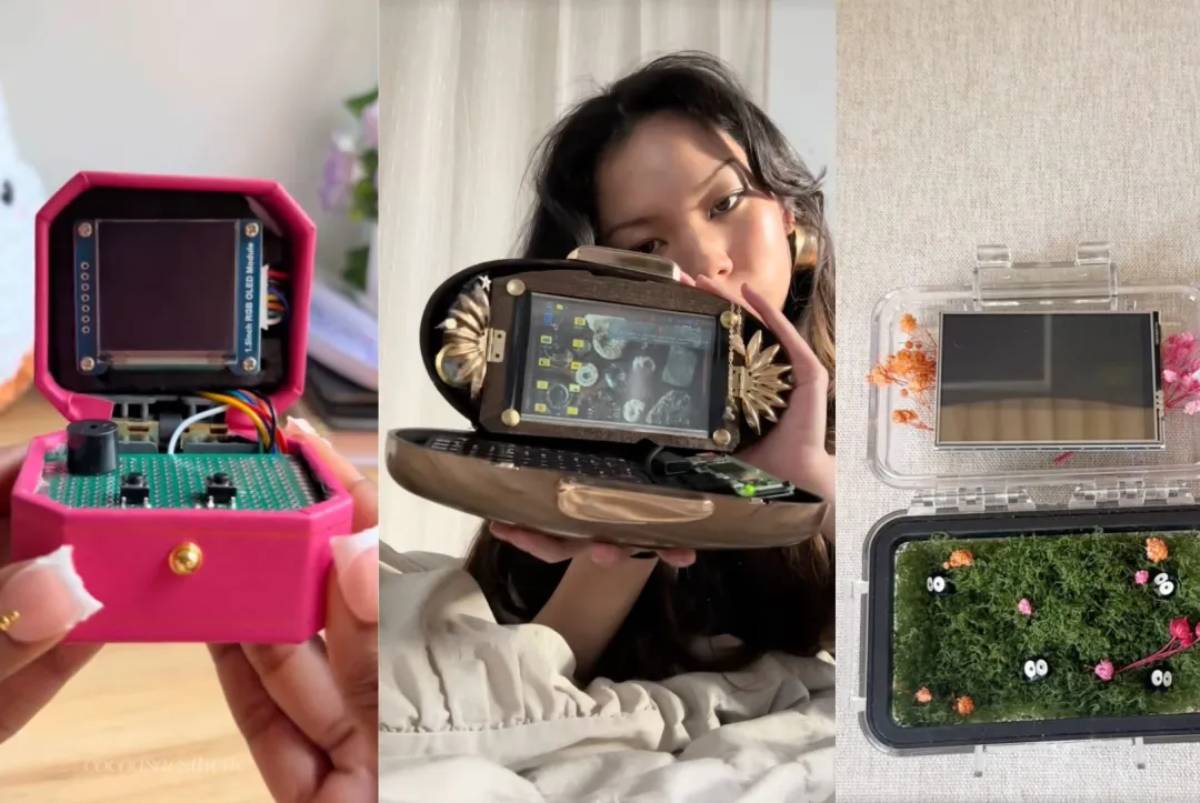
Cyberdecks, originally inspired by science fiction and early portable computing concepts, are increasingly being redesigned by independent creators and tech enthusiasts into compact, customized devices.

June 5, 2026
|
Image Source: The Verge

A growing subculture in personal computing is reshaping niche hardware trends as cyberdecks once bulky, laptop-like DIY machines evolve into highly personalized devices. The shift reflects broader changes in maker culture, digital identity, and experimental computing, where users increasingly prioritize customization, portability, and aesthetic expression over standardized hardware design.

Cyberdecks, originally inspired by science fiction and early portable computing concepts, are increasingly being redesigned by independent creators and tech enthusiasts into compact, customized devices. These builds often feature modular components, unconventional interfaces, and highly personalized design elements tailored to specific user preferences.

The trend has gained visibility through online platforms showcasing DIY builds, particularly social media communities focused on hardware experimentation. Unlike traditional laptops, cyberdecks prioritize individuality and creative engineering over mass-market functionality. This shift reflects a growing segment of tech culture that values personalization, open hardware design, and experimental computing setups. The movement remains niche but is gaining momentum within enthusiast and maker communities globally.

The development aligns with a broader trend across global technology markets where personalization and modular design are reshaping consumer expectations in hardware and software ecosystems. Over the past decade, maker culture has expanded significantly, supported by open-source hardware platforms, 3D printing, and accessible electronics prototyping tools.

Cyberdecks draw inspiration from cyberpunk literature and retro-futuristic computing concepts, blending aesthetics with functional experimentation. While mainstream computing has largely standardized around smartphones, laptops, and tablets, niche communities continue to explore alternative computing architectures.

Historically, computing innovation often begins in experimental communities before influencing mainstream products. The rise of customizable hardware reflects similar patterns seen in gaming PCs, mechanical keyboards, and wearable tech. This evolution highlights a growing divide between mass-market efficiency-driven design and enthusiast-driven personalization, where identity and creativity play a central role in technology adoption.

Technology culture analysts suggest that the rise of cyberdeck customization reflects a deeper shift toward identity-driven computing. Experts argue that users are increasingly seeking devices that reflect personal aesthetics and functional preferences rather than standardized commercial products.

Digital culture researchers note that platforms like social media and maker forums have accelerated the visibility of niche hardware communities, enabling rapid dissemination of DIY designs and technical knowledge. This has lowered barriers for entry into experimental hardware building.

Industry observers emphasize that while cyberdecks are unlikely to enter mainstream commercial production, they influence adjacent markets such as modular computing, portable workstations, and open-source hardware ecosystems. Some analysts believe that large technology companies may indirectly adopt elements of this customization trend in future product designs to appeal to younger, more technically engaged audiences.

For hardware manufacturers and technology companies, the cyberdeck trend signals growing consumer interest in personalization and modular design. While niche, it highlights potential demand for customizable computing systems that go beyond fixed-form devices.

Investors may view this movement as part of a broader expansion of enthusiast-driven tech markets, including DIY electronics, gaming hardware, and open-source platforms. These segments often influence early-stage innovation cycles.

For policymakers, the trend raises limited but emerging considerations around electronic waste, hardware modification rights, and open-source hardware regulation. As customization increases, questions around device safety standards and repairability may become more relevant in broader right-to-repair discussions.

The cyberdeck movement is expected to remain a niche but influential subculture within broader computing ecosystems. Future growth will likely depend on community-driven innovation, accessibility of hardware components, and continued interest in personalized computing setups.

While mainstream adoption remains unlikely, elements of this design philosophy may gradually influence commercial hardware trends, particularly in modular and portable computing categories.

Source: The Verge
Date:
June 2026

  • Featured tools
WellSaid Ai
Free

WellSaid AI is an advanced text-to-speech platform that transforms written text into lifelike, human-quality voiceovers.

#
Text to Speech
Learn more
Tome AI
Free

Tome AI is an AI-powered storytelling and presentation tool designed to help users create compelling narratives and presentations quickly and efficiently. It leverages advanced AI technologies to generate content, images, and animations based on user input.

#
Presentation
#
Startup Tools
Learn more

Learn more about future of AI

Join 80,000+ Ai enthusiast getting weekly updates on exciting AI tools.
Thank you! Your submission has been received!
Oops! Something went wrong while submitting the form.

Cyberdeck Computing Evolves DIY Hardware Niche

June 5, 2026

Cyberdecks, originally inspired by science fiction and early portable computing concepts, are increasingly being redesigned by independent creators and tech enthusiasts into compact, customized devices.

Image Source: The Verge

A growing subculture in personal computing is reshaping niche hardware trends as cyberdecks once bulky, laptop-like DIY machines evolve into highly personalized devices. The shift reflects broader changes in maker culture, digital identity, and experimental computing, where users increasingly prioritize customization, portability, and aesthetic expression over standardized hardware design.

Cyberdecks, originally inspired by science fiction and early portable computing concepts, are increasingly being redesigned by independent creators and tech enthusiasts into compact, customized devices. These builds often feature modular components, unconventional interfaces, and highly personalized design elements tailored to specific user preferences.

The trend has gained visibility through online platforms showcasing DIY builds, particularly social media communities focused on hardware experimentation. Unlike traditional laptops, cyberdecks prioritize individuality and creative engineering over mass-market functionality. This shift reflects a growing segment of tech culture that values personalization, open hardware design, and experimental computing setups. The movement remains niche but is gaining momentum within enthusiast and maker communities globally.

The development aligns with a broader trend across global technology markets where personalization and modular design are reshaping consumer expectations in hardware and software ecosystems. Over the past decade, maker culture has expanded significantly, supported by open-source hardware platforms, 3D printing, and accessible electronics prototyping tools.

Cyberdecks draw inspiration from cyberpunk literature and retro-futuristic computing concepts, blending aesthetics with functional experimentation. While mainstream computing has largely standardized around smartphones, laptops, and tablets, niche communities continue to explore alternative computing architectures.

Historically, computing innovation often begins in experimental communities before influencing mainstream products. The rise of customizable hardware reflects similar patterns seen in gaming PCs, mechanical keyboards, and wearable tech. This evolution highlights a growing divide between mass-market efficiency-driven design and enthusiast-driven personalization, where identity and creativity play a central role in technology adoption.

Technology culture analysts suggest that the rise of cyberdeck customization reflects a deeper shift toward identity-driven computing. Experts argue that users are increasingly seeking devices that reflect personal aesthetics and functional preferences rather than standardized commercial products.

Digital culture researchers note that platforms like social media and maker forums have accelerated the visibility of niche hardware communities, enabling rapid dissemination of DIY designs and technical knowledge. This has lowered barriers for entry into experimental hardware building.

Industry observers emphasize that while cyberdecks are unlikely to enter mainstream commercial production, they influence adjacent markets such as modular computing, portable workstations, and open-source hardware ecosystems. Some analysts believe that large technology companies may indirectly adopt elements of this customization trend in future product designs to appeal to younger, more technically engaged audiences.

For hardware manufacturers and technology companies, the cyberdeck trend signals growing consumer interest in personalization and modular design. While niche, it highlights potential demand for customizable computing systems that go beyond fixed-form devices.

Investors may view this movement as part of a broader expansion of enthusiast-driven tech markets, including DIY electronics, gaming hardware, and open-source platforms. These segments often influence early-stage innovation cycles.

For policymakers, the trend raises limited but emerging considerations around electronic waste, hardware modification rights, and open-source hardware regulation. As customization increases, questions around device safety standards and repairability may become more relevant in broader right-to-repair discussions.

The cyberdeck movement is expected to remain a niche but influential subculture within broader computing ecosystems. Future growth will likely depend on community-driven innovation, accessibility of hardware components, and continued interest in personalized computing setups.

While mainstream adoption remains unlikely, elements of this design philosophy may gradually influence commercial hardware trends, particularly in modular and portable computing categories.

Source: The Verge
Date:
June 2026

Promote Your Tool

Copy Embed Code

Similar Blogs

June 5, 2026
|

Apple Siri Strategy Shifts Hybrid AI Model

Reports suggest Apple is exploring deeper integration between Siri and external AI models, including advanced conversational systems, to enhance its capabilities ahead of WWDC 2026.
Read more
June 5, 2026
|

Nvidia RTX Spark Advances AI Creative Computing

Nvidia’s RTX Spark initiative emphasizes enhanced performance for creators using Windows-based systems, particularly in fields such as video editing, 3D rendering, and AI-assisted content generation.
Read more
June 5, 2026
|

DJI Osmo 360 Pushes Premium Market

DJI’s Osmo 360 camera has been reviewed as a technically strong device, offering high-resolution 360-degree capture and robust stabilization features aimed at content creators and professional users.
Read more
June 5, 2026
|

Meta Quest Bundles Boost VR Competition

Meta’s latest bundle promotions for its Quest VR headsets include incentives such as gaming subscription access and additional digital perks aimed at increasing device adoption.
Read more
June 5, 2026
|

Cyberdeck Computing Evolves DIY Hardware Niche

Cyberdecks, originally inspired by science fiction and early portable computing concepts, are increasingly being redesigned by independent creators and tech enthusiasts into compact, customized devices.
Read more
June 5, 2026
|

Google Tests Creator Driven Search Customization

Google’s new feature enables selected social media personalities and creators to personalize their search result pages, effectively shaping how their identity and content are presented to users.
Read more