
Meta Quest Bundles Boost VR Competition

Meta’s latest bundle promotions for its Quest VR headsets include incentives such as gaming subscription access and additional digital perks aimed at increasing device adoption.

June 5, 2026
|
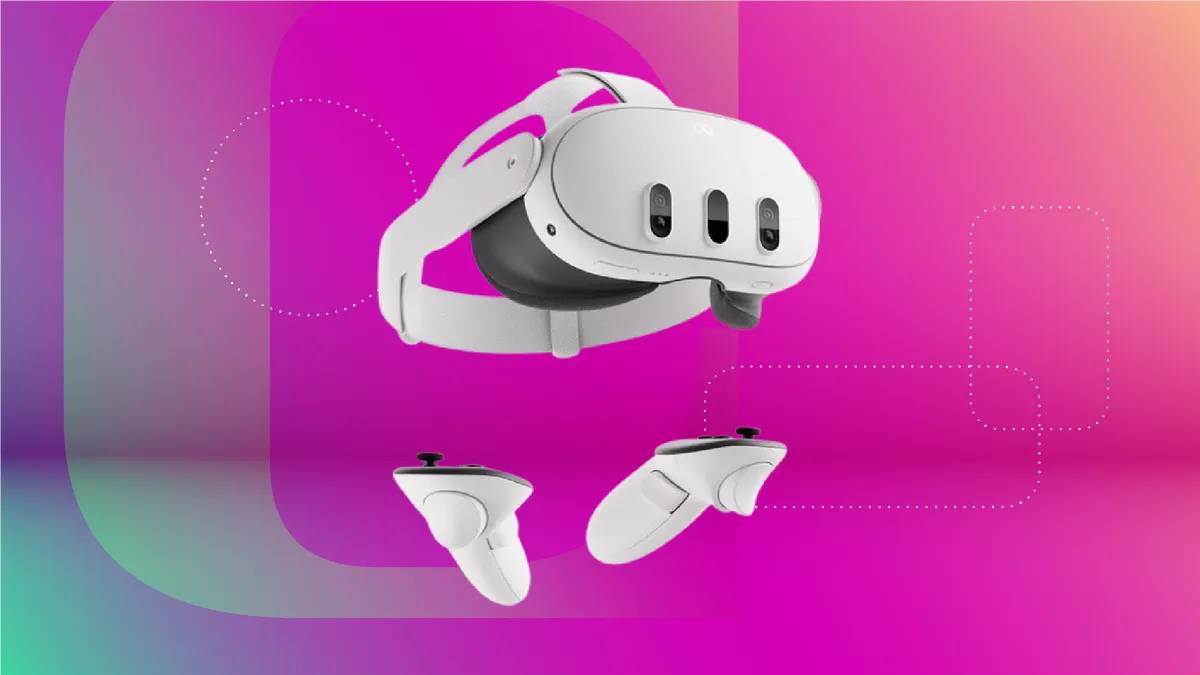
Image Source: CNET

A fresh wave of promotional bundles tied to Meta Quest devices, including gaming subscription incentives, underscores intensifying competition in the virtual reality hardware market. The move reflects growing efforts by technology companies to boost consumer adoption of immersive platforms through bundled services, gaming ecosystems, and value-added digital content offerings.

Meta’s latest bundle promotions for its Quest VR headsets include incentives such as gaming subscription access and additional digital perks aimed at increasing device adoption. These offers are part of a broader strategy to expand the user base of immersive computing platforms by lowering entry barriers for consumers.

The bundles are positioned to enhance the appeal of VR ecosystems by integrating hardware purchases with content subscriptions and gaming services. This approach reflects increasing competition in the mixed-reality space, where hardware providers are seeking to differentiate through ecosystem value rather than device specifications alone. The promotions target both new users and existing gaming audiences, reinforcing Meta’s focus on expanding engagement within its virtual reality platform.

The development aligns with a broader trend across global technology markets where hardware adoption is increasingly driven by ecosystem integration rather than standalone device capabilities. Virtual reality and augmented reality platforms have faced challenges in mass adoption due to high hardware costs, limited content ecosystems, and user experience constraints.

Over the past several years, major technology firms have invested heavily in immersive computing, viewing it as a long-term successor to traditional mobile and desktop interfaces. However, consumer uptake has remained gradual, prompting companies to adopt aggressive bundling strategies that combine hardware, software, and subscription services.

Historically, similar strategies have been used in gaming consoles and mobile ecosystems, where subsidized hardware and bundled content helped accelerate adoption. In the VR market, such approaches are becoming increasingly important as companies compete to build dominant platforms in an emerging digital computing category centered on spatial and immersive experiences.

Industry analysts suggest that bundling strategies are a critical lever for accelerating VR adoption, particularly in price-sensitive consumer segments. Experts note that content availability and ecosystem depth are often more influential than hardware specifications in determining long-term platform success.

Market observers argue that Meta’s approach reflects a broader shift toward platform-driven competition, where companies compete not just on devices but on integrated digital ecosystems that include games, subscriptions, and social experiences.

Technology strategists emphasize that immersive computing remains in an early adoption phase, and incentives such as bundled gaming subscriptions may play a key role in expanding the user base. However, analysts also caution that sustained engagement will depend on continued content innovation and improvements in usability, comfort, and affordability of VR hardware systems.

For global executives, the trend highlights the importance of ecosystem strategy in consumer technology markets. Companies operating in VR, gaming, and digital entertainment may need to increasingly rely on bundled offerings to drive adoption and user retention.

Investors are likely to view aggressive bundling strategies as a signal of a maturing but still competitive VR market, where growth depends heavily on user acquisition and engagement metrics rather than standalone hardware sales.

For policymakers, the expansion of immersive ecosystems raises emerging considerations around digital consumption, platform competition, and consumer protection in subscription-driven models. Regulatory attention may grow as bundled digital services become more central to hardware adoption strategies.

Attention will now focus on whether bundled incentives translate into sustained user engagement and long-term platform growth for Meta’s VR ecosystem. Competitors are expected to respond with similar promotional strategies as the race for immersive computing adoption intensifies.

The broader trajectory of the VR market will depend on content expansion, affordability, and improvements in user experience that can push virtual reality closer to mainstream adoption.

Source: CNET
Date:
June 2026

  • Featured tools
Tome AI
Free

Tome AI is an AI-powered storytelling and presentation tool designed to help users create compelling narratives and presentations quickly and efficiently. It leverages advanced AI technologies to generate content, images, and animations based on user input.

#
Presentation
#
Startup Tools
Learn more
Neuron AI
Free

Neuron AI is an AI-driven content optimization platform that helps creators produce SEO-friendly content by combining semantic SEO, competitor analysis, and AI-assisted writing workflows.

#
SEO
Learn more

Learn more about future of AI

Join 80,000+ Ai enthusiast getting weekly updates on exciting AI tools.
Thank you! Your submission has been received!
Oops! Something went wrong while submitting the form.

Meta Quest Bundles Boost VR Competition

June 5, 2026

Meta’s latest bundle promotions for its Quest VR headsets include incentives such as gaming subscription access and additional digital perks aimed at increasing device adoption.

Image Source: CNET

A fresh wave of promotional bundles tied to Meta Quest devices, including gaming subscription incentives, underscores intensifying competition in the virtual reality hardware market. The move reflects growing efforts by technology companies to boost consumer adoption of immersive platforms through bundled services, gaming ecosystems, and value-added digital content offerings.

Meta’s latest bundle promotions for its Quest VR headsets include incentives such as gaming subscription access and additional digital perks aimed at increasing device adoption. These offers are part of a broader strategy to expand the user base of immersive computing platforms by lowering entry barriers for consumers.

The bundles are positioned to enhance the appeal of VR ecosystems by integrating hardware purchases with content subscriptions and gaming services. This approach reflects increasing competition in the mixed-reality space, where hardware providers are seeking to differentiate through ecosystem value rather than device specifications alone. The promotions target both new users and existing gaming audiences, reinforcing Meta’s focus on expanding engagement within its virtual reality platform.

The development aligns with a broader trend across global technology markets where hardware adoption is increasingly driven by ecosystem integration rather than standalone device capabilities. Virtual reality and augmented reality platforms have faced challenges in mass adoption due to high hardware costs, limited content ecosystems, and user experience constraints.

Over the past several years, major technology firms have invested heavily in immersive computing, viewing it as a long-term successor to traditional mobile and desktop interfaces. However, consumer uptake has remained gradual, prompting companies to adopt aggressive bundling strategies that combine hardware, software, and subscription services.

Historically, similar strategies have been used in gaming consoles and mobile ecosystems, where subsidized hardware and bundled content helped accelerate adoption. In the VR market, such approaches are becoming increasingly important as companies compete to build dominant platforms in an emerging digital computing category centered on spatial and immersive experiences.

Industry analysts suggest that bundling strategies are a critical lever for accelerating VR adoption, particularly in price-sensitive consumer segments. Experts note that content availability and ecosystem depth are often more influential than hardware specifications in determining long-term platform success.

Market observers argue that Meta’s approach reflects a broader shift toward platform-driven competition, where companies compete not just on devices but on integrated digital ecosystems that include games, subscriptions, and social experiences.

Technology strategists emphasize that immersive computing remains in an early adoption phase, and incentives such as bundled gaming subscriptions may play a key role in expanding the user base. However, analysts also caution that sustained engagement will depend on continued content innovation and improvements in usability, comfort, and affordability of VR hardware systems.

For global executives, the trend highlights the importance of ecosystem strategy in consumer technology markets. Companies operating in VR, gaming, and digital entertainment may need to increasingly rely on bundled offerings to drive adoption and user retention.

Investors are likely to view aggressive bundling strategies as a signal of a maturing but still competitive VR market, where growth depends heavily on user acquisition and engagement metrics rather than standalone hardware sales.

For policymakers, the expansion of immersive ecosystems raises emerging considerations around digital consumption, platform competition, and consumer protection in subscription-driven models. Regulatory attention may grow as bundled digital services become more central to hardware adoption strategies.

Attention will now focus on whether bundled incentives translate into sustained user engagement and long-term platform growth for Meta’s VR ecosystem. Competitors are expected to respond with similar promotional strategies as the race for immersive computing adoption intensifies.

The broader trajectory of the VR market will depend on content expansion, affordability, and improvements in user experience that can push virtual reality closer to mainstream adoption.

Source: CNET
Date:
June 2026

Promote Your Tool

Copy Embed Code

Similar Blogs

June 5, 2026
|

Apple Siri Strategy Shifts Hybrid AI Model

Reports suggest Apple is exploring deeper integration between Siri and external AI models, including advanced conversational systems, to enhance its capabilities ahead of WWDC 2026.
Read more
June 5, 2026
|

Nvidia RTX Spark Advances AI Creative Computing

Nvidia’s RTX Spark initiative emphasizes enhanced performance for creators using Windows-based systems, particularly in fields such as video editing, 3D rendering, and AI-assisted content generation.
Read more
June 5, 2026
|

DJI Osmo 360 Pushes Premium Market

DJI’s Osmo 360 camera has been reviewed as a technically strong device, offering high-resolution 360-degree capture and robust stabilization features aimed at content creators and professional users.
Read more
June 5, 2026
|

Meta Quest Bundles Boost VR Competition

Meta’s latest bundle promotions for its Quest VR headsets include incentives such as gaming subscription access and additional digital perks aimed at increasing device adoption.
Read more
June 5, 2026
|

Cyberdeck Computing Evolves DIY Hardware Niche

Cyberdecks, originally inspired by science fiction and early portable computing concepts, are increasingly being redesigned by independent creators and tech enthusiasts into compact, customized devices.
Read more
June 5, 2026
|

Google Tests Creator Driven Search Customization

Google’s new feature enables selected social media personalities and creators to personalize their search result pages, effectively shaping how their identity and content are presented to users.
Read more