



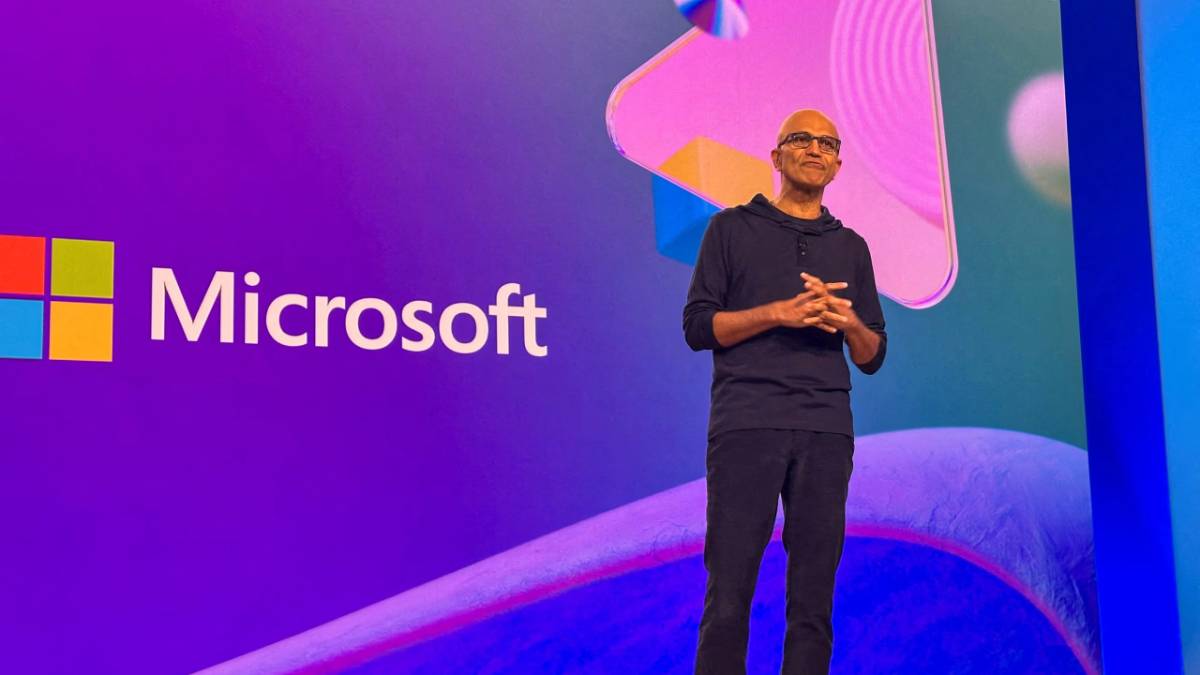
A major development unfolded as Microsoft’s most critical AI product encountered operational and adoption challenges, raising questions about execution at scale. The setback matters not only for Microsoft’s AI-led growth strategy but also for enterprises and governments increasingly dependent on large-scale AI platforms for productivity and competitiveness.
Microsoft’s flagship AI offering central to its vision of embedding generative intelligence across cloud, productivity, and enterprise software has reportedly faced performance, reliability, and integration hurdles. Customers have raised concerns around inconsistent outputs, rising costs, and operational complexity as deployments scale.
Internally, the product’s rapid rollout has strained engineering and support teams tasked with balancing innovation speed against enterprise-grade stability. Externally, corporate clients are reassessing deployment timelines, particularly for mission-critical workflows. The challenges emerge at a sensitive moment as Microsoft seeks to justify heavy AI investments while defending its competitive edge against rivals accelerating their own enterprise AI offerings.
The development aligns with a broader trend across global markets where AI ambition is colliding with enterprise reality. Over the past two years, Microsoft has positioned AI as the backbone of its next growth cycle, integrating generative capabilities across Office, Azure, and developer platforms.
This strategy mirrors earlier technology transitions, including cloud migration and SaaS adoption, where early enthusiasm often gave way to operational complexity. Historically, large platforms scaling too quickly have faced challenges around reliability, cost predictability, and customer trust.
Geopolitically, AI infrastructure is now viewed as strategic national capability, adding regulatory and reputational pressure on market leaders. Microsoft’s experience underscores a critical industry lesson: building powerful AI models is no longer enough successful execution now depends on resilience, governance, and seamless enterprise integration.
Industry analysts note that Microsoft’s challenges reflect growing pains rather than a strategic failure. Experts argue that the company’s aggressive AI roadmap has outpaced the maturity of enterprise adoption frameworks, particularly around cost controls and performance guarantees.
Technology strategists point out that enterprises expect AI tools to match the reliability of traditional software a standard generative systems are still evolving toward. Some analysts highlight that Microsoft’s deep integration strategy, while powerful, increases complexity when issues arise across interconnected products.
From an industry perspective, executives caution that AI leadership will increasingly be judged not by feature velocity but by uptime, predictability, and customer confidence. Microsoft has maintained that it remains committed to refining its AI platforms while continuing to invest heavily in infrastructure and safety.
For enterprises, the situation serves as a reminder to temper AI ambition with operational discipline. CIOs and CTOs may slow large-scale rollouts, prioritising pilot programs and stronger governance models.
Investors could scrutinise AI margins more closely as infrastructure costs and customer support demands rise. Policymakers, meanwhile, may view such challenges as evidence supporting tighter oversight of enterprise AI deployments, particularly in regulated sectors. For Microsoft’s competitors, the moment opens opportunities to differentiate on reliability, transparency, and enterprise readiness rather than raw AI capability.
Looking ahead, decision-makers will watch whether Microsoft can stabilise performance, improve cost predictability, and restore customer confidence. The next phase of enterprise AI adoption will reward platforms that deliver dependable outcomes at scale. The broader message is clear: AI leadership now hinges on execution, not experimentation.
Source & Date
Source: Global technology and enterprise market reporting
Date: February 2026


