
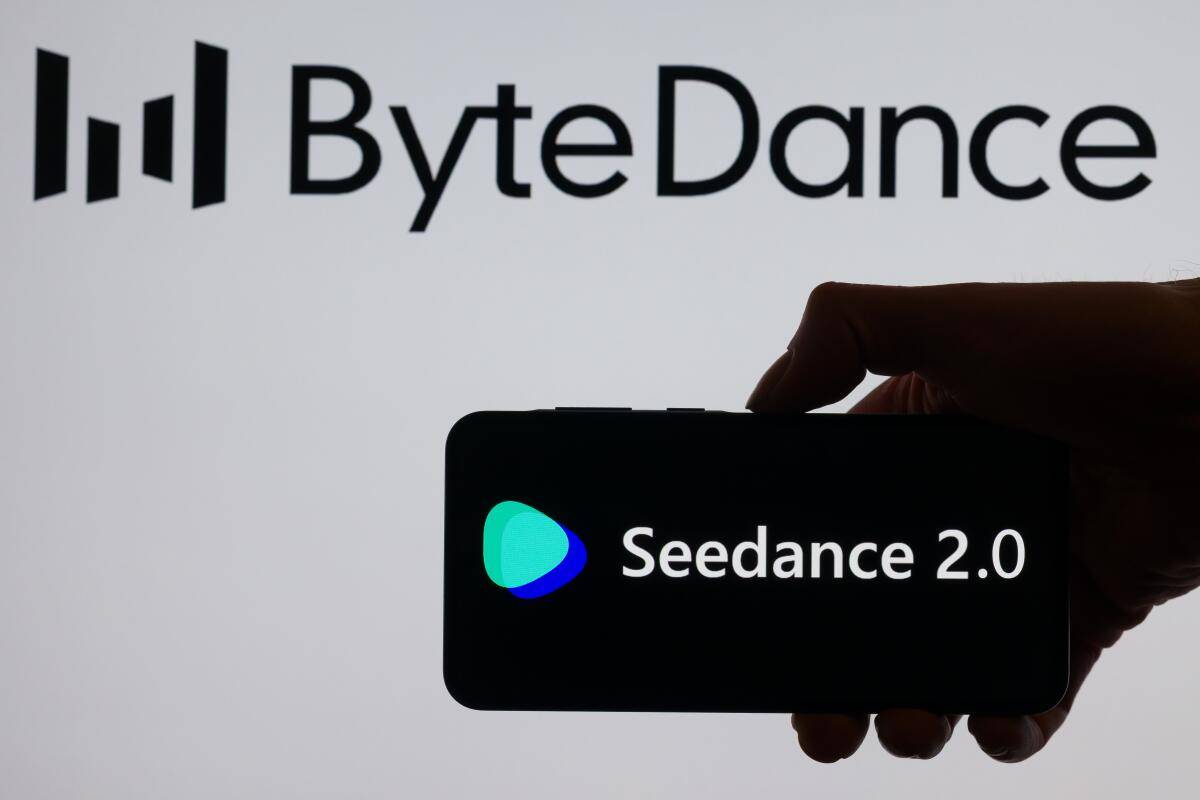
Hollywood Studios Escalate AI Clash With ByteDance Globally

Major Hollywood studios have publicly criticized ByteDance’s latest artificial intelligence platform, warning of potential legal action over concerns that proprietary film.

February 24, 2026
|

A major confrontation is unfolding in the global entertainment industry as Netflix and Warner Bros. join Disney and Paramount Global in challenging a new AI platform launched by ByteDance. The dispute centers on alleged misuse of copyrighted content, raising high stakes legal, economic, and geopolitical implications.

Major Hollywood studios have publicly criticized ByteDance’s latest artificial intelligence platform, warning of potential legal action over concerns that proprietary film and television content may have been used to train generative AI systems without authorization.

The coordinated response reflects rare alignment among competing studios. Executives argue that intellectual property protections must extend to AI training datasets.

The controversy emerges amid heightened scrutiny of Chinese technology firms operating in Western markets. With ByteDance already under regulatory examination in the United States, the dispute adds another layer of complexity to cross border digital governance.

Studios are signaling readiness to pursue litigation if licensing agreements or content safeguards are not addressed. The development aligns with a broader global struggle over how copyrighted material is used in training large AI models. Media companies, publishers, and music labels have increasingly pushed back against technology firms that scrape publicly available data without formal licensing agreements.

The entertainment industry has faced previous disruption from streaming and digital distribution platforms. Now, generative AI introduces a new frontier, capable of producing synthetic scripts, visuals, and voice replicas that may resemble existing intellectual property.

ByteDance, best known for operating TikTok, has expanded aggressively into AI development. This expansion intersects with ongoing geopolitical tensions between the United States and China over data security, market access, and technological sovereignty.

For corporate leaders, the clash highlights the convergence of copyright law, artificial intelligence, and global regulatory politics. Legal experts suggest that this confrontation could set precedent defining whether AI training constitutes fair use or copyright infringement. Courts may need to clarify how intellectual property laws apply to machine learning datasets.

Industry analysts argue that coordinated studio resistance strengthens bargaining leverage in negotiations over licensing frameworks. Collective action reduces fragmentation and signals seriousness to technology platforms.

Geopolitical analysts note that any legal escalation involving ByteDance could carry diplomatic ramifications, particularly given ongoing scrutiny of Chinese owned tech firms in Western markets.

Media executives emphasize that protecting creative assets is essential to sustaining long term investment in film and television production. They argue that unchecked AI usage risks undermining the economic foundation of content creation.

For global executives, the dispute underscores mounting legal risks associated with AI training practices. Companies deploying generative AI must reassess data sourcing strategies and compliance frameworks.

Investors should monitor potential litigation outcomes, as adverse rulings could reshape cost structures for AI developers and media licensing models. Entertainment stocks may respond to clarity around intellectual property enforcement.

Policymakers may face pressure to modernize copyright regulations to address AI specific challenges. Cross border regulatory coordination could intensify, particularly in sectors where digital sovereignty and content ownership intersect.

The case may define the rules of engagement between Silicon Valley innovation and Hollywood intellectual capital.

Attention will now focus on whether negotiations yield licensing agreements or escalate into formal lawsuits. Decision makers should watch for regulatory intervention, international trade implications, and potential settlements that establish industry standards.

As AI capabilities expand, the battle over creative ownership is becoming a defining contest in the global digital economy.

Source: Los Angeles Times
Date: February 18, 2026

  • Featured tools
Figstack AI
Free

Figstack AI is an intelligent assistant for developers that explains code, generates docstrings, converts code between languages, and analyzes time complexity helping you work smarter, not harder.

#
Coding
Learn more
Murf Ai
Free

Murf AI Review – Advanced AI Voice Generator for Realistic Voiceovers

#
Text to Speech
Learn more

Learn more about future of AI

Join 80,000+ Ai enthusiast getting weekly updates on exciting AI tools.
Thank you! Your submission has been received!
Oops! Something went wrong while submitting the form.

Hollywood Studios Escalate AI Clash With ByteDance Globally

February 24, 2026

Major Hollywood studios have publicly criticized ByteDance’s latest artificial intelligence platform, warning of potential legal action over concerns that proprietary film.

A major confrontation is unfolding in the global entertainment industry as Netflix and Warner Bros. join Disney and Paramount Global in challenging a new AI platform launched by ByteDance. The dispute centers on alleged misuse of copyrighted content, raising high stakes legal, economic, and geopolitical implications.

Major Hollywood studios have publicly criticized ByteDance’s latest artificial intelligence platform, warning of potential legal action over concerns that proprietary film and television content may have been used to train generative AI systems without authorization.

The coordinated response reflects rare alignment among competing studios. Executives argue that intellectual property protections must extend to AI training datasets.

The controversy emerges amid heightened scrutiny of Chinese technology firms operating in Western markets. With ByteDance already under regulatory examination in the United States, the dispute adds another layer of complexity to cross border digital governance.

Studios are signaling readiness to pursue litigation if licensing agreements or content safeguards are not addressed. The development aligns with a broader global struggle over how copyrighted material is used in training large AI models. Media companies, publishers, and music labels have increasingly pushed back against technology firms that scrape publicly available data without formal licensing agreements.

The entertainment industry has faced previous disruption from streaming and digital distribution platforms. Now, generative AI introduces a new frontier, capable of producing synthetic scripts, visuals, and voice replicas that may resemble existing intellectual property.

ByteDance, best known for operating TikTok, has expanded aggressively into AI development. This expansion intersects with ongoing geopolitical tensions between the United States and China over data security, market access, and technological sovereignty.

For corporate leaders, the clash highlights the convergence of copyright law, artificial intelligence, and global regulatory politics. Legal experts suggest that this confrontation could set precedent defining whether AI training constitutes fair use or copyright infringement. Courts may need to clarify how intellectual property laws apply to machine learning datasets.

Industry analysts argue that coordinated studio resistance strengthens bargaining leverage in negotiations over licensing frameworks. Collective action reduces fragmentation and signals seriousness to technology platforms.

Geopolitical analysts note that any legal escalation involving ByteDance could carry diplomatic ramifications, particularly given ongoing scrutiny of Chinese owned tech firms in Western markets.

Media executives emphasize that protecting creative assets is essential to sustaining long term investment in film and television production. They argue that unchecked AI usage risks undermining the economic foundation of content creation.

For global executives, the dispute underscores mounting legal risks associated with AI training practices. Companies deploying generative AI must reassess data sourcing strategies and compliance frameworks.

Investors should monitor potential litigation outcomes, as adverse rulings could reshape cost structures for AI developers and media licensing models. Entertainment stocks may respond to clarity around intellectual property enforcement.

Policymakers may face pressure to modernize copyright regulations to address AI specific challenges. Cross border regulatory coordination could intensify, particularly in sectors where digital sovereignty and content ownership intersect.

The case may define the rules of engagement between Silicon Valley innovation and Hollywood intellectual capital.

Attention will now focus on whether negotiations yield licensing agreements or escalate into formal lawsuits. Decision makers should watch for regulatory intervention, international trade implications, and potential settlements that establish industry standards.

As AI capabilities expand, the battle over creative ownership is becoming a defining contest in the global digital economy.

Source: Los Angeles Times
Date: February 18, 2026

Promote Your Tool

Copy Embed Code

Similar Blogs

February 24, 2026
|

Jamie Dimon Calms Markets, Downplays AI Disruption Risks

Dimon addressed concerns at a corporate briefing, emphasizing JPMorgan’s proactive adoption of AI for efficiency, compliance, and customer services.
Read more
February 24, 2026
|

Asian Markets Steady After Wall Street Rout in AI Exposed Stocks

Markets across Asia traded unevenly following a sharp US selloff in technology and legacy IT stocks exposed to AI disruption. Wall Street investors rotated out of companies perceived as vulnerable to automation.
Read more
February 24, 2026
|

Crypto Markets Slide as AI Jitters Trigger Sharp IBM Selloff

Cryptocurrency markets recorded deeper declines amid a broader tech-led selloff, reflecting risk-off sentiment among global investors. IBM shares plunged 11%, highlighting heightened sensitivity to earnings expectations.
Read more
February 24, 2026
|

Indian IT Stocks Extend Losses as AI Fears Trigger Global Repricing

Shares of major Indian IT services firms extended losses following global volatility in AI-linked equities.
Read more
February 24, 2026
|

AI Coding Platforms Threaten Freemium App Model Economics

Advances in generative AI coding assistants now allow users to create simple, task-specific applications through natural language prompts, reducing reliance on standalone freemium utilities.
Read more
February 24, 2026
|

AI Powered Body Scans Expand Across Health and Retail

AI-driven body scanning platforms are increasingly being deployed in gyms, wellness centers, medical clinics, and retail environments.
Read more