
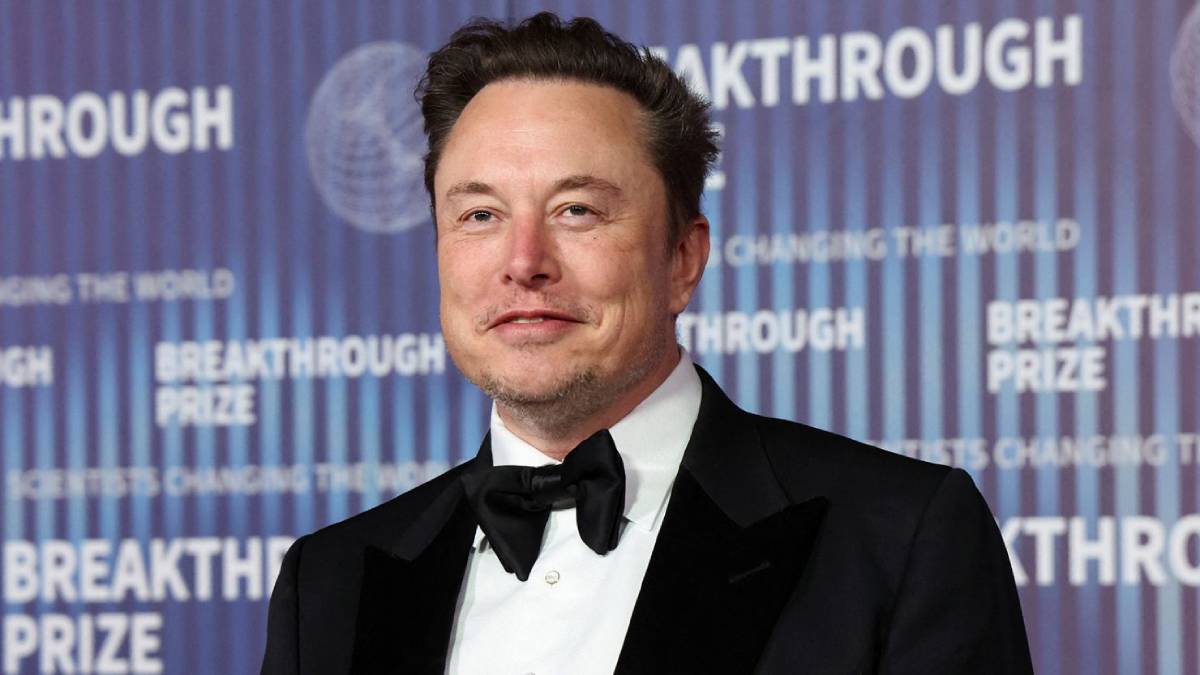
Elon Musk Unites SpaceX and xAI, Pioneering AI Synergies

The merger formally brings xAI’s team and intellectual property under SpaceX’s corporate umbrella, combining AI research with space systems engineering. Timelines indicate operational integration will begin immediately.

February 24, 2026
|

A major development unfolded today as Elon Musk announced the merger of SpaceX with his AI venture, xAI, creating a unique intersection of aerospace and artificial intelligence. The consolidation signals a strategic shift aimed at integrating advanced AI capabilities into space exploration technologies, with implications for investors, tech innovators, and regulators worldwide.

The merger formally brings xAI’s team and intellectual property under SpaceX’s corporate umbrella, combining AI research with space systems engineering. Timelines indicate operational integration will begin immediately, with joint projects expected within six months. Musk emphasized leveraging AI for spacecraft autonomy, satellite intelligence, and predictive analytics in orbital operations. Investors reacted positively, with SpaceX-related investment funds reporting early gains. Regulatory scrutiny is anticipated given the cross-sector nature of the deal. The merger positions SpaceX to explore new revenue streams, including AI-enhanced satellite services, autonomous space logistics, and defense-related applications, while expanding xAI’s market reach beyond standalone AI services.

The consolidation aligns with a broader global trend of AI infusion across traditional industries, particularly aerospace and defense. As private space ventures expand, the integration of AI offers opportunities for operational efficiency, predictive maintenance, and autonomous decision-making. Historically, Elon Musk has championed transformative technology synergies Tesla’s AI-driven automotive systems and SpaceX’s reusable rockets exemplify this strategy. This merger reflects increasing investor interest in cross-sector AI applications, where AI capabilities can enhance both commercial and strategic outcomes. Geopolitically, AI-enabled aerospace technologies carry dual-use considerations, potentially affecting international collaborations, defense policies, and regulatory frameworks. For CXOs, executives, and analysts, the move underscores the competitive imperative to adopt AI-driven solutions to maintain technological leadership in high-stakes, capital-intensive industries.

Industry analysts describe the merger as a “milestone in AI-enabled aerospace,” noting that combining xAI’s deep learning expertise with SpaceX’s operational scale could redefine space missions. Tech strategists suggest AI integration may enhance satellite constellation management, optimize rocket launches, and improve autonomous spacecraft navigation. Corporate insiders highlight that the deal could accelerate xAI’s development of generative AI systems tailored for high-risk, high-value applications. Regulatory and policy experts caution that cross-domain AI raises ethical, security, and compliance considerations, particularly in data handling and defense contracts. Musk stated that the synergy aims to create “intelligent, autonomous systems capable of extending humanity’s reach in space.” Analysts anticipate that other aerospace firms may pursue similar AI partnerships, potentially intensifying competition in both space exploration and AI development globally.

For businesses, the merger signals a new paradigm in AI-enabled operations, encouraging investment in AI-aerospace collaborations and autonomous technologies. Investors may reassess valuations of companies operating at the AI-space nexus, while competitors evaluate strategic partnerships. Governments and regulators face policy decisions regarding AI use in space systems, dual-use technologies, and satellite security. Consumers may indirectly benefit from innovations in satellite communications, navigation, and Earth observation services. Analysts warn that companies operating in AI and aerospace must prepare for heightened regulatory scrutiny, cross-border compliance challenges, and market volatility associated with transformational technological integrations.

Decision-makers should monitor the integration of AI capabilities into SpaceX operations, particularly satellite autonomy, launch efficiency, and AI-driven mission planning. Key indicators include regulatory approvals, project milestones, and investor sentiment. The pace of AI adoption in space technologies will shape competitive dynamics and strategic positioning across aerospace and tech sectors. Uncertainties remain in international regulation, data security, and operational execution, making proactive risk management and strategic foresight critical for stakeholders.

Source & Date

Source: The New York Times
Date: February 2, 2026

  • Featured tools
Upscayl AI
Free

Upscayl AI is a free, open-source AI-powered tool that enhances and upscales images to higher resolutions. It transforms blurry or low-quality visuals into sharp, detailed versions with ease.

#
Productivity
Learn more
Figstack AI
Free

Figstack AI is an intelligent assistant for developers that explains code, generates docstrings, converts code between languages, and analyzes time complexity helping you work smarter, not harder.

#
Coding
Learn more

Learn more about future of AI

Join 80,000+ Ai enthusiast getting weekly updates on exciting AI tools.
Thank you! Your submission has been received!
Oops! Something went wrong while submitting the form.

Elon Musk Unites SpaceX and xAI, Pioneering AI Synergies

February 24, 2026

The merger formally brings xAI’s team and intellectual property under SpaceX’s corporate umbrella, combining AI research with space systems engineering. Timelines indicate operational integration will begin immediately.

A major development unfolded today as Elon Musk announced the merger of SpaceX with his AI venture, xAI, creating a unique intersection of aerospace and artificial intelligence. The consolidation signals a strategic shift aimed at integrating advanced AI capabilities into space exploration technologies, with implications for investors, tech innovators, and regulators worldwide.

The merger formally brings xAI’s team and intellectual property under SpaceX’s corporate umbrella, combining AI research with space systems engineering. Timelines indicate operational integration will begin immediately, with joint projects expected within six months. Musk emphasized leveraging AI for spacecraft autonomy, satellite intelligence, and predictive analytics in orbital operations. Investors reacted positively, with SpaceX-related investment funds reporting early gains. Regulatory scrutiny is anticipated given the cross-sector nature of the deal. The merger positions SpaceX to explore new revenue streams, including AI-enhanced satellite services, autonomous space logistics, and defense-related applications, while expanding xAI’s market reach beyond standalone AI services.

The consolidation aligns with a broader global trend of AI infusion across traditional industries, particularly aerospace and defense. As private space ventures expand, the integration of AI offers opportunities for operational efficiency, predictive maintenance, and autonomous decision-making. Historically, Elon Musk has championed transformative technology synergies Tesla’s AI-driven automotive systems and SpaceX’s reusable rockets exemplify this strategy. This merger reflects increasing investor interest in cross-sector AI applications, where AI capabilities can enhance both commercial and strategic outcomes. Geopolitically, AI-enabled aerospace technologies carry dual-use considerations, potentially affecting international collaborations, defense policies, and regulatory frameworks. For CXOs, executives, and analysts, the move underscores the competitive imperative to adopt AI-driven solutions to maintain technological leadership in high-stakes, capital-intensive industries.

Industry analysts describe the merger as a “milestone in AI-enabled aerospace,” noting that combining xAI’s deep learning expertise with SpaceX’s operational scale could redefine space missions. Tech strategists suggest AI integration may enhance satellite constellation management, optimize rocket launches, and improve autonomous spacecraft navigation. Corporate insiders highlight that the deal could accelerate xAI’s development of generative AI systems tailored for high-risk, high-value applications. Regulatory and policy experts caution that cross-domain AI raises ethical, security, and compliance considerations, particularly in data handling and defense contracts. Musk stated that the synergy aims to create “intelligent, autonomous systems capable of extending humanity’s reach in space.” Analysts anticipate that other aerospace firms may pursue similar AI partnerships, potentially intensifying competition in both space exploration and AI development globally.

For businesses, the merger signals a new paradigm in AI-enabled operations, encouraging investment in AI-aerospace collaborations and autonomous technologies. Investors may reassess valuations of companies operating at the AI-space nexus, while competitors evaluate strategic partnerships. Governments and regulators face policy decisions regarding AI use in space systems, dual-use technologies, and satellite security. Consumers may indirectly benefit from innovations in satellite communications, navigation, and Earth observation services. Analysts warn that companies operating in AI and aerospace must prepare for heightened regulatory scrutiny, cross-border compliance challenges, and market volatility associated with transformational technological integrations.

Decision-makers should monitor the integration of AI capabilities into SpaceX operations, particularly satellite autonomy, launch efficiency, and AI-driven mission planning. Key indicators include regulatory approvals, project milestones, and investor sentiment. The pace of AI adoption in space technologies will shape competitive dynamics and strategic positioning across aerospace and tech sectors. Uncertainties remain in international regulation, data security, and operational execution, making proactive risk management and strategic foresight critical for stakeholders.

Source & Date

Source: The New York Times
Date: February 2, 2026

Promote Your Tool

Copy Embed Code

Similar Blogs

February 24, 2026
|

Jamie Dimon Calms Markets, Downplays AI Disruption Risks

Dimon addressed concerns at a corporate briefing, emphasizing JPMorgan’s proactive adoption of AI for efficiency, compliance, and customer services.
Read more
February 24, 2026
|

Asian Markets Steady After Wall Street Rout in AI Exposed Stocks

Markets across Asia traded unevenly following a sharp US selloff in technology and legacy IT stocks exposed to AI disruption. Wall Street investors rotated out of companies perceived as vulnerable to automation.
Read more
February 24, 2026
|

Crypto Markets Slide as AI Jitters Trigger Sharp IBM Selloff

Cryptocurrency markets recorded deeper declines amid a broader tech-led selloff, reflecting risk-off sentiment among global investors. IBM shares plunged 11%, highlighting heightened sensitivity to earnings expectations.
Read more
February 24, 2026
|

Indian IT Stocks Extend Losses as AI Fears Trigger Global Repricing

Shares of major Indian IT services firms extended losses following global volatility in AI-linked equities.
Read more
February 24, 2026
|

AI Coding Platforms Threaten Freemium App Model Economics

Advances in generative AI coding assistants now allow users to create simple, task-specific applications through natural language prompts, reducing reliance on standalone freemium utilities.
Read more
February 24, 2026
|

AI Powered Body Scans Expand Across Health and Retail

AI-driven body scanning platforms are increasingly being deployed in gyms, wellness centers, medical clinics, and retail environments.
Read more