
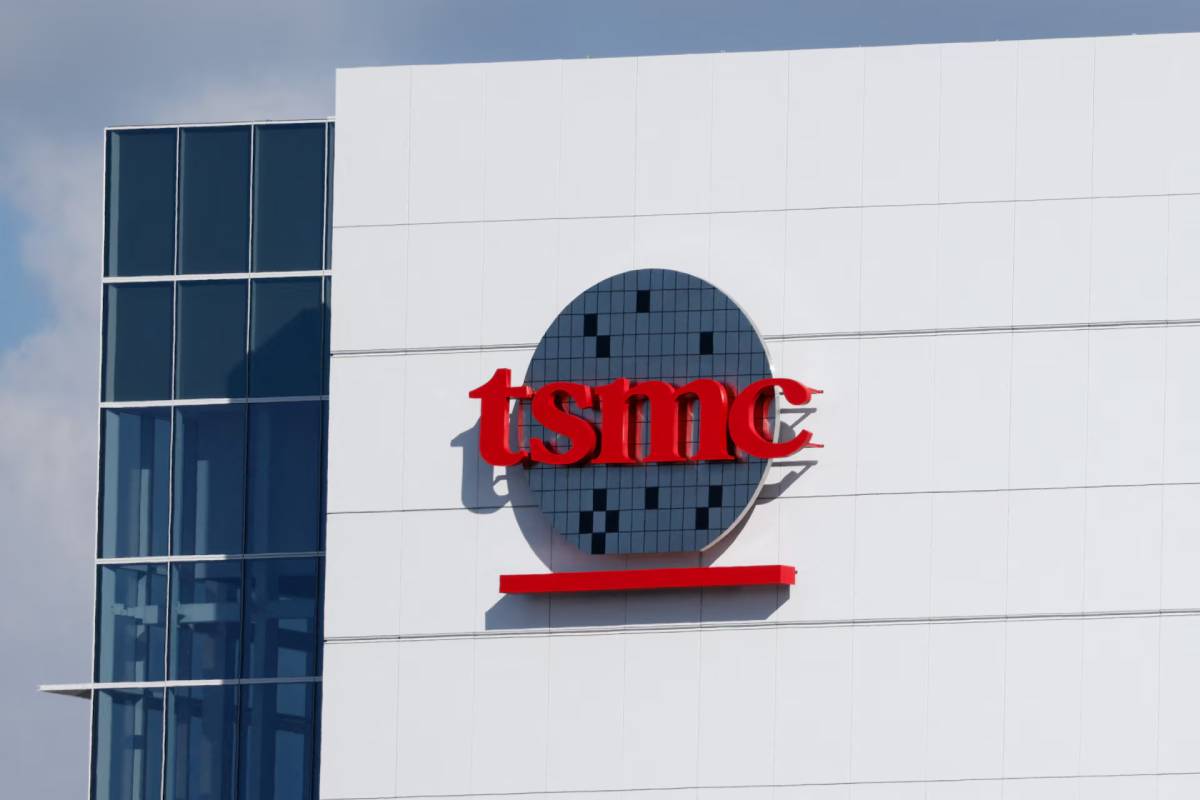
Analysts Forecast Breakout Year for Leading AI Stock in 2026

Market analysts have identified a major AI-focused company as a prime candidate to surpass its previous record valuation within the next 12 months.

February 24, 2026
|

A leading artificial intelligence stock is projected to reach a new all-time high by the end of 2026, underscoring Wall Street’s deepening conviction in the long-term AI growth cycle. The bullish outlook reflects accelerating enterprise adoption, robust earnings momentum, and sustained capital investment in next-generation AI infrastructure.

Market analysts have identified a major AI-focused company as a prime candidate to surpass its previous record valuation within the next 12 months. The forecast is anchored in three core drivers: expanding AI deployment across industries, rising demand for advanced computing infrastructure, and strong revenue visibility through 2026.

The company has benefited from heightened enterprise spending on generative AI, data centers, and automation tools. Institutional investors have steadily increased exposure, betting on continued earnings expansion. With AI budgets now embedded in corporate capital allocation strategies, the stock’s trajectory reflects broader structural shifts rather than short-term speculative enthusiasm.

The projection comes amid an unprecedented surge in AI investment worldwide. Over the past two years, global corporations and governments have accelerated AI adoption across sectors ranging from healthcare and finance to defense and manufacturing. Capital expenditure in AI infrastructure particularly high-performance chips, cloud platforms, and data ecosystems has reached historic highs.

Equity markets have rewarded companies positioned at the core of this transformation. AI-linked stocks have outperformed broader indices, driven by strong earnings growth and forward guidance tied to multi-year enterprise contracts. Meanwhile, geopolitical competition particularly between the United States and China has intensified strategic investments in semiconductor deign, cloud computing, and AI research.

The development aligns with a broader trend across global markets where AI is transitioning from experimental deployment to mission-critical infrastructure, reshaping corporate valuation models and investor expectations.

Market strategists argue that the company’s competitive moat built on technological leadership, scale advantages, and ecosystem integration positions it for sustained outperformance. Analysts note that recurring revenue streams from enterprise clients provide greater earnings visibility compared to earlier phases of AI hype cycles.

Industry observers emphasize that AI monetization is now moving beyond proof-of-concept. Corporate leaders across sectors are embedding AI tools into core workflows, boosting productivity and operational efficiency. Portfolio managers suggest that institutional capital flows reflect long-term confidence rather than speculative trading momentum.

While valuation multiples remain elevated, experts contend that earnings growth may justify premium pricing if adoption trends continue at their current pace. Risk factors cited include regulatory scrutiny, supply chain constraints, and potential macroeconomic slowdowns.

For global executives, the rally signals that AI investment is no longer optional it is a competitive imperative. Companies lagging in digital transformation risk strategic disadvantage as peers integrate AI-driven analytics, automation, and decision intelligence.

Investors may increasingly concentrate portfolios around AI infrastructure leaders, reinforcing market dominance for top-tier firms. Policymakers, meanwhile, face mounting pressure to balance innovation incentives with regulatory safeguards, particularly around data governance and national security.

The projected record high reflects not just investor optimism, but structural capital reallocation toward AI-enabled business models across advanced economies.

As 2026 unfolds, decision-makers will closely monitor earnings guidance, enterprise AI spending trends, and global semiconductor supply dynamics. Regulatory developments and geopolitical tensions could introduce volatility, but the long-term trajectory appears anchored in sustained digital transformation.

If adoption momentum holds, the anticipated record high may mark not a peak but the next phase in AI’s structural ascent.

Source: The Motley Fool
Date: February 11, 2026

  • Featured tools
Murf Ai
Free

Murf AI Review – Advanced AI Voice Generator for Realistic Voiceovers

#
Text to Speech
Learn more
Upscayl AI
Free

Upscayl AI is a free, open-source AI-powered tool that enhances and upscales images to higher resolutions. It transforms blurry or low-quality visuals into sharp, detailed versions with ease.

#
Productivity
Learn more

Learn more about future of AI

Join 80,000+ Ai enthusiast getting weekly updates on exciting AI tools.
Thank you! Your submission has been received!
Oops! Something went wrong while submitting the form.

Analysts Forecast Breakout Year for Leading AI Stock in 2026

February 24, 2026

Market analysts have identified a major AI-focused company as a prime candidate to surpass its previous record valuation within the next 12 months.

A leading artificial intelligence stock is projected to reach a new all-time high by the end of 2026, underscoring Wall Street’s deepening conviction in the long-term AI growth cycle. The bullish outlook reflects accelerating enterprise adoption, robust earnings momentum, and sustained capital investment in next-generation AI infrastructure.

Market analysts have identified a major AI-focused company as a prime candidate to surpass its previous record valuation within the next 12 months. The forecast is anchored in three core drivers: expanding AI deployment across industries, rising demand for advanced computing infrastructure, and strong revenue visibility through 2026.

The company has benefited from heightened enterprise spending on generative AI, data centers, and automation tools. Institutional investors have steadily increased exposure, betting on continued earnings expansion. With AI budgets now embedded in corporate capital allocation strategies, the stock’s trajectory reflects broader structural shifts rather than short-term speculative enthusiasm.

The projection comes amid an unprecedented surge in AI investment worldwide. Over the past two years, global corporations and governments have accelerated AI adoption across sectors ranging from healthcare and finance to defense and manufacturing. Capital expenditure in AI infrastructure particularly high-performance chips, cloud platforms, and data ecosystems has reached historic highs.

Equity markets have rewarded companies positioned at the core of this transformation. AI-linked stocks have outperformed broader indices, driven by strong earnings growth and forward guidance tied to multi-year enterprise contracts. Meanwhile, geopolitical competition particularly between the United States and China has intensified strategic investments in semiconductor deign, cloud computing, and AI research.

The development aligns with a broader trend across global markets where AI is transitioning from experimental deployment to mission-critical infrastructure, reshaping corporate valuation models and investor expectations.

Market strategists argue that the company’s competitive moat built on technological leadership, scale advantages, and ecosystem integration positions it for sustained outperformance. Analysts note that recurring revenue streams from enterprise clients provide greater earnings visibility compared to earlier phases of AI hype cycles.

Industry observers emphasize that AI monetization is now moving beyond proof-of-concept. Corporate leaders across sectors are embedding AI tools into core workflows, boosting productivity and operational efficiency. Portfolio managers suggest that institutional capital flows reflect long-term confidence rather than speculative trading momentum.

While valuation multiples remain elevated, experts contend that earnings growth may justify premium pricing if adoption trends continue at their current pace. Risk factors cited include regulatory scrutiny, supply chain constraints, and potential macroeconomic slowdowns.

For global executives, the rally signals that AI investment is no longer optional it is a competitive imperative. Companies lagging in digital transformation risk strategic disadvantage as peers integrate AI-driven analytics, automation, and decision intelligence.

Investors may increasingly concentrate portfolios around AI infrastructure leaders, reinforcing market dominance for top-tier firms. Policymakers, meanwhile, face mounting pressure to balance innovation incentives with regulatory safeguards, particularly around data governance and national security.

The projected record high reflects not just investor optimism, but structural capital reallocation toward AI-enabled business models across advanced economies.

As 2026 unfolds, decision-makers will closely monitor earnings guidance, enterprise AI spending trends, and global semiconductor supply dynamics. Regulatory developments and geopolitical tensions could introduce volatility, but the long-term trajectory appears anchored in sustained digital transformation.

If adoption momentum holds, the anticipated record high may mark not a peak but the next phase in AI’s structural ascent.

Source: The Motley Fool
Date: February 11, 2026

Promote Your Tool

Copy Embed Code

Similar Blogs

February 24, 2026
|

Jamie Dimon Calms Markets, Downplays AI Disruption Risks

Dimon addressed concerns at a corporate briefing, emphasizing JPMorgan’s proactive adoption of AI for efficiency, compliance, and customer services.
Read more
February 24, 2026
|

Asian Markets Steady After Wall Street Rout in AI Exposed Stocks

Markets across Asia traded unevenly following a sharp US selloff in technology and legacy IT stocks exposed to AI disruption. Wall Street investors rotated out of companies perceived as vulnerable to automation.
Read more
February 24, 2026
|

Crypto Markets Slide as AI Jitters Trigger Sharp IBM Selloff

Cryptocurrency markets recorded deeper declines amid a broader tech-led selloff, reflecting risk-off sentiment among global investors. IBM shares plunged 11%, highlighting heightened sensitivity to earnings expectations.
Read more
February 24, 2026
|

Indian IT Stocks Extend Losses as AI Fears Trigger Global Repricing

Shares of major Indian IT services firms extended losses following global volatility in AI-linked equities.
Read more
February 24, 2026
|

AI Coding Platforms Threaten Freemium App Model Economics

Advances in generative AI coding assistants now allow users to create simple, task-specific applications through natural language prompts, reducing reliance on standalone freemium utilities.
Read more
February 24, 2026
|

AI Powered Body Scans Expand Across Health and Retail

AI-driven body scanning platforms are increasingly being deployed in gyms, wellness centers, medical clinics, and retail environments.
Read more