



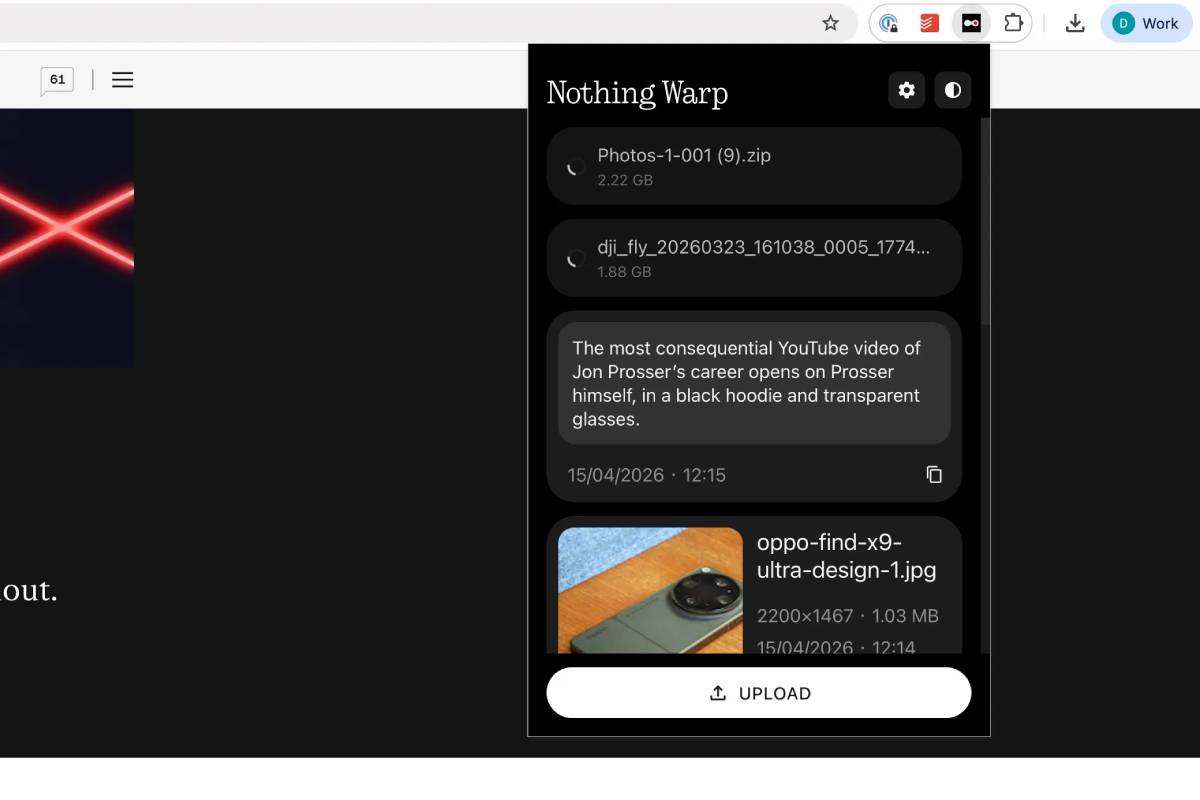
A major development unfolded as Nothing highlighted persistent barriers in file sharing between Android devices and macOS systems, underscoring the lack of seamless interoperability across ecosystems. The issue reinforces ongoing fragmentation in consumer tech platforms, with implications for productivity, user experience, and competitive positioning among major operating system providers.
Nothing showcased a workflow challenge where transferring files between Android smartphones and Mac computers remains fragmented and dependent on third-party tools or manual processes. The demonstration underscores gaps in native interoperability between major platforms.
The company positioned this friction as a usability concern for cross-device users, particularly professionals who operate across mixed ecosystems. While Apple offers tightly integrated file-sharing within its ecosystem, Android-to-Mac workflows remain inconsistent.
The discussion arrives as hardware and software companies increasingly compete on ecosystem stickiness, where seamless continuity between devices is a core differentiator influencing user retention and productivity.
Cross-platform incompatibility has been a long-standing issue in consumer technology, particularly between Apple’s closed ecosystem and Android’s open-device environment. While Apple devices benefit from tightly integrated tools like AirDrop and iCloud-based continuity features, Android users often rely on third-party apps, cloud services, or USB transfers when interacting with macOS systems.
The broader industry trend has shifted toward ecosystem consolidation, where companies aim to lock users into unified hardware-software experiences. This creates efficiency within ecosystems but increases friction between competing platforms.
Nothing’s demonstration reflects a growing narrative among device makers that interoperability has not kept pace with modern multi-device usage patterns. As users increasingly operate across mixed environments Android phones paired with Macs or Windows PCs the demand for universal, frictionless file transfer solutions continues to rise.
Industry analysts note that cross-platform friction remains one of the most under-addressed usability gaps in consumer technology. While cloud storage and messaging apps provide partial solutions, they do not replicate native, low-latency device-to-device transfer experiences.
Technology strategists suggest that companies like Nothing are highlighting this issue to differentiate themselves in a crowded hardware market dominated by ecosystem giants. The discussion also reflects broader concerns about interoperability standards in the absence of industry-wide protocols for seamless file exchange.
Experts further argue that this fragmentation benefits platform owners strategically, as reduced interoperability increases user dependency within a single ecosystem. However, it may also create long-term pressure from regulators and enterprise buyers seeking more open and efficient cross-device workflows.
For consumers and enterprises, persistent interoperability gaps increase operational friction, particularly in hybrid device environments where employees use mixed operating systems. This can reduce productivity and increase reliance on third-party software ecosystems.
For platform providers, the issue reinforces ecosystem competition as a strategic moat, where seamless internal integration becomes a key selling point. However, it may also expose companies to scrutiny over potential anti-competitive behavior if interoperability barriers are seen as artificially restrictive.
Policy discussions may gradually shift toward digital interoperability standards, particularly in regions prioritizing fair competition and user mobility across platforms. Expect continued pressure on major operating system providers to improve cross-platform compatibility, either through native tools or standardized protocols. While ecosystem lock-in will remain a core strategy, user expectations around seamless device interaction are rising. Future developments may depend on whether industry leaders collaborate on interoperability frameworks or further deepen ecosystem-specific integrations.
Source: The Verge
Date: April 16, 2026


