
Smartphones Advance in Optical Zoom Era

The latest hands-on analysis of advanced smartphone camera systems underscores increasing emphasis on telephoto optics as a core feature rather than a premium add-on.

April 16, 2026
|
Image Source: The Verge

A major development unfolded as industry discussions around smartphone camera design intensified, with growing consensus that telephoto lenses should become standard across mobile devices. The shift highlights evolving consumer expectations in mobile photography and signals a broader race among manufacturers to enhance optical imaging capabilities as a key differentiator.

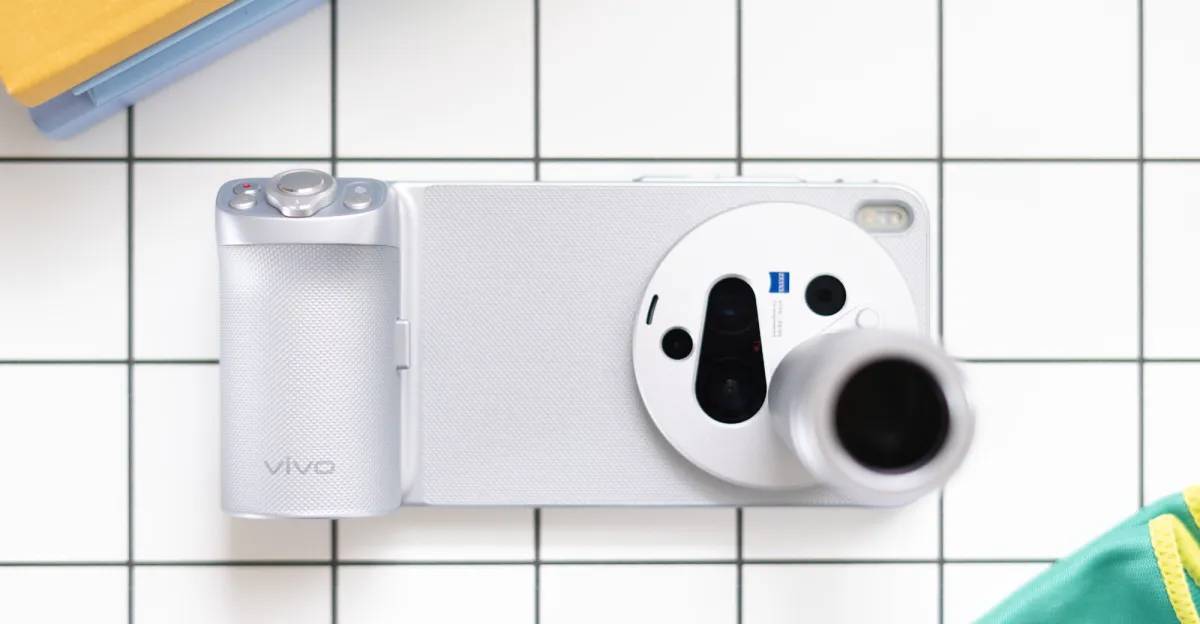
The latest hands-on analysis of advanced smartphone camera systems underscores increasing emphasis on telephoto optics as a core feature rather than a premium add-on. Manufacturers are experimenting with modular camera kits and multi-lens configurations to improve zoom quality and image clarity.

The discussion reflects how flagship devices are increasingly benchmarked on photography performance, particularly in zoom and low-light conditions. Companies such as Vivo and other leading Android OEMs are pushing advanced imaging systems, while competitors continue to refine computational photography alongside hardware upgrades. The trend signals a convergence between hardware optics and AI-enhanced image processing.

Smartphone photography has undergone a significant transformation over the past decade, shifting from single-lens systems to complex multi-camera arrays. Telephoto lenses, once limited to premium flagship models, are increasingly being positioned as essential components of modern mobile imaging.

This evolution is driven by consumer demand for professional-grade photography in compact devices, particularly as social media, content creation, and mobile journalism continue to expand globally. Manufacturers are also competing on computational photography, where software enhances or simulates optical effects.

The push for telephoto standardization reflects a broader industry trend: differentiation in smartphones is increasingly defined by camera systems rather than processing power alone. As hardware innovation matures, imaging capabilities have become one of the most important competitive battlegrounds in consumer electronics.

Industry analysts suggest that telephoto integration is becoming a baseline expectation for premium smartphones, rather than a luxury feature. As sensor technology improves and module sizes shrink, manufacturers have greater flexibility to include multiple focal lengths without significantly increasing device thickness.

Photography experts highlight that optical zoom remains superior to digital cropping, particularly for professional and semi-professional use cases. This has led to renewed interest in hybrid systems that combine optical telephoto lenses with AI-driven image enhancement.

Market observers also note that camera performance is now one of the strongest drivers of upgrade cycles in the smartphone industry. As competition intensifies, manufacturers are expected to continue investing heavily in imaging innovation to differentiate their devices in a saturated market.

For smartphone manufacturers, the shift toward telephoto standardization increases hardware complexity and production costs but also creates opportunities for premium pricing strategies and brand differentiation.

For consumers, improved optical zoom capabilities enhance content creation, mobile photography, and professional use cases, reducing reliance on dedicated cameras.

For the broader market, camera innovation continues to drive flagship competition, influencing purchasing decisions more than incremental performance gains in processors or battery life. This may further consolidate market leadership among companies with strong imaging R&D capabilities.

The smartphone industry is expected to continue converging on multi-lens, AI-enhanced camera systems, with telephoto integration becoming increasingly standard in mid-to-high-tier devices. Future innovation will likely focus on sensor miniaturization, periscope zoom improvements, and computational photography. The next competitive phase will center on delivering DSLR-like quality within increasingly compact mobile form factors.

Source: The Verge
Date: April 16, 2026

  • Featured tools
Writesonic AI
Free

Writesonic AI is a versatile AI writing platform designed for marketers, entrepreneurs, and content creators. It helps users create blog posts, ad copies, product descriptions, social media posts, and more with ease. With advanced AI models and user-friendly tools, Writesonic streamlines content production and saves time for busy professionals.

#
Copywriting
Learn more
Upscayl AI
Free

Upscayl AI is a free, open-source AI-powered tool that enhances and upscales images to higher resolutions. It transforms blurry or low-quality visuals into sharp, detailed versions with ease.

#
Productivity
Learn more

Learn more about future of AI

Join 80,000+ Ai enthusiast getting weekly updates on exciting AI tools.
Thank you! Your submission has been received!
Oops! Something went wrong while submitting the form.

Smartphones Advance in Optical Zoom Era

April 16, 2026

The latest hands-on analysis of advanced smartphone camera systems underscores increasing emphasis on telephoto optics as a core feature rather than a premium add-on.

Image Source: The Verge

A major development unfolded as industry discussions around smartphone camera design intensified, with growing consensus that telephoto lenses should become standard across mobile devices. The shift highlights evolving consumer expectations in mobile photography and signals a broader race among manufacturers to enhance optical imaging capabilities as a key differentiator.

The latest hands-on analysis of advanced smartphone camera systems underscores increasing emphasis on telephoto optics as a core feature rather than a premium add-on. Manufacturers are experimenting with modular camera kits and multi-lens configurations to improve zoom quality and image clarity.

The discussion reflects how flagship devices are increasingly benchmarked on photography performance, particularly in zoom and low-light conditions. Companies such as Vivo and other leading Android OEMs are pushing advanced imaging systems, while competitors continue to refine computational photography alongside hardware upgrades. The trend signals a convergence between hardware optics and AI-enhanced image processing.

Smartphone photography has undergone a significant transformation over the past decade, shifting from single-lens systems to complex multi-camera arrays. Telephoto lenses, once limited to premium flagship models, are increasingly being positioned as essential components of modern mobile imaging.

This evolution is driven by consumer demand for professional-grade photography in compact devices, particularly as social media, content creation, and mobile journalism continue to expand globally. Manufacturers are also competing on computational photography, where software enhances or simulates optical effects.

The push for telephoto standardization reflects a broader industry trend: differentiation in smartphones is increasingly defined by camera systems rather than processing power alone. As hardware innovation matures, imaging capabilities have become one of the most important competitive battlegrounds in consumer electronics.

Industry analysts suggest that telephoto integration is becoming a baseline expectation for premium smartphones, rather than a luxury feature. As sensor technology improves and module sizes shrink, manufacturers have greater flexibility to include multiple focal lengths without significantly increasing device thickness.

Photography experts highlight that optical zoom remains superior to digital cropping, particularly for professional and semi-professional use cases. This has led to renewed interest in hybrid systems that combine optical telephoto lenses with AI-driven image enhancement.

Market observers also note that camera performance is now one of the strongest drivers of upgrade cycles in the smartphone industry. As competition intensifies, manufacturers are expected to continue investing heavily in imaging innovation to differentiate their devices in a saturated market.

For smartphone manufacturers, the shift toward telephoto standardization increases hardware complexity and production costs but also creates opportunities for premium pricing strategies and brand differentiation.

For consumers, improved optical zoom capabilities enhance content creation, mobile photography, and professional use cases, reducing reliance on dedicated cameras.

For the broader market, camera innovation continues to drive flagship competition, influencing purchasing decisions more than incremental performance gains in processors or battery life. This may further consolidate market leadership among companies with strong imaging R&D capabilities.

The smartphone industry is expected to continue converging on multi-lens, AI-enhanced camera systems, with telephoto integration becoming increasingly standard in mid-to-high-tier devices. Future innovation will likely focus on sensor miniaturization, periscope zoom improvements, and computational photography. The next competitive phase will center on delivering DSLR-like quality within increasingly compact mobile form factors.

Source: The Verge
Date: April 16, 2026

Promote Your Tool

Copy Embed Code

Similar Blogs

April 16, 2026
|

Windows Backup Tools Gain Cyber Focus

Windows provides two primary built-in tools for data backup: File History and Windows Backup. File History enables continuous backup of personal files such as documents.
Read more
April 16, 2026
|

Grubby AI Humanization Tools Enter Authenticity Debate

Grubby AI positions itself as an undetectable AI humanizer, designed to transform machine-generated text into outputs that evade AI detection systems.
Read more
April 16, 2026
|

Gladstone AI Targets Enterprise AI Systems

Gladstone AI operates as an AI-focused entity positioning its technology around applied intelligence solutions rather than general-purpose consumer tools.
Read more
April 16, 2026
|

YouTube Adds Shorts Removal Option

YouTube has rolled out a feature enabling users to reduce or eliminate Shorts content from their viewing feed, offering greater customization of the platform experience.
Read more
April 16, 2026
|

Smartphones Advance in Optical Zoom Era

The latest hands-on analysis of advanced smartphone camera systems underscores increasing emphasis on telephoto optics as a core feature rather than a premium add-on.
Read more
April 16, 2026
|

Google Expands Windows Desktop Search

Google has rolled out its desktop search application for Windows to a broader user base, enabling quick access to apps, files, web results, and AI-powered suggestions through a unified search interface.
Read more