
Microsoft Escalates Student PC Push

Microsoft has introduced a set of student-focused incentives that include free software access, cloud services, and productivity tools aimed at increasing adoption of its ecosystem.

April 16, 2026
|
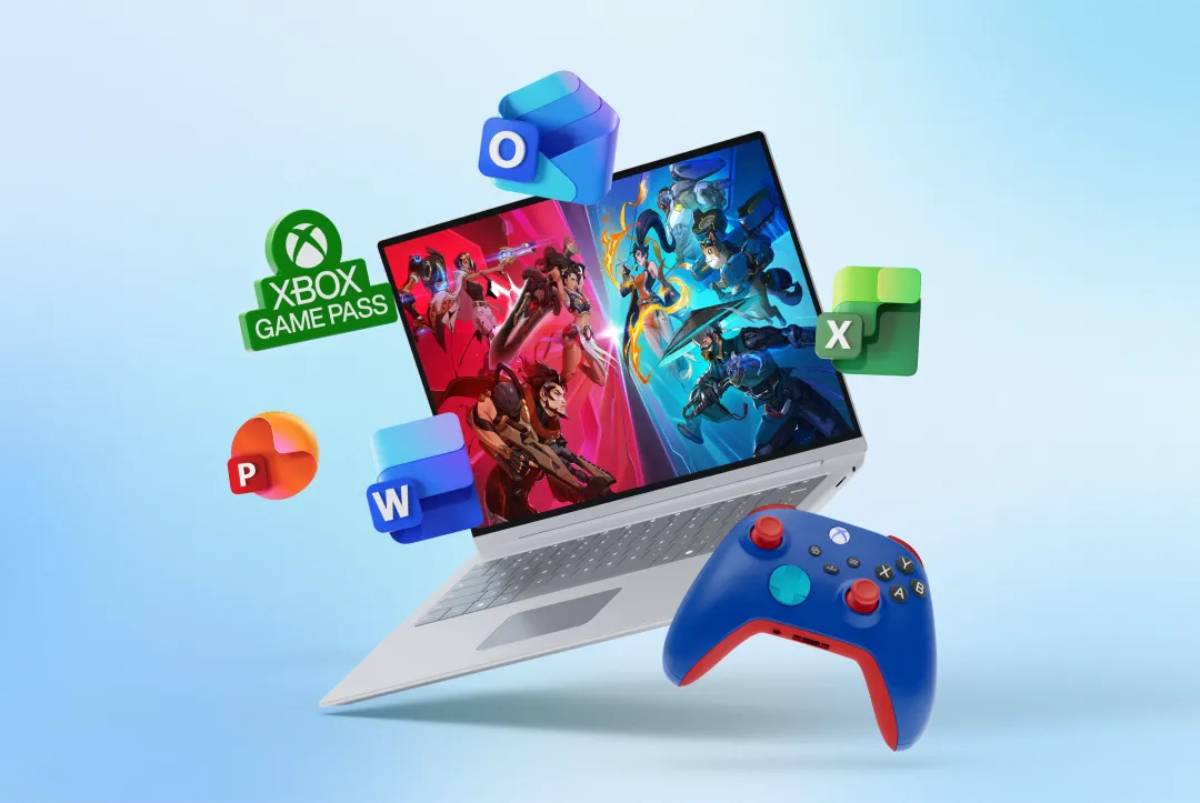
Image Source: Microsoft

A major development unfolded in the personal computing market as Microsoft rolled out a targeted incentive strategy offering free tools and services to students. The move is widely seen as a competitive response to Apple’s expanding presence in the education device segment, signaling an intensifying battle for long-term ecosystem dominance among younger users globally.

Microsoft has introduced a set of student-focused incentives that include free software access, cloud services, and productivity tools aimed at increasing adoption of its ecosystem. The initiative is positioned as a strategic counter to Apple’s growing influence in the education hardware market, particularly as new MacBook models gain traction among students.

The program focuses on embedding Microsoft’s services early in academic workflows, ensuring long-term user retention. Key offerings include AI-enhanced productivity tools and collaboration platforms. The timing aligns with back-to-school procurement cycles and institutional purchasing decisions, where platform lock-in plays a critical role in long-term market share expansion.

The education technology segment has become a critical battleground for major tech companies seeking to lock in future enterprise and consumer users. Historically, Microsoft has dominated productivity software in institutional settings, while Apple has strengthened its position in premium education hardware.

The emergence of AI-integrated computing devices has intensified competition, as both ecosystems now extend beyond hardware into software, cloud, and AI-driven productivity tools. Apple’s recent momentum in laptops targeting students has challenged Microsoft’s traditional software-first dominance.

In response, Microsoft is reinforcing its ecosystem strategy by offering incentives that reduce adoption barriers and deepen integration into academic workflows. This reflects a broader industry trend where platform companies compete not only on devices or software, but on end-to-end digital learning environments.

Industry analysts view Microsoft’s strategy as a long-term customer acquisition play, designed to build loyalty among students who will transition into enterprise users over time. By embedding its tools early in education, Microsoft strengthens its position in future workplace ecosystems.

Experts note that such strategies are increasingly critical as AI-native productivity tools reshape expectations around learning and work. However, analysts also caution that aggressive incentive-based competition could increase dependency on platform ecosystems, raising concerns around market concentration.

From a competitive standpoint, observers highlight that Apple and Microsoft are now engaged in a broader ecosystem war, where hardware, software, and AI capabilities are tightly interlinked in shaping user preference and long-term retention.

For businesses, the move signals intensified competition in the education and productivity software markets, with long-term implications for enterprise software dominance. Companies operating in SaaS and cloud services may face increased pressure to offer bundled ecosystem incentives.

For investors, the strategy reinforces the importance of ecosystem-driven revenue models rather than standalone product sales.

For policymakers, the increasing concentration of digital education tools within a few major platforms raises questions about interoperability, data privacy, and fair competition. As AI tools become embedded in learning environments, regulatory scrutiny may expand around how student data is collected and utilized.

The student-focused incentive strategy is expected to expand as Microsoft continues aligning its ecosystem with AI-powered productivity tools. Apple is likely to respond through deeper integration of its hardware-software experience in education markets. The key uncertainty lies in whether ecosystem incentives or hardware innovation will ultimately determine long-term dominance in the education computing space, particularly as AI reshapes learning workflows.

Source: The Verge
Date: April 16, 2026

  • Featured tools
Surfer AI
Free

Surfer AI is an AI-powered content creation assistant built into the Surfer SEO platform, designed to generate SEO-optimized articles from prompts, leveraging data from search results to inform tone, structure, and relevance.

#
SEO
Learn more
Copy Ai
Free

Copy AI is one of the most popular AI writing tools designed to help professionals create high-quality content quickly. Whether you are a product manager drafting feature descriptions or a marketer creating ad copy, Copy AI can save hours of work while maintaining creativity and tone.

#
Copywriting
Learn more

Learn more about future of AI

Join 80,000+ Ai enthusiast getting weekly updates on exciting AI tools.
Thank you! Your submission has been received!
Oops! Something went wrong while submitting the form.

Microsoft Escalates Student PC Push

April 16, 2026

Microsoft has introduced a set of student-focused incentives that include free software access, cloud services, and productivity tools aimed at increasing adoption of its ecosystem.

Image Source: Microsoft

A major development unfolded in the personal computing market as Microsoft rolled out a targeted incentive strategy offering free tools and services to students. The move is widely seen as a competitive response to Apple’s expanding presence in the education device segment, signaling an intensifying battle for long-term ecosystem dominance among younger users globally.

Microsoft has introduced a set of student-focused incentives that include free software access, cloud services, and productivity tools aimed at increasing adoption of its ecosystem. The initiative is positioned as a strategic counter to Apple’s growing influence in the education hardware market, particularly as new MacBook models gain traction among students.

The program focuses on embedding Microsoft’s services early in academic workflows, ensuring long-term user retention. Key offerings include AI-enhanced productivity tools and collaboration platforms. The timing aligns with back-to-school procurement cycles and institutional purchasing decisions, where platform lock-in plays a critical role in long-term market share expansion.

The education technology segment has become a critical battleground for major tech companies seeking to lock in future enterprise and consumer users. Historically, Microsoft has dominated productivity software in institutional settings, while Apple has strengthened its position in premium education hardware.

The emergence of AI-integrated computing devices has intensified competition, as both ecosystems now extend beyond hardware into software, cloud, and AI-driven productivity tools. Apple’s recent momentum in laptops targeting students has challenged Microsoft’s traditional software-first dominance.

In response, Microsoft is reinforcing its ecosystem strategy by offering incentives that reduce adoption barriers and deepen integration into academic workflows. This reflects a broader industry trend where platform companies compete not only on devices or software, but on end-to-end digital learning environments.

Industry analysts view Microsoft’s strategy as a long-term customer acquisition play, designed to build loyalty among students who will transition into enterprise users over time. By embedding its tools early in education, Microsoft strengthens its position in future workplace ecosystems.

Experts note that such strategies are increasingly critical as AI-native productivity tools reshape expectations around learning and work. However, analysts also caution that aggressive incentive-based competition could increase dependency on platform ecosystems, raising concerns around market concentration.

From a competitive standpoint, observers highlight that Apple and Microsoft are now engaged in a broader ecosystem war, where hardware, software, and AI capabilities are tightly interlinked in shaping user preference and long-term retention.

For businesses, the move signals intensified competition in the education and productivity software markets, with long-term implications for enterprise software dominance. Companies operating in SaaS and cloud services may face increased pressure to offer bundled ecosystem incentives.

For investors, the strategy reinforces the importance of ecosystem-driven revenue models rather than standalone product sales.

For policymakers, the increasing concentration of digital education tools within a few major platforms raises questions about interoperability, data privacy, and fair competition. As AI tools become embedded in learning environments, regulatory scrutiny may expand around how student data is collected and utilized.

The student-focused incentive strategy is expected to expand as Microsoft continues aligning its ecosystem with AI-powered productivity tools. Apple is likely to respond through deeper integration of its hardware-software experience in education markets. The key uncertainty lies in whether ecosystem incentives or hardware innovation will ultimately determine long-term dominance in the education computing space, particularly as AI reshapes learning workflows.

Source: The Verge
Date: April 16, 2026

Promote Your Tool

Copy Embed Code

Similar Blogs

April 16, 2026
|

Windows Backup Tools Gain Cyber Focus

Windows provides two primary built-in tools for data backup: File History and Windows Backup. File History enables continuous backup of personal files such as documents.
Read more
April 16, 2026
|

Grubby AI Humanization Tools Enter Authenticity Debate

Grubby AI positions itself as an undetectable AI humanizer, designed to transform machine-generated text into outputs that evade AI detection systems.
Read more
April 16, 2026
|

Gladstone AI Targets Enterprise AI Systems

Gladstone AI operates as an AI-focused entity positioning its technology around applied intelligence solutions rather than general-purpose consumer tools.
Read more
April 16, 2026
|

YouTube Adds Shorts Removal Option

YouTube has rolled out a feature enabling users to reduce or eliminate Shorts content from their viewing feed, offering greater customization of the platform experience.
Read more
April 16, 2026
|

Smartphones Advance in Optical Zoom Era

The latest hands-on analysis of advanced smartphone camera systems underscores increasing emphasis on telephoto optics as a core feature rather than a premium add-on.
Read more
April 16, 2026
|

Google Expands Windows Desktop Search

Google has rolled out its desktop search application for Windows to a broader user base, enabling quick access to apps, files, web results, and AI-powered suggestions through a unified search interface.
Read more