



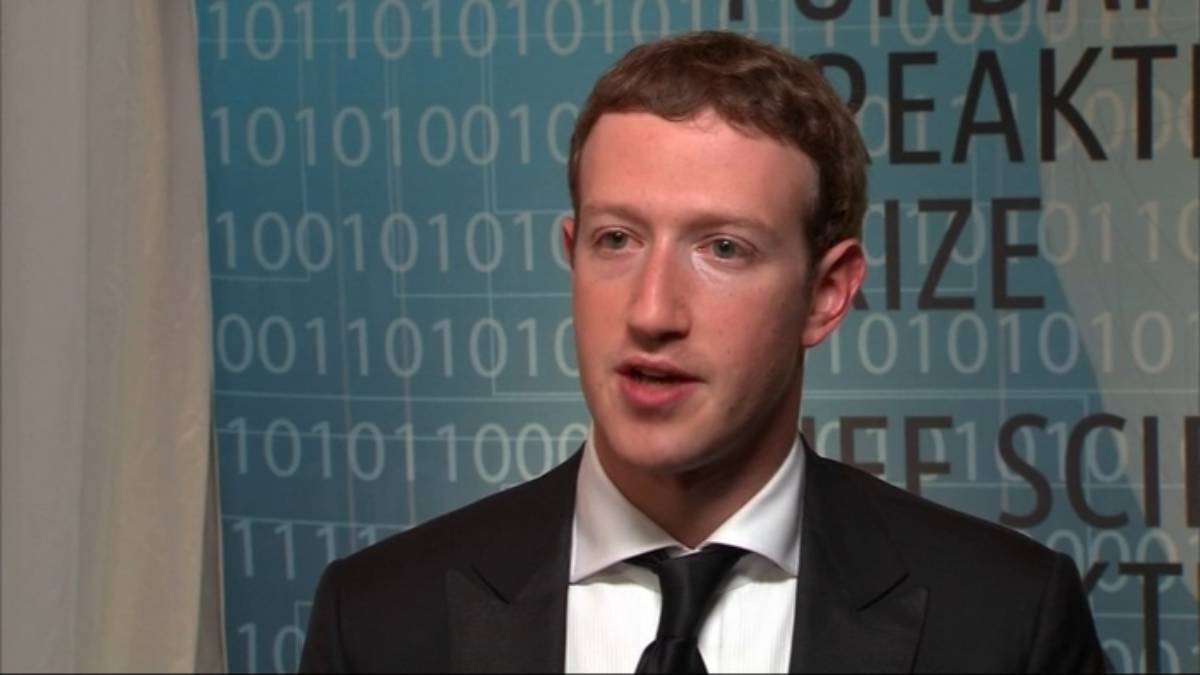
A major development in AI-driven digital identity is unfolding as Meta reportedly builds an AI-powered version of its CEO Mark Zuckerberg. The initiative signals a strategic shift toward virtual representation, with implications for corporate communication, branding, and the future of human-AI interaction.
Meta is reportedly developing an AI avatar modeled on Mark Zuckerberg, capable of interacting, communicating, and potentially representing the executive in digital environments.
The initiative aligns with Meta’s broader investments in artificial intelligence and the metaverse, where digital personas are expected to play a central role. The AI version could be used for internal communications, public engagement, or scalable executive presence.
Key stakeholders include corporate leadership teams, technology developers, and users of digital platforms. The move reflects growing interest in AI-generated personas as tools for communication, branding, and operational efficiency in large organizations.
The development aligns with a broader trend across global markets where AI is increasingly being used to replicate human likeness, voice, and behavior. From virtual influencers to AI-generated customer service agents, digital personas are becoming integral to modern communication strategies.
Meta has been at the forefront of building immersive digital ecosystems, particularly through its investments in virtual and augmented reality. The concept of AI-driven avatars fits within its long-term vision of the metaverse, where identity and interaction are digitally mediated.
Historically, corporate communication has relied on human presence, but advances in generative AI are enabling scalable, always-available representations. This shift raises both opportunities and challenges, particularly around authenticity, trust, and ethical use.
Industry analysts suggest that AI avatars of executives could transform how organizations communicate, enabling real-time, personalized engagement at scale. Experts note that such technology could enhance accessibility, allowing leaders to interact with global audiences without physical constraints.
However, commentators also highlight potential risks, including misuse, deepfake concerns, and erosion of trust if audiences cannot distinguish between real and AI-generated interactions. Transparency and clear governance frameworks are expected to be critical.
Technology experts emphasize that the success of such initiatives will depend on the realism, accuracy, and ethical deployment of AI systems. Some analysts also point out that public acceptance may vary, particularly in high-stakes contexts such as financial disclosures or policy statements.
For global executives, the development signals a new era of AI-enabled leadership presence, where digital avatars could augment traditional communication channels. Companies may explore similar technologies to enhance engagement, training, and customer interaction.
Investors are likely to monitor how such innovations impact brand perception and operational efficiency. Meanwhile, regulators may need to address emerging challenges related to identity, consent, and misinformation in AI-generated content. The move also raises broader questions about the role of authenticity in corporate communication, particularly as AI becomes more capable of mimicking human behavior.
Looking ahead, AI-generated personas are expected to become more sophisticated and widely adopted across industries. Decision-makers should monitor advancements in generative AI, as well as evolving regulatory and ethical standards.
The ability to balance innovation with trust will determine the success of AI avatars, positioning digital identity as a critical frontier in the next phase of enterprise transformation.
Source: ABC7 News
Date: April 2026


