



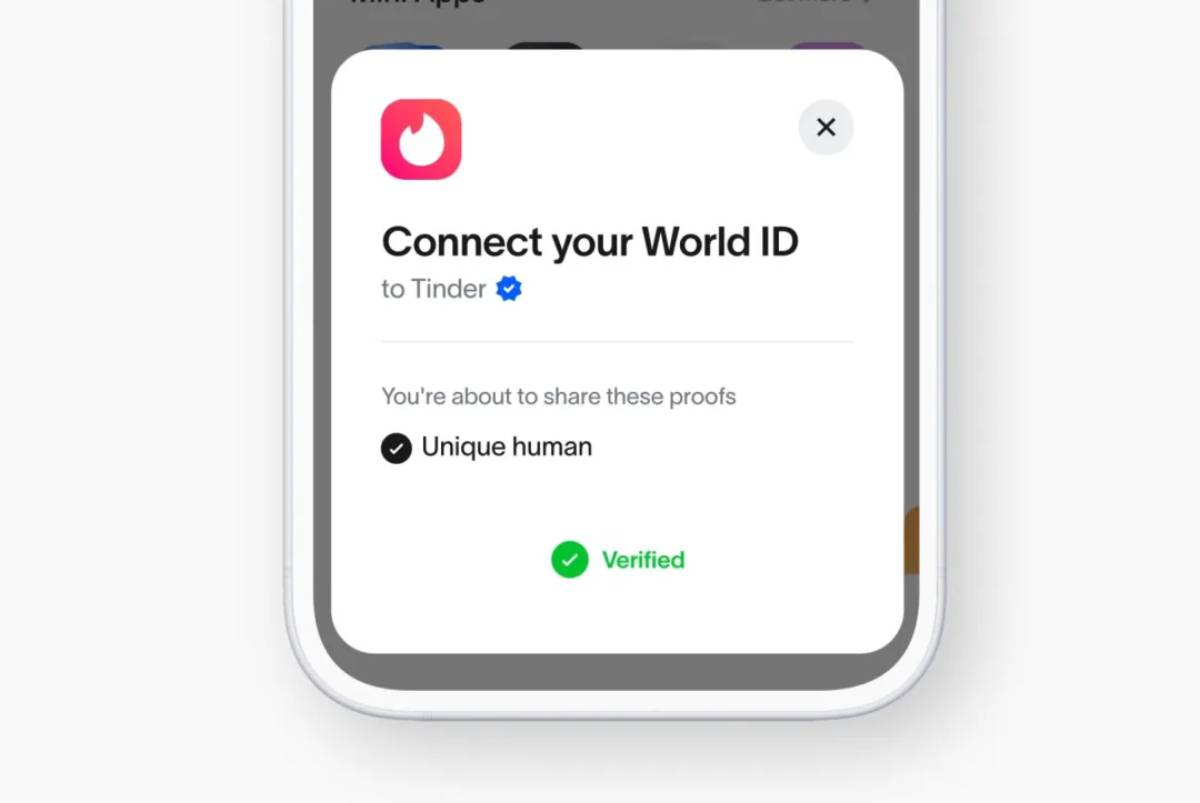
A major development is emerging at the intersection of digital identity and online dating as Worldcoin expands its biometric verification system into social and matchmaking platforms. The “Orb” identity scanner is now being positioned as a trust layer for dating ecosystems, raising questions about privacy, adoption, and the future of verified human interaction in digital consumer markets.
Worldcoin, co-founded by OpenAI CEO Sam Altman, is advancing its biometric “Orb” identity verification system as a potential authentication layer for dating platforms such as Tinder-like ecosystems. The system scans iris data to confirm “proof of personhood” and issues a digital identity.
The expansion signals a shift from crypto-linked identity verification toward mainstream consumer applications. Dating platforms are exploring tools to reduce bots, fake profiles, and AI-generated impersonation.
The initiative is still in experimental phases, but early integrations suggest a broader strategy: embedding biometric trust infrastructure into everyday digital interactions beyond finance and crypto authentication.
The rise of AI-generated identities, deepfake profiles, and automated social bots has created a structural trust deficit across online platforms particularly in dating, where authenticity is critical to user engagement.
Worldcoin originally positioned its Orb system as a solution for global identity verification in the age of artificial intelligence. Built around iris scanning and blockchain-based identity credentials, it aims to distinguish humans from AI agents in digital environments.
The extension into dating applications reflects a broader convergence of identity infrastructure and consumer internet platforms. Tech companies are increasingly exploring “verified human” layers as generative AI makes synthetic personas indistinguishable from real users. This also ties into ongoing global debates around biometric governance, data privacy regulation, and the commercialization of identity verification systems.
Technology analysts argue that Worldcoin’s move represents an early attempt to monetize identity infrastructure as a platform layer rather than a standalone verification tool. If adopted widely, biometric identity could become a default requirement across social platforms, similar to payment authentication systems in fintech.
Privacy advocates, however, caution that integrating iris-based verification into dating ecosystems raises concerns over data permanence and biometric surveillance risks. Industry observers note that dating platforms may benefit from reduced fraud and improved trust metrics, potentially increasing user retention and subscription revenue. However, adoption will depend heavily on consumer acceptance of biometric onboarding.
While Worldcoin has defended its model as privacy-preserving through cryptographic hashing, regulatory scrutiny in multiple jurisdictions remains a key variable shaping its expansion trajectory.
For digital platforms, biometric identity systems could become a competitive differentiator in combating fake accounts, scams, and AI-driven impersonation. Dating apps, in particular, may see improved trust economics and higher monetization efficiency if verified-user networks become standard.
For investors, the emergence of identity-as-a-service models introduces a new infrastructure layer within the AI economy. From a policy perspective, regulators are likely to intensify scrutiny around biometric data collection, cross-border identity storage, and consent frameworks. Governments may also push for standardized “proof of human” protocols as AI-generated personas proliferate across consumer platforms.
The trajectory of Orb-based verification will depend on whether users accept biometric onboarding as a trade-off for trust and safety. If adoption scales, identity verification could become a foundational layer across social, financial, and professional platforms. However, resistance around privacy and regulation may slow deployment. The next phase will test whether “verified humanity” becomes a premium feature or a regulatory mandate.
Source: The Verge
Date: April 20, 2026


