
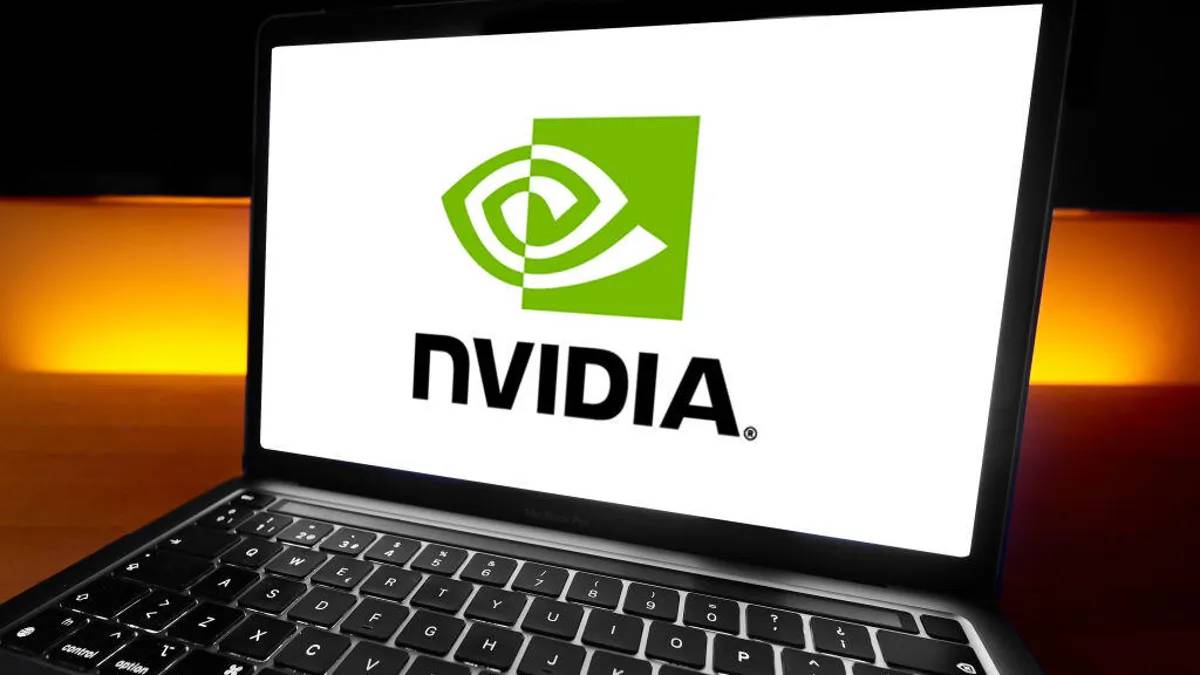
Nvidia Enters Laptop AI Chips in Computing Shift

Nvidia is reportedly advancing plans to release a new laptop-grade AI chip designed to bring advanced inference and AI processing directly into portable computing systems.

April 20, 2026
|
Image Source: CNET

A major development is unfolding in the global semiconductor landscape as Nvidia prepares to launch a laptop-focused AI chip in the first half of this year. The move signals an expansion of AI computing beyond data centers into consumer devices, intensifying competition across chipmakers and reshaping priorities for PC manufacturers, software developers, and global tech investors.

Nvidia is reportedly advancing plans to release a new laptop-grade AI chip designed to bring advanced inference and AI processing directly into portable computing systems. The rollout is expected in the first half of the year, according to industry reporting.

The development positions Nvidia to extend its dominance from data centers into consumer and enterprise mobility markets. Laptop OEMs and PC manufacturers are expected to be early adopters, integrating AI acceleration into next-generation devices.

The move also places Nvidia in closer competitive overlap with CPU and integrated chipmakers, intensifying pressure on traditional PC silicon ecosystems. The semiconductor industry is undergoing a structural shift driven by AI workloads migrating from centralized cloud systems to edge and endpoint devices. Historically, AI computation has been concentrated in data centers, where large-scale GPUs dominate inference and training workloads.

Now, companies like Nvidia are pushing toward distributed AI computing, where laptops, desktops, and mobile systems perform on-device intelligence tasks such as real-time translation, generative content creation, and productivity automation.

This transition aligns with broader industry trends including AI PC architectures and hybrid cloud-edge computing strategies. It also reflects intensifying competition among chipmakers such as Intel and AMD, who are also redesigning processor roadmaps to accommodate AI-native workloads.

The shift carries geopolitical weight as governments increasingly view semiconductor leadership as a strategic national priority, particularly in the US–China technology competition. Analysts suggest Nvidia’s expansion into laptop chips reflects a deliberate strategy to lock in AI compute dominance across every computing tier. By embedding AI capabilities into portable devices, the company strengthens its ecosystem advantage and reduces reliance on hyperscale data center cycles.

Industry observers note that this could accelerate the “AI PC” transition, where hardware is optimized not just for performance but for continuous machine learning workloads running locally.

While Nvidia has not publicly detailed full specifications, semiconductor strategists argue the move places pressure on competitors to accelerate AI integration across CPUs and integrated graphics.

Market analysts also highlight that OEM adoption will be critical, with success dependent on partnerships with major PC vendors and software optimization across operating systems. For global technology firms, this shift could redefine PC architecture roadmaps and procurement strategies. Laptop manufacturers may need to redesign systems around AI-native chips rather than treating AI as an add-on feature.

Investors are likely to reassess valuation models across the semiconductor sector as AI demand spreads beyond data centers into mass-market computing. For enterprises, AI-enabled laptops could reduce reliance on cloud inference, improving latency, privacy, and cost efficiency. From a policy standpoint, governments may increase scrutiny of AI chip supply chains, particularly as strategic dependence on a small number of suppliers intensifies.

The next phase will depend on adoption speed from PC manufacturers and software ecosystems. If integration is successful, AI-capable laptops could become a default industry standard within a few product cycles. However, execution risks remain around performance optimization, pricing, and thermal constraints. The competitive response from Intel, AMD, and ARM-based ecosystems will determine whether this becomes an Nvidia-led transition or a broader industry convergence.

Source: CNET (via syndicated reporting)
Date: April 20, 2026

  • Featured tools
Hostinger Website Builder
Paid

Hostinger Website Builder is a drag-and-drop website creator bundled with hosting and AI-powered tools, designed for businesses, blogs and small shops with minimal technical effort.It makes launching a site fast and affordable, with templates, responsive design and built-in hosting all in one.

#
Productivity
#
Startup Tools
#
Ecommerce
Learn more
Tome AI
Free

Tome AI is an AI-powered storytelling and presentation tool designed to help users create compelling narratives and presentations quickly and efficiently. It leverages advanced AI technologies to generate content, images, and animations based on user input.

#
Presentation
#
Startup Tools
Learn more

Learn more about future of AI

Join 80,000+ Ai enthusiast getting weekly updates on exciting AI tools.
Thank you! Your submission has been received!
Oops! Something went wrong while submitting the form.

Nvidia Enters Laptop AI Chips in Computing Shift

April 20, 2026

Nvidia is reportedly advancing plans to release a new laptop-grade AI chip designed to bring advanced inference and AI processing directly into portable computing systems.

Image Source: CNET

A major development is unfolding in the global semiconductor landscape as Nvidia prepares to launch a laptop-focused AI chip in the first half of this year. The move signals an expansion of AI computing beyond data centers into consumer devices, intensifying competition across chipmakers and reshaping priorities for PC manufacturers, software developers, and global tech investors.

Nvidia is reportedly advancing plans to release a new laptop-grade AI chip designed to bring advanced inference and AI processing directly into portable computing systems. The rollout is expected in the first half of the year, according to industry reporting.

The development positions Nvidia to extend its dominance from data centers into consumer and enterprise mobility markets. Laptop OEMs and PC manufacturers are expected to be early adopters, integrating AI acceleration into next-generation devices.

The move also places Nvidia in closer competitive overlap with CPU and integrated chipmakers, intensifying pressure on traditional PC silicon ecosystems. The semiconductor industry is undergoing a structural shift driven by AI workloads migrating from centralized cloud systems to edge and endpoint devices. Historically, AI computation has been concentrated in data centers, where large-scale GPUs dominate inference and training workloads.

Now, companies like Nvidia are pushing toward distributed AI computing, where laptops, desktops, and mobile systems perform on-device intelligence tasks such as real-time translation, generative content creation, and productivity automation.

This transition aligns with broader industry trends including AI PC architectures and hybrid cloud-edge computing strategies. It also reflects intensifying competition among chipmakers such as Intel and AMD, who are also redesigning processor roadmaps to accommodate AI-native workloads.

The shift carries geopolitical weight as governments increasingly view semiconductor leadership as a strategic national priority, particularly in the US–China technology competition. Analysts suggest Nvidia’s expansion into laptop chips reflects a deliberate strategy to lock in AI compute dominance across every computing tier. By embedding AI capabilities into portable devices, the company strengthens its ecosystem advantage and reduces reliance on hyperscale data center cycles.

Industry observers note that this could accelerate the “AI PC” transition, where hardware is optimized not just for performance but for continuous machine learning workloads running locally.

While Nvidia has not publicly detailed full specifications, semiconductor strategists argue the move places pressure on competitors to accelerate AI integration across CPUs and integrated graphics.

Market analysts also highlight that OEM adoption will be critical, with success dependent on partnerships with major PC vendors and software optimization across operating systems. For global technology firms, this shift could redefine PC architecture roadmaps and procurement strategies. Laptop manufacturers may need to redesign systems around AI-native chips rather than treating AI as an add-on feature.

Investors are likely to reassess valuation models across the semiconductor sector as AI demand spreads beyond data centers into mass-market computing. For enterprises, AI-enabled laptops could reduce reliance on cloud inference, improving latency, privacy, and cost efficiency. From a policy standpoint, governments may increase scrutiny of AI chip supply chains, particularly as strategic dependence on a small number of suppliers intensifies.

The next phase will depend on adoption speed from PC manufacturers and software ecosystems. If integration is successful, AI-capable laptops could become a default industry standard within a few product cycles. However, execution risks remain around performance optimization, pricing, and thermal constraints. The competitive response from Intel, AMD, and ARM-based ecosystems will determine whether this becomes an Nvidia-led transition or a broader industry convergence.

Source: CNET (via syndicated reporting)
Date: April 20, 2026

Promote Your Tool

Copy Embed Code

Similar Blogs

April 20, 2026
|

Digital Passport Push Accelerates Gov Service Digitization

Digital passport renewal systems are expanding across multiple jurisdictions, allowing users to update travel documents without physical visits to government offices.
Read more
April 20, 2026
|

Canva Expands Into Workplace AI Productivity Tools

Canva has introduced expanded AI-driven workplace features aimed at transforming its platform from a design tool into an integrated productivity ecosystem.
Read more
April 20, 2026
|

Worldcoin Expands Orb Biometrics Into Dating Ecosystem

Worldcoin, co-founded by OpenAI CEO Sam Altman, is advancing its biometric “Orb” identity verification system as a potential authentication layer for dating platforms such as Tinder-like ecosystems.
Read more
April 20, 2026
|

Nvidia Enters Laptop AI Chips in Computing Shift

Nvidia is reportedly advancing plans to release a new laptop-grade AI chip designed to bring advanced inference and AI processing directly into portable computing systems.
Read more
April 20, 2026
|

ASUS ZenScreen Price Drop Signals Hybrid Work Demand Surge

The price reduction on the ASUS ZenScreen Portable Monitor highlights increased competition in the portable display segment. The device is designed to extend laptop functionality through lightweight.
Read more
April 20, 2026
|

AI Shift Moves Computing to PC-Native Intelligence

AI applications are increasingly being designed to run directly on PCs, leveraging local processing power rather than relying solely on cloud infrastructure.
Read more