
Smart Glasses Face Utility Adoption Gap

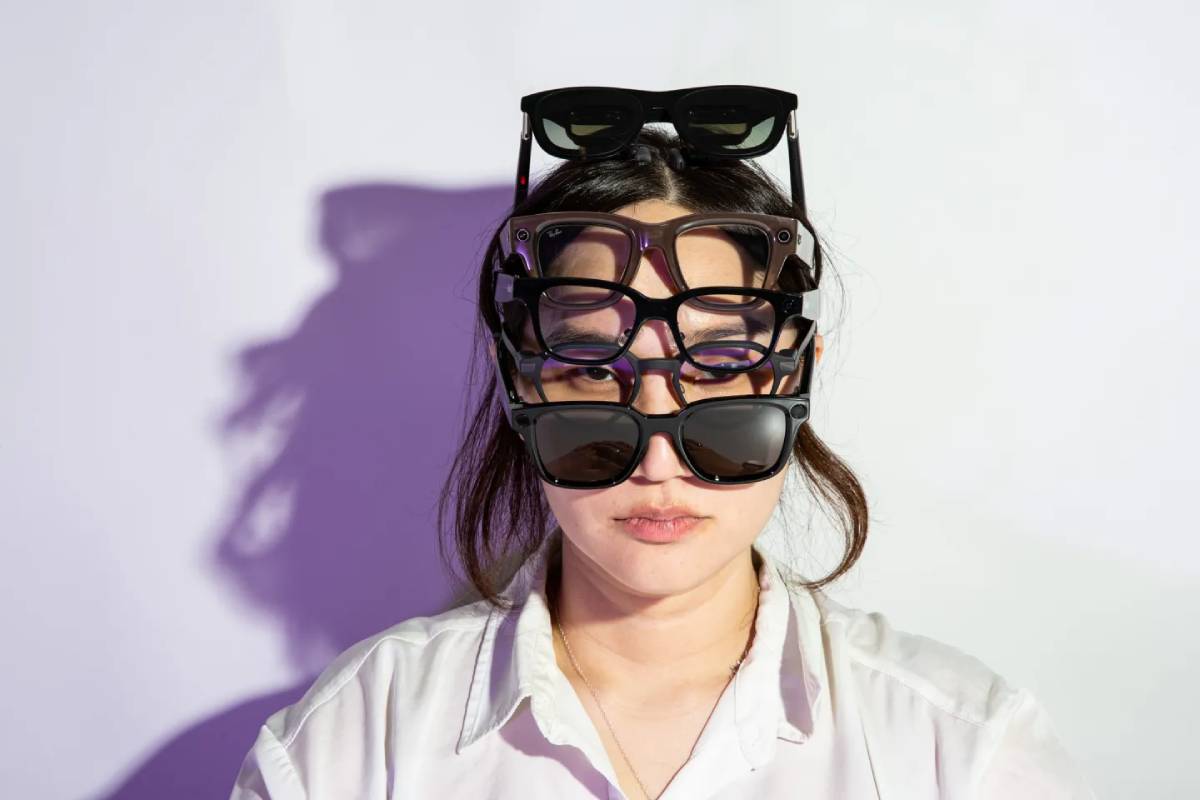
The latest reviews of smart glasses across multiple brands including AI-enabled and display-focused modelsbindicate a consistent problem: limited real-world utility.

May 4, 2026
|
Image Source: The Verge

A growing wave of smart glasses from major tech players is facing a critical reality check as reviewers highlight a persistent lack of meaningful everyday use cases. Despite advances in design and AI integration, the devices are struggling to move beyond novelty, raising questions about consumer demand, product maturity, and the future of ambient computing.

The latest reviews of smart glasses across multiple brands including AI-enabled and display-focused modelsbindicate a consistent problem: limited real-world utility. Devices from established tech companies and startups alike offer features such as notifications, voice assistance, basic augmented overlays, and media capture, but fail to deliver sustained daily value.

While hardware refinement has improved lighter frames, better battery life, and more discreet designsbusers report that core functionality remains fragmented. The gap between marketing expectations and practical usage is becoming more visible, especially as companies position smart glasses as the next major computing platform after smartphones.

The smart glasses market has re-emerged as part of a broader push toward spatial computing and AI-powered wearables. Following earlier failures in the category, such as first-generation augmented reality headsets and limited consumer adoption of wearable displays, companies are now attempting a second wave driven by miniaturized sensors and generative AI integration.

Tech firms are betting that contextual AI assistants embedded in eyewear will redefine how users interact with digital information. However, adoption barriers remain high, including social acceptance, limited battery constraints, and unclear daily use cases. The industry is also competing with smartphones, which continue to dominate attention and functionality.

This tension reflects a wider trend in consumer tech: innovation is accelerating faster than practical integration into everyday workflows. Industry analysts suggest that the current generation of smart glasses is still in an experimental phase. While companies frame them as productivity enhancers and AI companions, experts argue that most offerings lack “must-have” applications that justify regular usage.

Technology observers note that the success of wearables depends less on hardware capability and more on ecosystem integration. Without compelling software or deeply embedded services, even advanced glasses risk becoming occasional-use gadgets.

Some product strategists argue that the category is undergoing a transition similar to early smartphones, where initial skepticism eventually gave way to necessity-driven adoption. However, others caution that without a breakthrough use case such as real-time translation, navigation, or enterprise-grade applications—consumer fatigue may slow market momentum.

For technology companies, the findings signal a need to rethink product positioning and software ecosystems around smart eyewear. Investment in AI integration alone may not be sufficient unless paired with clear, everyday utility.

For investors, the category presents both long-term potential and short-term uncertainty, particularly as capital continues to flow into augmented reality and wearable AI startups.

From a policy and regulatory perspective, increased adoption of camera-enabled wearables may also raise concerns around privacy, data capture, and public usage norms. Businesses exploring workplace deployment must also consider productivity benefits versus user resistance.

The next phase of smart glasses development will likely focus on refining AI-driven use cases that deliver consistent, real-world value. Industry players are expected to prioritize enterprise applications and contextual computing features over consumer novelty.

The key question ahead is whether software ecosystems can evolve quickly enough to justify hardware adoption. Until then, smart glasses risk remaining a promising but underutilized category in the wearable tech landscape.

Source: The Verge
Date: May 2026

  • Featured tools
Wonder AI
Free

Wonder AI is a versatile AI-powered creative platform that generates text, images, and audio with minimal input, designed for fast storytelling, visual creation, and audio content generation

#
Art Generator
Learn more
Symphony Ayasdi AI
Free

SymphonyAI Sensa is an AI-powered surveillance and financial crime detection platform that surfaces hidden risk behavior through explainable, AI-driven analytics.

#
Finance
Learn more

Learn more about future of AI

Join 80,000+ Ai enthusiast getting weekly updates on exciting AI tools.
Thank you! Your submission has been received!
Oops! Something went wrong while submitting the form.

Smart Glasses Face Utility Adoption Gap

May 4, 2026

The latest reviews of smart glasses across multiple brands including AI-enabled and display-focused modelsbindicate a consistent problem: limited real-world utility.

Image Source: The Verge

A growing wave of smart glasses from major tech players is facing a critical reality check as reviewers highlight a persistent lack of meaningful everyday use cases. Despite advances in design and AI integration, the devices are struggling to move beyond novelty, raising questions about consumer demand, product maturity, and the future of ambient computing.

The latest reviews of smart glasses across multiple brands including AI-enabled and display-focused modelsbindicate a consistent problem: limited real-world utility. Devices from established tech companies and startups alike offer features such as notifications, voice assistance, basic augmented overlays, and media capture, but fail to deliver sustained daily value.

While hardware refinement has improved lighter frames, better battery life, and more discreet designsbusers report that core functionality remains fragmented. The gap between marketing expectations and practical usage is becoming more visible, especially as companies position smart glasses as the next major computing platform after smartphones.

The smart glasses market has re-emerged as part of a broader push toward spatial computing and AI-powered wearables. Following earlier failures in the category, such as first-generation augmented reality headsets and limited consumer adoption of wearable displays, companies are now attempting a second wave driven by miniaturized sensors and generative AI integration.

Tech firms are betting that contextual AI assistants embedded in eyewear will redefine how users interact with digital information. However, adoption barriers remain high, including social acceptance, limited battery constraints, and unclear daily use cases. The industry is also competing with smartphones, which continue to dominate attention and functionality.

This tension reflects a wider trend in consumer tech: innovation is accelerating faster than practical integration into everyday workflows. Industry analysts suggest that the current generation of smart glasses is still in an experimental phase. While companies frame them as productivity enhancers and AI companions, experts argue that most offerings lack “must-have” applications that justify regular usage.

Technology observers note that the success of wearables depends less on hardware capability and more on ecosystem integration. Without compelling software or deeply embedded services, even advanced glasses risk becoming occasional-use gadgets.

Some product strategists argue that the category is undergoing a transition similar to early smartphones, where initial skepticism eventually gave way to necessity-driven adoption. However, others caution that without a breakthrough use case such as real-time translation, navigation, or enterprise-grade applications—consumer fatigue may slow market momentum.

For technology companies, the findings signal a need to rethink product positioning and software ecosystems around smart eyewear. Investment in AI integration alone may not be sufficient unless paired with clear, everyday utility.

For investors, the category presents both long-term potential and short-term uncertainty, particularly as capital continues to flow into augmented reality and wearable AI startups.

From a policy and regulatory perspective, increased adoption of camera-enabled wearables may also raise concerns around privacy, data capture, and public usage norms. Businesses exploring workplace deployment must also consider productivity benefits versus user resistance.

The next phase of smart glasses development will likely focus on refining AI-driven use cases that deliver consistent, real-world value. Industry players are expected to prioritize enterprise applications and contextual computing features over consumer novelty.

The key question ahead is whether software ecosystems can evolve quickly enough to justify hardware adoption. Until then, smart glasses risk remaining a promising but underutilized category in the wearable tech landscape.

Source: The Verge
Date: May 2026

Promote Your Tool

Copy Embed Code

Similar Blogs

May 4, 2026
|

Apple M3 iPad Air Sees Price Cuts Surge

The discounts appear to be part of broader seasonal and inventory-clearance strategies, aimed at stimulating demand in a highly competitive tablet market.
Read more
May 4, 2026
|

MacOS Shortcuts Redefine Productivity Workflows

Apple’s Apple operating system, macOS, continues to emphasize productivity features through advanced keyboard shortcut integration. Users can streamline navigation, text editing.
Read more
May 4, 2026
|

Amazon Expands AI Price Tracking Coverage

Amazon has expanded its built-in AI-driven price tracking system to show up to 12 months of historical pricing data across a wider range of products.
Read more
May 4, 2026
|

Microsoft Tests Windows 11 Run Menu Redesign

Microsoft has begun testing a redesigned version of the Windows 11 Run dialog, part of ongoing interface refinements within the operating system.
Read more
May 4, 2026
|

Retro Computers Return as Handheld Devices

Gaming hardware maker Blaze Entertainment has introduced handheld devices inspired by Commodore 64 and ZX Spectrum, reimagining iconic 1980s computing platforms in modern portable formats.
Read more
May 4, 2026
|

Smart Glasses Face Utility Adoption Gap

The latest reviews of smart glasses across multiple brands including AI-enabled and display-focused modelsbindicate a consistent problem: limited real-world utility.
Read more