
Retro Computers Return as Handheld Devices

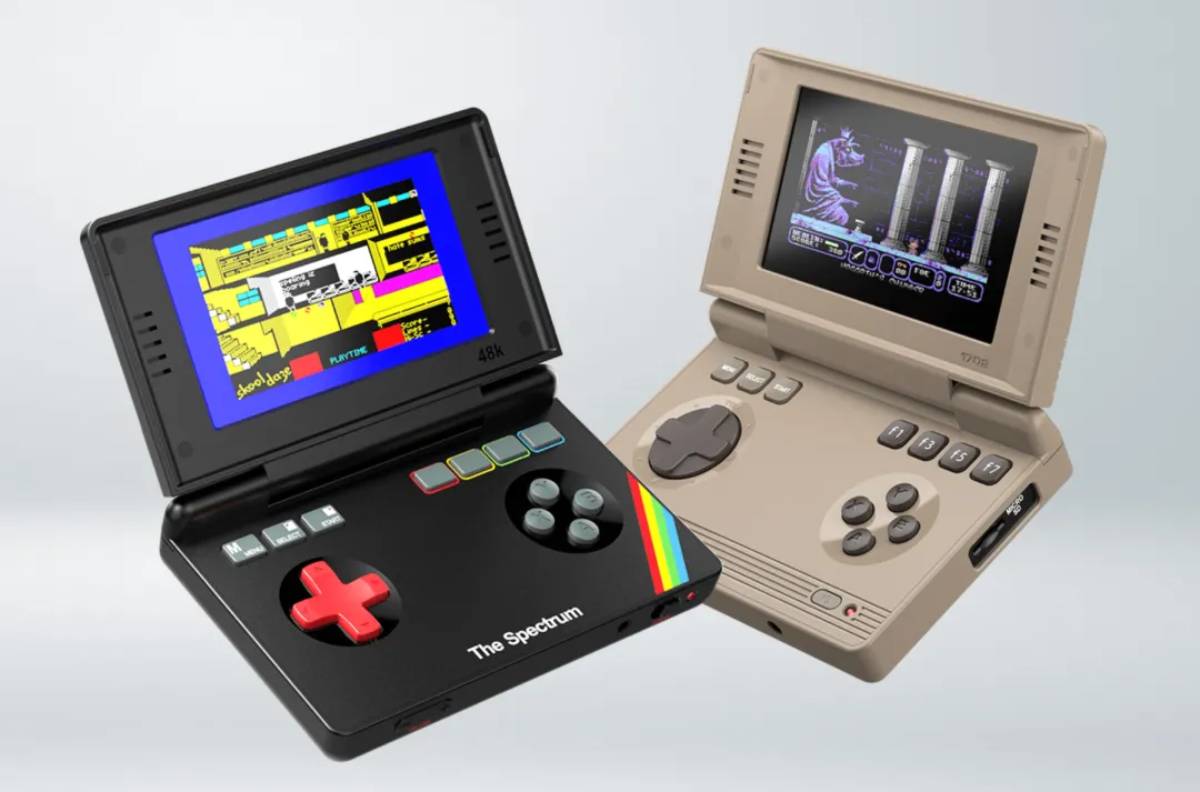
Gaming hardware maker Blaze Entertainment has introduced handheld devices inspired by Commodore 64 and ZX Spectrum, reimagining iconic 1980s computing platforms in modern portable formats.

May 4, 2026
|
Image Source: The Verge

A new wave of retro computing has emerged as classic systems like the Commodore 64 and ZX Spectrum are reintroduced in handheld form. The development reflects growing commercial interest in nostalgia-driven hardware, blending vintage computing culture with modern portable design. The move targets retro gaming enthusiasts and collectors in a niche but expanding global market.

Gaming hardware maker Blaze Entertainment has introduced handheld devices inspired by Commodore 64 and ZX Spectrum, reimagining iconic 1980s computing platforms in modern portable formats.

These devices are designed to replicate the original user experience while offering plug-and-play accessibility for contemporary users. The launch continues a broader industry trend of reviving legacy gaming systems in compact, consumer-friendly formats.

The rollout targets retro gaming communities, collectors, and new audiences interested in digital preservation. While not positioned as mainstream gaming hardware, the products highlight sustained demand for nostalgia-based interactive entertainment.

The revival of retro computing hardware is part of a wider global trend in the gaming and consumer electronics industries, where nostalgia is increasingly monetized through re-releases and modern reinterpretations of legacy systems.

The original Commodore 64 and ZX Spectrum were foundational platforms in the early home computing revolution of the 1980s, shaping programming culture and early video game development. Their re-emergence in handheld form reflects both cultural preservation efforts and commercial opportunity.

In recent years, companies have successfully reintroduced classic consoles and arcade systems in miniature formats, demonstrating strong consumer appetite for retro experiences. This trend aligns with broader “nostalgia economics,” where emotional value and cultural memory drive purchasing decisions alongside functionality.

The current shift also reflects advances in emulation technology, allowing legacy systems to be recreated with high fidelity on modern hardware. Industry analysts view the launch as part of a mature retro gaming cycle, where legacy intellectual property is continuously repackaged for new generations. Experts note that handheld retro devices succeed not through technical innovation, but through emotional resonance and cultural familiarity.

Gaming historians highlight that systems like the ZX Spectrum and Commodore 64 represent more than entertainment hardware they are foundational tools that influenced early software development and digital literacy.

Market observers suggest that companies such as Blaze Entertainment are capitalizing on a stable niche market where demand is driven by collectors and enthusiasts rather than mass adoption. However, some analysts caution that long-term growth depends on maintaining authenticity while expanding usability for newer audiences unfamiliar with original platforms.

The broader industry consensus sees retro hardware as a low-risk, brand-reinforcing segment within the gaming ecosystem. For gaming and electronics companies, retro handhelds represent a profitable extension of legacy intellectual property portfolios. They offer relatively low development risk while tapping into established fan bases.

Investors may view the segment as a stable niche within the broader gaming industry, particularly as inflationary pressures push consumers toward lower-cost entertainment alternatives. However, scalability remains limited compared to mainstream gaming consoles.

From a policy perspective, retro hardware also intersects with digital preservation discussions, particularly around software archiving and intellectual property reuse. For executives, the key takeaway is that nostalgia continues to function as a commercially viable strategy in consumer electronics.

The retro handheld market is expected to remain steady, with incremental releases tied to iconic legacy systems. Future growth may depend on expanding interactivity, online features, and educational use cases. However, the category is unlikely to disrupt mainstream gaming markets. Decision-makers will focus on balancing authenticity with modern usability as demand for nostalgia-driven devices continues to evolve.

Source: The Verge
Date: May 4, 2026

  • Featured tools
Hostinger Website Builder
Paid

Hostinger Website Builder is a drag-and-drop website creator bundled with hosting and AI-powered tools, designed for businesses, blogs and small shops with minimal technical effort.It makes launching a site fast and affordable, with templates, responsive design and built-in hosting all in one.

#
Productivity
#
Startup Tools
#
Ecommerce
Learn more
Beautiful AI
Free

Beautiful AI is an AI-powered presentation platform that automates slide design and formatting, enabling users to create polished, on-brand presentations quickly.

#
Presentation
Learn more

Learn more about future of AI

Join 80,000+ Ai enthusiast getting weekly updates on exciting AI tools.
Thank you! Your submission has been received!
Oops! Something went wrong while submitting the form.

Retro Computers Return as Handheld Devices

May 4, 2026

Gaming hardware maker Blaze Entertainment has introduced handheld devices inspired by Commodore 64 and ZX Spectrum, reimagining iconic 1980s computing platforms in modern portable formats.

Image Source: The Verge

A new wave of retro computing has emerged as classic systems like the Commodore 64 and ZX Spectrum are reintroduced in handheld form. The development reflects growing commercial interest in nostalgia-driven hardware, blending vintage computing culture with modern portable design. The move targets retro gaming enthusiasts and collectors in a niche but expanding global market.

Gaming hardware maker Blaze Entertainment has introduced handheld devices inspired by Commodore 64 and ZX Spectrum, reimagining iconic 1980s computing platforms in modern portable formats.

These devices are designed to replicate the original user experience while offering plug-and-play accessibility for contemporary users. The launch continues a broader industry trend of reviving legacy gaming systems in compact, consumer-friendly formats.

The rollout targets retro gaming communities, collectors, and new audiences interested in digital preservation. While not positioned as mainstream gaming hardware, the products highlight sustained demand for nostalgia-based interactive entertainment.

The revival of retro computing hardware is part of a wider global trend in the gaming and consumer electronics industries, where nostalgia is increasingly monetized through re-releases and modern reinterpretations of legacy systems.

The original Commodore 64 and ZX Spectrum were foundational platforms in the early home computing revolution of the 1980s, shaping programming culture and early video game development. Their re-emergence in handheld form reflects both cultural preservation efforts and commercial opportunity.

In recent years, companies have successfully reintroduced classic consoles and arcade systems in miniature formats, demonstrating strong consumer appetite for retro experiences. This trend aligns with broader “nostalgia economics,” where emotional value and cultural memory drive purchasing decisions alongside functionality.

The current shift also reflects advances in emulation technology, allowing legacy systems to be recreated with high fidelity on modern hardware. Industry analysts view the launch as part of a mature retro gaming cycle, where legacy intellectual property is continuously repackaged for new generations. Experts note that handheld retro devices succeed not through technical innovation, but through emotional resonance and cultural familiarity.

Gaming historians highlight that systems like the ZX Spectrum and Commodore 64 represent more than entertainment hardware they are foundational tools that influenced early software development and digital literacy.

Market observers suggest that companies such as Blaze Entertainment are capitalizing on a stable niche market where demand is driven by collectors and enthusiasts rather than mass adoption. However, some analysts caution that long-term growth depends on maintaining authenticity while expanding usability for newer audiences unfamiliar with original platforms.

The broader industry consensus sees retro hardware as a low-risk, brand-reinforcing segment within the gaming ecosystem. For gaming and electronics companies, retro handhelds represent a profitable extension of legacy intellectual property portfolios. They offer relatively low development risk while tapping into established fan bases.

Investors may view the segment as a stable niche within the broader gaming industry, particularly as inflationary pressures push consumers toward lower-cost entertainment alternatives. However, scalability remains limited compared to mainstream gaming consoles.

From a policy perspective, retro hardware also intersects with digital preservation discussions, particularly around software archiving and intellectual property reuse. For executives, the key takeaway is that nostalgia continues to function as a commercially viable strategy in consumer electronics.

The retro handheld market is expected to remain steady, with incremental releases tied to iconic legacy systems. Future growth may depend on expanding interactivity, online features, and educational use cases. However, the category is unlikely to disrupt mainstream gaming markets. Decision-makers will focus on balancing authenticity with modern usability as demand for nostalgia-driven devices continues to evolve.

Source: The Verge
Date: May 4, 2026

Promote Your Tool

Copy Embed Code

Similar Blogs

May 4, 2026
|

Apple M3 iPad Air Sees Price Cuts Surge

The discounts appear to be part of broader seasonal and inventory-clearance strategies, aimed at stimulating demand in a highly competitive tablet market.
Read more
May 4, 2026
|

MacOS Shortcuts Redefine Productivity Workflows

Apple’s Apple operating system, macOS, continues to emphasize productivity features through advanced keyboard shortcut integration. Users can streamline navigation, text editing.
Read more
May 4, 2026
|

Amazon Expands AI Price Tracking Coverage

Amazon has expanded its built-in AI-driven price tracking system to show up to 12 months of historical pricing data across a wider range of products.
Read more
May 4, 2026
|

Microsoft Tests Windows 11 Run Menu Redesign

Microsoft has begun testing a redesigned version of the Windows 11 Run dialog, part of ongoing interface refinements within the operating system.
Read more
May 4, 2026
|

Retro Computers Return as Handheld Devices

Gaming hardware maker Blaze Entertainment has introduced handheld devices inspired by Commodore 64 and ZX Spectrum, reimagining iconic 1980s computing platforms in modern portable formats.
Read more
May 4, 2026
|

Smart Glasses Face Utility Adoption Gap

The latest reviews of smart glasses across multiple brands including AI-enabled and display-focused modelsbindicate a consistent problem: limited real-world utility.
Read more