
Amazon Expands AI Price Tracking Coverage

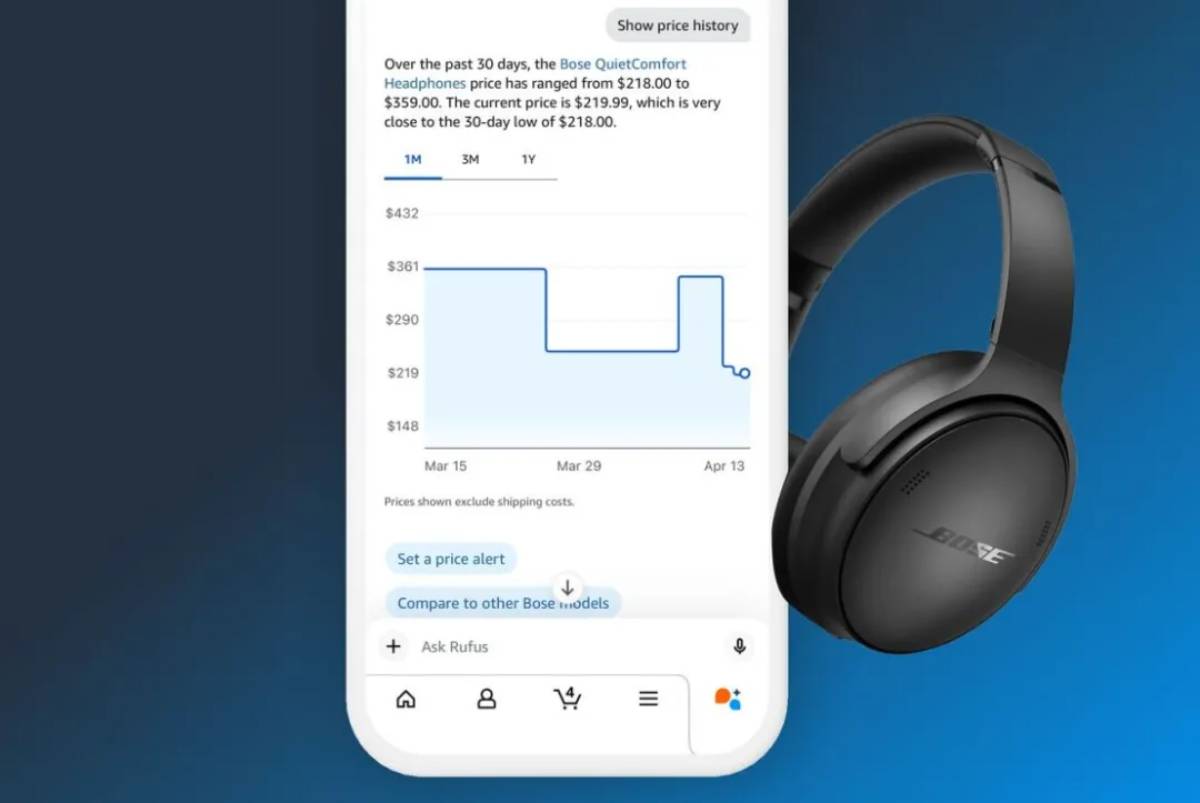
Amazon has expanded its built-in AI-driven price tracking system to show up to 12 months of historical pricing data across a wider range of products.

May 4, 2026
|
Image Source: The Verge

A major development in e-commerce transparency has emerged as Amazon expands its AI-powered price history tool to display a full year of pricing data. The move strengthens consumer visibility into pricing fluctuations while increasing pressure on sellers operating within the global digital retail ecosystem, with implications for market competition and regulatory scrutiny.

Amazon has expanded its built-in AI-driven price tracking system to show up to 12 months of historical pricing data across a wider range of products. The feature allows users to view long-term price trends directly within product listings on Amazon’s platform.

The update enhances existing shopping tools by integrating historical pricing insights without requiring third-party extensions. It applies across multiple categories and is being gradually rolled out to users. The feature builds on Amazon’s earlier price transparency tools, which previously offered shorter-term price comparisons.

The rollout reflects Amazon’s continued investment in AI-enhanced shopping infrastructure and consumer decision-making tools. The expansion of AI-driven price tracking comes amid increasing global scrutiny of dynamic pricing strategies in e-commerce. Retail platforms have long used algorithmic pricing models that adjust based on demand, competition, and inventory levels, often without full transparency to consumers.

By extending visibility to a full-year window, Amazon is effectively reshaping how consumers interpret price fairness and purchase timing. This shift aligns with broader industry trends toward algorithmic transparency and data-driven consumer empowerment.

Historically, price tracking required external browser extensions or third-party services. Integrating this capability natively into the world’s largest online retailer marks a significant structural change in retail analytics accessibility.

The move also reflects competitive pressure from other e-commerce players and growing regulatory interest in algorithmic pricing practices across major markets, including the US, EU, and parts of Asia.

Industry analysts suggest that Amazon’s expansion of price history visibility is both a consumer-centric feature and a strategic positioning tool. By controlling the transparency layer, Amazon can shape how pricing data is interpreted while reducing reliance on external tracking tools.

E-commerce researchers note that extended price histories may influence purchasing behavior, potentially encouraging delayed buying decisions during perceived high-price periods. At the same time, sellers may face increased pressure to maintain consistent pricing strategies, reducing flexibility in promotional cycles.

Market observers argue that this development reflects a broader shift toward “explainable commerce,” where platforms provide users with more context behind algorithmic decisions. However, some analysts caution that transparency does not necessarily reduce complexity, as pricing algorithms remain opaque even when historical data is visible.

For businesses operating on Amazon, the expanded price history tool introduces new competitive dynamics. Sellers may need to reassess pricing strategies to avoid negative consumer perception triggered by visible fluctuations.

For investors and retail brands, the feature signals increasing platform control over pricing narratives, potentially reducing seller autonomy in perceived value management. Consumer behavior may shift toward more price-sensitive purchasing cycles.

From a policy perspective, regulators examining algorithmic pricing and digital market fairness may view this as a step toward greater transparency. However, questions remain about whether visibility alone is sufficient without deeper disclosure of pricing logic and algorithmic decision-making frameworks.

The rollout of year-long price tracking is likely to expand further across Amazon’s global marketplaces. Future iterations may integrate predictive pricing insights or AI-generated buying recommendations. Decision-makers will closely monitor how consumer behavior shifts in response to increased transparency. The key uncertainty remains whether enhanced visibility will meaningfully constrain dynamic pricing strategies or simply reshape how they are perceived.

Source: The Verge
Date: May 4, 2026

  • Featured tools
Beautiful AI
Free

Beautiful AI is an AI-powered presentation platform that automates slide design and formatting, enabling users to create polished, on-brand presentations quickly.

#
Presentation
Learn more
Surfer AI
Free

Surfer AI is an AI-powered content creation assistant built into the Surfer SEO platform, designed to generate SEO-optimized articles from prompts, leveraging data from search results to inform tone, structure, and relevance.

#
SEO
Learn more

Learn more about future of AI

Join 80,000+ Ai enthusiast getting weekly updates on exciting AI tools.
Thank you! Your submission has been received!
Oops! Something went wrong while submitting the form.

Amazon Expands AI Price Tracking Coverage

May 4, 2026

Amazon has expanded its built-in AI-driven price tracking system to show up to 12 months of historical pricing data across a wider range of products.

Image Source: The Verge

A major development in e-commerce transparency has emerged as Amazon expands its AI-powered price history tool to display a full year of pricing data. The move strengthens consumer visibility into pricing fluctuations while increasing pressure on sellers operating within the global digital retail ecosystem, with implications for market competition and regulatory scrutiny.

Amazon has expanded its built-in AI-driven price tracking system to show up to 12 months of historical pricing data across a wider range of products. The feature allows users to view long-term price trends directly within product listings on Amazon’s platform.

The update enhances existing shopping tools by integrating historical pricing insights without requiring third-party extensions. It applies across multiple categories and is being gradually rolled out to users. The feature builds on Amazon’s earlier price transparency tools, which previously offered shorter-term price comparisons.

The rollout reflects Amazon’s continued investment in AI-enhanced shopping infrastructure and consumer decision-making tools. The expansion of AI-driven price tracking comes amid increasing global scrutiny of dynamic pricing strategies in e-commerce. Retail platforms have long used algorithmic pricing models that adjust based on demand, competition, and inventory levels, often without full transparency to consumers.

By extending visibility to a full-year window, Amazon is effectively reshaping how consumers interpret price fairness and purchase timing. This shift aligns with broader industry trends toward algorithmic transparency and data-driven consumer empowerment.

Historically, price tracking required external browser extensions or third-party services. Integrating this capability natively into the world’s largest online retailer marks a significant structural change in retail analytics accessibility.

The move also reflects competitive pressure from other e-commerce players and growing regulatory interest in algorithmic pricing practices across major markets, including the US, EU, and parts of Asia.

Industry analysts suggest that Amazon’s expansion of price history visibility is both a consumer-centric feature and a strategic positioning tool. By controlling the transparency layer, Amazon can shape how pricing data is interpreted while reducing reliance on external tracking tools.

E-commerce researchers note that extended price histories may influence purchasing behavior, potentially encouraging delayed buying decisions during perceived high-price periods. At the same time, sellers may face increased pressure to maintain consistent pricing strategies, reducing flexibility in promotional cycles.

Market observers argue that this development reflects a broader shift toward “explainable commerce,” where platforms provide users with more context behind algorithmic decisions. However, some analysts caution that transparency does not necessarily reduce complexity, as pricing algorithms remain opaque even when historical data is visible.

For businesses operating on Amazon, the expanded price history tool introduces new competitive dynamics. Sellers may need to reassess pricing strategies to avoid negative consumer perception triggered by visible fluctuations.

For investors and retail brands, the feature signals increasing platform control over pricing narratives, potentially reducing seller autonomy in perceived value management. Consumer behavior may shift toward more price-sensitive purchasing cycles.

From a policy perspective, regulators examining algorithmic pricing and digital market fairness may view this as a step toward greater transparency. However, questions remain about whether visibility alone is sufficient without deeper disclosure of pricing logic and algorithmic decision-making frameworks.

The rollout of year-long price tracking is likely to expand further across Amazon’s global marketplaces. Future iterations may integrate predictive pricing insights or AI-generated buying recommendations. Decision-makers will closely monitor how consumer behavior shifts in response to increased transparency. The key uncertainty remains whether enhanced visibility will meaningfully constrain dynamic pricing strategies or simply reshape how they are perceived.

Source: The Verge
Date: May 4, 2026

Promote Your Tool

Copy Embed Code

Similar Blogs

June 24, 2026
|

Denmark Launches €7M AI Lab

The Danish government has committed €7 million to establish a national AI Lab focused on accelerating real-world AI adoption.
Read more
June 24, 2026
|

Avrea Emerges With CI/CD Bet

Avrea has raised $4.7 million in pre-seed funding to modernize continuous integration and continuous deployment (CI/CD) systems for environments dominated by AI-generated code.
Read more
June 24, 2026
|

Atech Backs Lovable Hardware Moment

Atech is advocating a new approach to hardware development where AI tools streamline design, prototyping, and iteration cycles.
Read more
June 24, 2026
|

A16z Backs Endra Engineering Automation

Endra’s $50 million Series A round, led by Andreessen Horowitz, marks one of the largest early-stage investments in AI-driven engineering design tools in Europe.
Read more
June 24, 2026
|

Netcompany Expands Smart Airport Play

Netcompany’s acquisition of full control over Smarter Airports marks a strategic expansion into intelligent aviation infrastructure systems. The platform, integrated with AIRHART technology, is already being deployed at major hubs.
Read more
June 24, 2026
|

Swiss VC Market Enters Maturity Phase

The Swiss venture landscape is showing increased exit momentum through acquisitions and secondary sales, indicating healthier liquidity cycles for early-stage investors.
Read more