
Samsung Makes Galaxy AI Features Optional

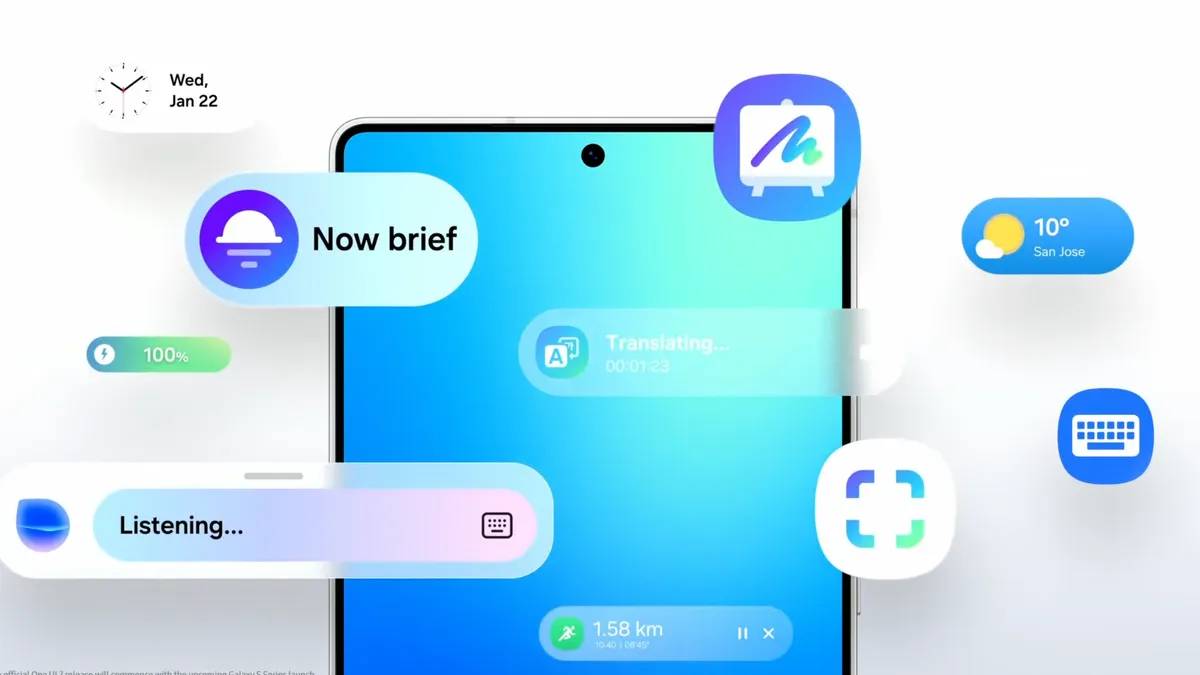
Samsung Galaxy smartphone users now have expanded settings to limit or turn off built-in AI functionalities embedded across system apps and services.

May 4, 2026
|
Image Source: CNET

A growing debate over on-device artificial intelligence has prompted changes in user control as Samsung Electronics enables Galaxy smartphone users to reduce or disable AI-driven features. The update reflects rising global scrutiny of AI integration in consumer devices and highlights shifting expectations around digital autonomy, privacy, and system transparency in mobile ecosystems.

Samsung Galaxy smartphone users now have expanded settings to limit or turn off built-in AI functionalities embedded across system apps and services. These include features related to text suggestions, image enhancements, and intelligent automation tools.

The change allows users to opt out of certain AI-driven processes while retaining core device functionality. The update is rolling out across recent Galaxy models as part of broader software customization options.

Key stakeholders include mobile users, app developers, and regulators monitoring AI deployment in consumer electronics. The move reflects increasing pressure on tech companies to provide clearer user consent mechanisms for AI-enabled features.

The development aligns with a broader trend across global markets where consumer technology firms are embedding artificial intelligence into everyday devices, often by default. Smartphones have become central hubs for AI integration, enabling automation in photography, communication, and productivity tools.

However, this rapid adoption has triggered concerns around privacy, transparency, and user control. Regulators in multiple regions have begun examining how AI systems are deployed in consumer environments, particularly where data is processed continuously in the background.

Historically, mobile operating systems evolved from manual settings to increasingly automated ecosystems. The current shift toward AI-first design represents the next phase of this evolution, but it also raises questions about user consent and control. Samsung’s approach reflects a balancing act between innovation and regulatory caution.

Industry analysts suggest that offering users the ability to disable AI features could become a competitive differentiator in the smartphone market, particularly among privacy-conscious consumers. Experts note that while AI improves convenience and personalization, it also introduces complexity in data governance and user transparency.

Technology policy specialists argue that “opt-out” frameworks may become more common as regulators push for stronger consumer rights over algorithmic systems. They highlight that clear disclosure of AI functions is becoming a baseline expectation rather than an optional feature.

Market observers add that smartphone manufacturers are navigating a delicate balance: enhancing AI capabilities to stay competitive while avoiding consumer backlash over perceived overreach in data usage and automated decision-making.

For businesses in the mobile and software ecosystem, increased demand for AI transparency may require redesigning default settings and user consent frameworks. Companies may need to invest more heavily in explainable AI interfaces and granular control options.

For consumers, the shift enhances autonomy, allowing individuals to decide the extent of AI involvement in their digital experience. From a policy standpoint, regulators may accelerate efforts to define standards for AI disclosure, consent, and data usage in consumer electronics. This could lead to more formal requirements governing how AI features are activated, managed, or disabled across devices globally.

As AI becomes more deeply integrated into smartphones, user control and transparency are expected to emerge as key competitive and regulatory themes. Future updates may expand customization options, allowing users to selectively enable AI functions rather than adopting all-or-nothing configurations.

The direction of mobile AI will likely be shaped by a combination of consumer preference, regulatory frameworks, and platform-level design decisions across global markets.

Source: CNET
Date: 2026

  • Featured tools
WellSaid Ai
Free

WellSaid AI is an advanced text-to-speech platform that transforms written text into lifelike, human-quality voiceovers.

#
Text to Speech
Learn more
Symphony Ayasdi AI
Free

SymphonyAI Sensa is an AI-powered surveillance and financial crime detection platform that surfaces hidden risk behavior through explainable, AI-driven analytics.

#
Finance
Learn more

Learn more about future of AI

Join 80,000+ Ai enthusiast getting weekly updates on exciting AI tools.
Thank you! Your submission has been received!
Oops! Something went wrong while submitting the form.

Samsung Makes Galaxy AI Features Optional

May 4, 2026

Samsung Galaxy smartphone users now have expanded settings to limit or turn off built-in AI functionalities embedded across system apps and services.

Image Source: CNET

A growing debate over on-device artificial intelligence has prompted changes in user control as Samsung Electronics enables Galaxy smartphone users to reduce or disable AI-driven features. The update reflects rising global scrutiny of AI integration in consumer devices and highlights shifting expectations around digital autonomy, privacy, and system transparency in mobile ecosystems.

Samsung Galaxy smartphone users now have expanded settings to limit or turn off built-in AI functionalities embedded across system apps and services. These include features related to text suggestions, image enhancements, and intelligent automation tools.

The change allows users to opt out of certain AI-driven processes while retaining core device functionality. The update is rolling out across recent Galaxy models as part of broader software customization options.

Key stakeholders include mobile users, app developers, and regulators monitoring AI deployment in consumer electronics. The move reflects increasing pressure on tech companies to provide clearer user consent mechanisms for AI-enabled features.

The development aligns with a broader trend across global markets where consumer technology firms are embedding artificial intelligence into everyday devices, often by default. Smartphones have become central hubs for AI integration, enabling automation in photography, communication, and productivity tools.

However, this rapid adoption has triggered concerns around privacy, transparency, and user control. Regulators in multiple regions have begun examining how AI systems are deployed in consumer environments, particularly where data is processed continuously in the background.

Historically, mobile operating systems evolved from manual settings to increasingly automated ecosystems. The current shift toward AI-first design represents the next phase of this evolution, but it also raises questions about user consent and control. Samsung’s approach reflects a balancing act between innovation and regulatory caution.

Industry analysts suggest that offering users the ability to disable AI features could become a competitive differentiator in the smartphone market, particularly among privacy-conscious consumers. Experts note that while AI improves convenience and personalization, it also introduces complexity in data governance and user transparency.

Technology policy specialists argue that “opt-out” frameworks may become more common as regulators push for stronger consumer rights over algorithmic systems. They highlight that clear disclosure of AI functions is becoming a baseline expectation rather than an optional feature.

Market observers add that smartphone manufacturers are navigating a delicate balance: enhancing AI capabilities to stay competitive while avoiding consumer backlash over perceived overreach in data usage and automated decision-making.

For businesses in the mobile and software ecosystem, increased demand for AI transparency may require redesigning default settings and user consent frameworks. Companies may need to invest more heavily in explainable AI interfaces and granular control options.

For consumers, the shift enhances autonomy, allowing individuals to decide the extent of AI involvement in their digital experience. From a policy standpoint, regulators may accelerate efforts to define standards for AI disclosure, consent, and data usage in consumer electronics. This could lead to more formal requirements governing how AI features are activated, managed, or disabled across devices globally.

As AI becomes more deeply integrated into smartphones, user control and transparency are expected to emerge as key competitive and regulatory themes. Future updates may expand customization options, allowing users to selectively enable AI functions rather than adopting all-or-nothing configurations.

The direction of mobile AI will likely be shaped by a combination of consumer preference, regulatory frameworks, and platform-level design decisions across global markets.

Source: CNET
Date: 2026

Promote Your Tool

Copy Embed Code

Similar Blogs

May 4, 2026
|

Apple M3 iPad Air Sees Price Cuts Surge

The discounts appear to be part of broader seasonal and inventory-clearance strategies, aimed at stimulating demand in a highly competitive tablet market.
Read more
May 4, 2026
|

MacOS Shortcuts Redefine Productivity Workflows

Apple’s Apple operating system, macOS, continues to emphasize productivity features through advanced keyboard shortcut integration. Users can streamline navigation, text editing.
Read more
May 4, 2026
|

Amazon Expands AI Price Tracking Coverage

Amazon has expanded its built-in AI-driven price tracking system to show up to 12 months of historical pricing data across a wider range of products.
Read more
May 4, 2026
|

Microsoft Tests Windows 11 Run Menu Redesign

Microsoft has begun testing a redesigned version of the Windows 11 Run dialog, part of ongoing interface refinements within the operating system.
Read more
May 4, 2026
|

Retro Computers Return as Handheld Devices

Gaming hardware maker Blaze Entertainment has introduced handheld devices inspired by Commodore 64 and ZX Spectrum, reimagining iconic 1980s computing platforms in modern portable formats.
Read more
May 4, 2026
|

Smart Glasses Face Utility Adoption Gap

The latest reviews of smart glasses across multiple brands including AI-enabled and display-focused modelsbindicate a consistent problem: limited real-world utility.
Read more