



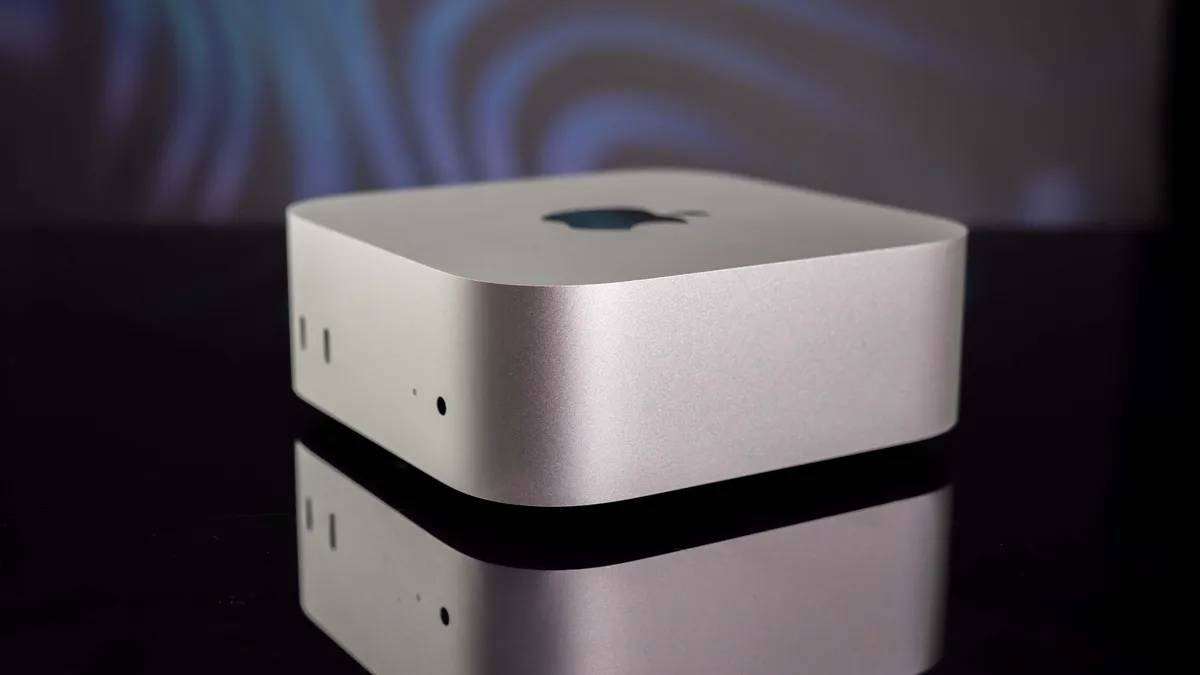
A tightening global memory market is emerging as a critical supply chain risk for the technology sector, with potential disruptions to Apple’s Mac production. The escalating RAM shortage signals structural stress across semiconductor supply chains, raising concerns for manufacturers, enterprise buyers, and global PC markets dependent on high-performance computing hardware.
The global RAM shortage is increasingly affecting major technology manufacturers, with Apple’s Mac product line identified as potentially vulnerable. Rising demand for memory chips, driven by artificial intelligence infrastructure and data center expansion, is constraining supply availability across the PC ecosystem.
Apple, alongside other OEMs, relies heavily on stable DRAM supply for its Mac devices. The tightening market has created pricing pressure and allocation challenges among semiconductor suppliers. Industry stakeholders include memory chip producers, cloud computing firms, and PC manufacturers competing for limited high-bandwidth memory resources. The situation is expected to intensify as AI workloads continue to accelerate global memory consumption.
The RAM shortage is unfolding within a broader semiconductor cycle increasingly shaped by artificial intelligence demand. Unlike previous supply constraints driven by consumer electronics cycles, the current disruption is being fueled by hyperscale data centers and AI model training infrastructure requiring significantly higher memory bandwidth.
The development aligns with a broader trend across global markets where AI-driven compute demand is reshaping semiconductor allocation priorities. Historically, memory markets have been cyclical, with periods of oversupply followed by sharp corrections. However, the current cycle is structurally different due to sustained AI investment and long-term infrastructure buildouts.
Apple’s Mac lineup, which depends on high-performance unified memory architecture, is particularly exposed to fluctuations in DRAM availability. As competition for advanced memory intensifies, PC manufacturers may face delayed production cycles and rising input costs across premium device segments.
Industry analysts suggest that the RAM supply imbalance is not a short-term disruption but a multi-year structural shift driven by AI compute expansion. Experts note that companies like Apple are increasingly competing with cloud providers and AI platform operators for the same memory resources.
Analysts highlight that the prioritization of AI infrastructure is reshaping semiconductor supply allocation, with high-bandwidth memory increasingly diverted toward data center applications. This creates downstream pressure on consumer electronics manufacturers.
Market observers also warn that pricing volatility in DRAM markets could force OEMs to adjust product pricing or delay launches. While Apple is generally considered resilient due to its supply chain leverage, analysts caution that even large-scale buyers are not immune to prolonged supply constraints in strategically critical components.
For businesses, the RAM shortage introduces cost pressure and potential production bottlenecks across the PC and laptop ecosystem, including Apple’s Mac portfolio. Enterprises relying on device refresh cycles may face procurement delays or higher pricing for premium hardware.
Investors are likely to reassess semiconductor and PC manufacturers based on exposure to memory supply constraints and AI-driven demand competition. The imbalance may also reinforce pricing power for leading memory chip producers.
From a policy perspective, the concentration of semiconductor supply chains and AI-driven resource allocation raises strategic concerns for governments focused on technology sovereignty and supply chain resilience. Incentives for domestic memory production may gain renewed attention.
Looking ahead, the RAM shortage is expected to persist as AI infrastructure continues to expand globally. The performance of Apple’s Mac supply chain will depend on long-term memory contract stability and supplier diversification. Decision-makers should monitor DRAM pricing trends, AI data center expansion rates, and semiconductor capacity investments. The key uncertainty remains whether new fabrication capacity can scale quickly enough to balance AI-driven demand.
Source: CNET
Date: April 2026


