
OpenAI Flags Alleged Distillation by China DeepSeek

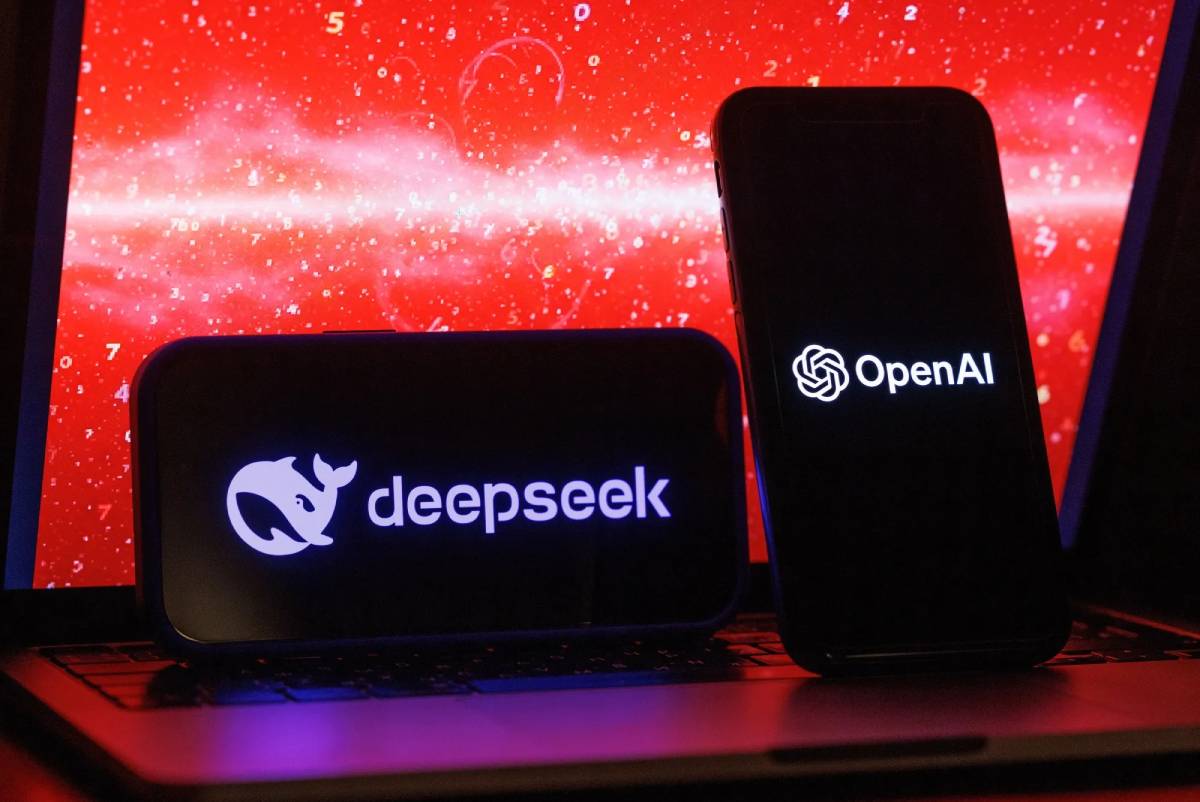
According to reports, OpenAI circulated a memo alleging that DeepSeek used “model distillation” techniques to train its artificial intelligence systems by leveraging outputs from US-developed models.

February 24, 2026
|

A fresh flashpoint has emerged in the global AI race after OpenAI alleged that China-based DeepSeek trained its models by distilling outputs from leading US systems. The claim, revealed in a memo, heightens tensions over intellectual property, competitive advantage, and technology governance amid intensifying US-China rivalry.

Model distillation typically involves training a smaller or separate model using the outputs of a more advanced system. OpenAI’s concerns center on whether such practices violate usage policies or intellectual property norms.

The allegations surface at a time when US regulators are tightening export controls on advanced AI chips and scrutinizing cross-border technology flows. DeepSeek has emerged as a significant player in China’s fast-growing AI ecosystem, adding geopolitical weight to the dispute.

The development underscores rising friction over competitive practices in frontier AI development. The development aligns with a broader trend across global markets where AI capabilities are increasingly viewed as strategic national assets. The United States has implemented export controls targeting advanced semiconductor technologies, aiming to limit China’s access to cutting-edge AI hardware.

China, in turn, has accelerated domestic AI innovation, investing heavily in homegrown models and research capabilities. Competition has intensified not only in chips but also in training data, algorithms, and model performance.

Model distillation itself is a recognized machine learning technique, often used to optimize performance and reduce computational costs. However, questions arise when proprietary or restricted systems are used as training sources.

For executives and policymakers, the dispute highlights the blurred boundaries between open innovation, competitive intelligence, and intellectual property enforcement in a rapidly evolving AI ecosystem.

Technology policy analysts note that the controversy could test enforcement mechanisms around AI model usage terms. While distillation is technically common, the legality and ethics depend on how outputs were obtained and whether contractual agreements were breached.

Industry observers argue that as AI models become more accessible through APIs, safeguarding proprietary capabilities grows increasingly complex. Some experts suggest that clearer international norms may be required to govern cross-border AI training practices.

Geopolitical analysts warn that allegations of improper model use could reinforce arguments in Washington for stricter export controls and tighter oversight of AI partnerships.

At the same time, legal experts caution that proving misuse in AI model training can be technically challenging, potentially complicating enforcement and diplomatic responses.

For global executives, the dispute signals rising compliance risks in AI development and partnerships. Companies may need to reassess how they access, integrate, and train models particularly when operating across jurisdictions.

Investors could interpret escalating tensions as a sign of deeper technological decoupling between the US and China, affecting supply chains and market access.

From a policy perspective, the allegations may accelerate efforts to establish clearer AI governance frameworks, including licensing, usage monitoring, and intellectual property protections.

For enterprises adopting AI tools, due diligence around vendor practices and regulatory exposure may become increasingly critical. Attention will now focus on whether formal investigations or regulatory actions follow the allegations. Observers will watch for responses from Chinese authorities and potential tightening of US technology restrictions.

As AI competition intensifies, disputes over model training practices may become more frequent shaping the rules of engagement in the global AI economy.

Source: Reuters
Date: February 12, 2026

  • Featured tools
Wonder AI
Free

Wonder AI is a versatile AI-powered creative platform that generates text, images, and audio with minimal input, designed for fast storytelling, visual creation, and audio content generation

#
Art Generator
Learn more
Ai Fiesta
Paid

AI Fiesta is an all-in-one productivity platform that gives users access to multiple leading AI models through a single interface. It includes features like prompt enhancement, image generation, audio transcription and side-by-side model comparison.

#
Copywriting
#
Art Generator
Learn more

Learn more about future of AI

Join 80,000+ Ai enthusiast getting weekly updates on exciting AI tools.
Thank you! Your submission has been received!
Oops! Something went wrong while submitting the form.

OpenAI Flags Alleged Distillation by China DeepSeek

February 24, 2026

According to reports, OpenAI circulated a memo alleging that DeepSeek used “model distillation” techniques to train its artificial intelligence systems by leveraging outputs from US-developed models.

A fresh flashpoint has emerged in the global AI race after OpenAI alleged that China-based DeepSeek trained its models by distilling outputs from leading US systems. The claim, revealed in a memo, heightens tensions over intellectual property, competitive advantage, and technology governance amid intensifying US-China rivalry.

Model distillation typically involves training a smaller or separate model using the outputs of a more advanced system. OpenAI’s concerns center on whether such practices violate usage policies or intellectual property norms.

The allegations surface at a time when US regulators are tightening export controls on advanced AI chips and scrutinizing cross-border technology flows. DeepSeek has emerged as a significant player in China’s fast-growing AI ecosystem, adding geopolitical weight to the dispute.

The development underscores rising friction over competitive practices in frontier AI development. The development aligns with a broader trend across global markets where AI capabilities are increasingly viewed as strategic national assets. The United States has implemented export controls targeting advanced semiconductor technologies, aiming to limit China’s access to cutting-edge AI hardware.

China, in turn, has accelerated domestic AI innovation, investing heavily in homegrown models and research capabilities. Competition has intensified not only in chips but also in training data, algorithms, and model performance.

Model distillation itself is a recognized machine learning technique, often used to optimize performance and reduce computational costs. However, questions arise when proprietary or restricted systems are used as training sources.

For executives and policymakers, the dispute highlights the blurred boundaries between open innovation, competitive intelligence, and intellectual property enforcement in a rapidly evolving AI ecosystem.

Technology policy analysts note that the controversy could test enforcement mechanisms around AI model usage terms. While distillation is technically common, the legality and ethics depend on how outputs were obtained and whether contractual agreements were breached.

Industry observers argue that as AI models become more accessible through APIs, safeguarding proprietary capabilities grows increasingly complex. Some experts suggest that clearer international norms may be required to govern cross-border AI training practices.

Geopolitical analysts warn that allegations of improper model use could reinforce arguments in Washington for stricter export controls and tighter oversight of AI partnerships.

At the same time, legal experts caution that proving misuse in AI model training can be technically challenging, potentially complicating enforcement and diplomatic responses.

For global executives, the dispute signals rising compliance risks in AI development and partnerships. Companies may need to reassess how they access, integrate, and train models particularly when operating across jurisdictions.

Investors could interpret escalating tensions as a sign of deeper technological decoupling between the US and China, affecting supply chains and market access.

From a policy perspective, the allegations may accelerate efforts to establish clearer AI governance frameworks, including licensing, usage monitoring, and intellectual property protections.

For enterprises adopting AI tools, due diligence around vendor practices and regulatory exposure may become increasingly critical. Attention will now focus on whether formal investigations or regulatory actions follow the allegations. Observers will watch for responses from Chinese authorities and potential tightening of US technology restrictions.

As AI competition intensifies, disputes over model training practices may become more frequent shaping the rules of engagement in the global AI economy.

Source: Reuters
Date: February 12, 2026

Promote Your Tool

Copy Embed Code

Similar Blogs

March 6, 2026
|

Thoughtly Launches No Code AI Phone Agents for Automation

Thoughtly’s launch aligns with a global trend toward AI-driven enterprise automation and intelligent customer engagement. As businesses grapple with rising operational costs and the need for 24/7 customer support.
Read more
March 6, 2026
|

Broadcom Rises on CEO Optimism for AI Growth

Broadcom shares rallied sharply after CEO Hock Tan outlined a robust outlook for AI-driven demand in the semiconductor sector.
Read more
March 6, 2026
|

Alibaba Surges in AI Commerce, Outpaces Amazon OpenAI

Alibaba has rolled out AI-powered features across its e-commerce platforms, including smart product recommendations, automated customer support, and dynamic pricing engines.
Read more
March 6, 2026
|

ByteDance AI Ambitions Hindered by Compute, Copyright Limits

ByteDance, the Chinese tech powerhouse behind TikTok, faces mounting obstacles in its AI expansion as limited access to high-performance computing and ongoing copyright disputes slow its ambitions.
Read more
March 6, 2026
|

Donald Trump Anthropic Clash Threatens United States AI Strategy

The conflict centers on disagreements between the administration of Donald Trump and leading AI firm Anthropic over safety restrictions embedded in advanced AI systems.
Read more
March 6, 2026
|

United States Weighs Global AI Chip Export Rules for Nvidia, AMD

US officials are reportedly drafting new regulations that would expand government oversight of global sales of advanced artificial intelligence chips produced by leading semiconductor firms such as Nvidia and AMD.
Read more