



A major strategic technology shift is unfolding in South Korea as government leaders intensify efforts to establish a competitive advantage in “physical AI” the convergence of artificial intelligence with robotics and industrial automation. The initiative signals growing geopolitical competition over next-generation manufacturing, autonomous systems, and advanced semiconductor-driven AI infrastructure.
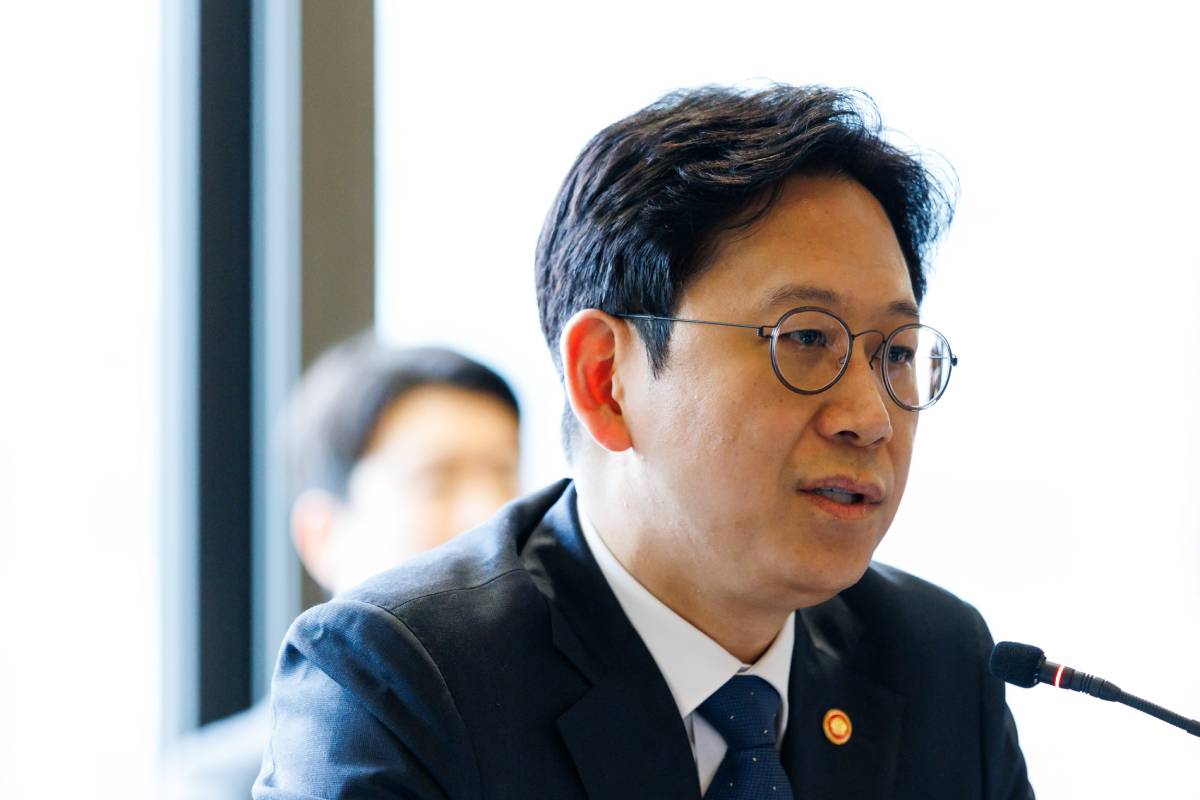
Senior officials in South Korea, including the deputy prime minister, have emphasized the country’s ambition to become a leading force in physical AI technologies. The strategy focuses on integrating AI systems with robotics, autonomous machinery, and smart industrial infrastructure.
The initiative is expected to leverage South Korea’s existing strengths in semiconductors, electronics manufacturing, and industrial robotics. Policymakers are framing physical AI as a long-term national competitiveness issue, particularly as countries including the United States and China accelerate investment in AI-driven manufacturing ecosystems. The move comes amid intensifying global efforts to secure technological leadership in automation, advanced chips, and AI-enabled industrial productivity.
The push by South Korea into physical AI aligns with a broader global transition from software-centric AI toward embodied intelligence systems capable of interacting with physical environments. While generative AI has dominated recent investment cycles, governments and corporations are increasingly prioritizing robotics, industrial automation, and autonomous mobility as the next frontier of AI commercialization.
South Korea enters this race with significant structural advantages. The country is home to major semiconductor and electronics firms, advanced manufacturing infrastructure, and one of the world’s most automated industrial economies. Historically, South Korea has relied heavily on export-driven industrial growth, making technological leadership critical to long-term economic resilience.
The initiative also reflects geopolitical concerns surrounding supply-chain security and industrial competitiveness, particularly as global powers compete to dominate AI infrastructure, robotics ecosystems, and high-performance chip manufacturing capabilities.
According to remarks highlighted in the CNBC report, officials in South Korea view physical AI as a strategic opportunity to strengthen national competitiveness across multiple industrial sectors.
Technology analysts suggest that physical AI could become the defining industrial transformation of the next decade, particularly in logistics, manufacturing, healthcare robotics, and autonomous transportation. Experts note that South Korea’s vertically integrated technology ecosystem provides a strong foundation for scaling such systems commercially.
Industry observers also argue that the race for physical AI leadership will increasingly depend on semiconductor access, edge computing capabilities, and robotics software integration. Analysts highlight that countries capable of combining AI computation with industrial manufacturing expertise may gain disproportionate economic influence in future global supply chains.
However, experts caution that large-scale deployment will require substantial investment in workforce adaptation, cybersecurity standards, and AI safety governance frameworks.
For multinational corporations, South Korea’s physical AI strategy signals growing opportunities in robotics supply chains, industrial automation, and semiconductor-driven AI infrastructure.
Manufacturers may increasingly shift investment toward AI-enabled factories and autonomous operational systems to improve productivity and reduce labor dependency. Investors are also likely to monitor South Korean firms positioned within robotics, chips, and AI hardware ecosystems.
From a policy perspective, the development intensifies global competition over industrial AI leadership. Governments may accelerate incentives for domestic semiconductor production, robotics research, and AI commercialization. The initiative could also influence international discussions around AI regulation, industrial standards, and supply-chain resilience in advanced technology sectors.
Looking ahead, the success of South Korea’s physical AI ambitions will depend on execution across semiconductor innovation, robotics integration, and industrial deployment speed. Policymakers and business leaders will closely watch public-private investment frameworks, global chip market dynamics, and emerging international AI standards. As physical AI moves from research into large-scale commercial adoption, the competition for technological leadership is expected to intensify significantly over the coming decade.
Source: CNBC
Date: May 26, 2026


