
NYC Schools Restrict AI Use in Core Decisions

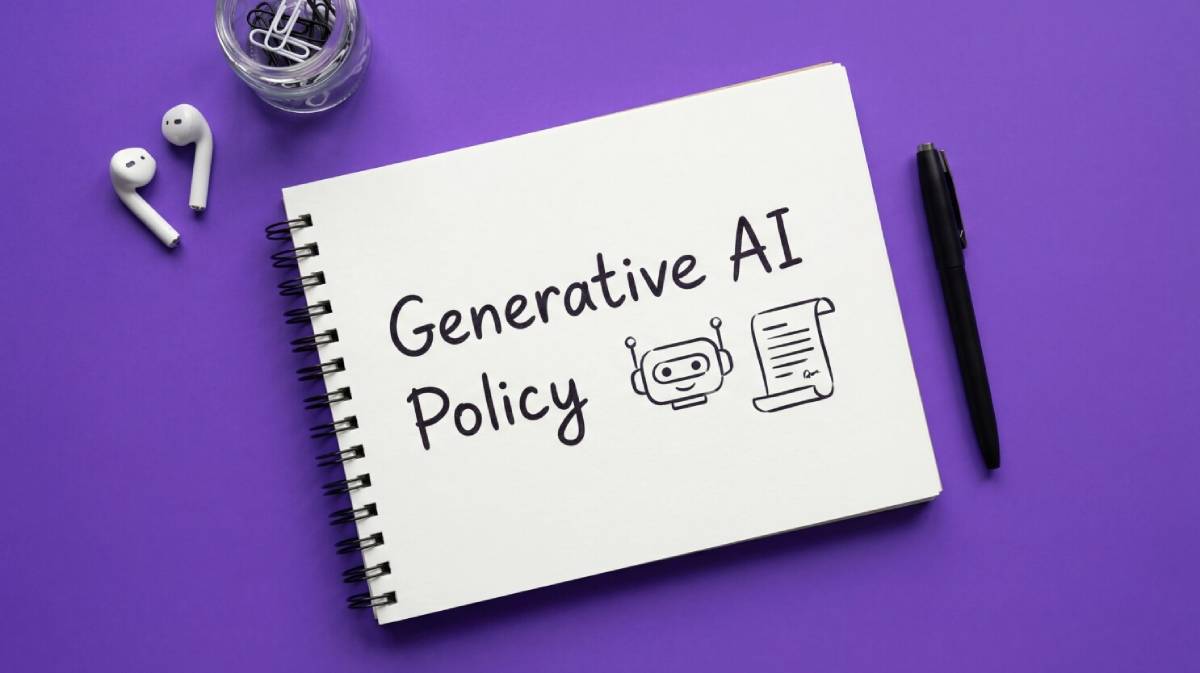
New York City schools have formally restricted the use of AI in critical decision-making processes, including grading, disciplinary actions, and Individualized Education Programs (IEPs).

March 26, 2026
|
Image source: Shutterstock

A major development unfolded as New York City Department of Education moved to prohibit the use of AI tools and platforms in grading, student discipline, and special education decisions. The policy signals growing regulatory caution around AI in high-stakes environments, with implications for education systems, edtech firms, and policymakers worldwide.

New York City schools have formally restricted the use of AI in critical decision-making processes, including grading, disciplinary actions, and Individualized Education Programs (IEPs). The policy aims to ensure that sensitive student outcomes remain under human oversight.

The guidelines clarify that while AI tools may support administrative or instructional functions, they cannot replace human judgment in areas with significant academic or legal consequences.

The decision reflects concerns around bias, accuracy, and accountability in AI systems. Stakeholders include educators, students, parents, edtech providers, and regulators. The move positions NYC as a leading jurisdiction in defining boundaries for AI adoption in public education systems.

The development aligns with a broader trend across global markets where governments and institutions are setting guardrails for AI deployment in sensitive sectors. Education, like healthcare and finance, involves high-stakes decisions that directly impact individuals’ futures, making it a focal point for regulatory scrutiny.

AI tools and platforms have rapidly entered classrooms, offering capabilities such as automated grading, personalized learning, and administrative support. However, concerns about algorithmic bias, lack of transparency, and potential misuse have prompted calls for stricter oversight.

In the United States and beyond, policymakers are increasingly emphasizing “human-in-the-loop” models, ensuring that AI augments rather than replaces human decision-making. NYC’s policy reflects this cautious approach, balancing innovation with ethical and legal responsibilities in education.

Education experts widely support the decision to limit AI’s role in high-stakes processes, emphasizing the importance of human judgment in nuanced scenarios. Analysts note that grading, discipline, and special education decisions require contextual understanding that AI systems may not reliably provide.

Technology policy experts highlight that the move addresses key risks, including bias in training data and lack of explainability in AI outputs. Ensuring fairness and accountability is critical, particularly in diverse school systems.

Edtech industry leaders acknowledge the need for clear guidelines but caution against overly restrictive policies that could slow innovation. They advocate for frameworks that allow responsible experimentation while protecting student rights.

Overall, experts view NYC’s decision as a potential model for other jurisdictions grappling with the integration of AI tools in education. For edtech companies, the policy signals a shift toward stricter compliance requirements and clearer limitations on AI applications. Firms may need to redesign products to emphasize support functions rather than decision-making roles.

Investors could see increased regulatory risk in AI-driven education solutions, particularly those targeting core academic or administrative functions. At the same time, opportunities may emerge in areas aligned with approved use cases.

From a policy perspective, the move reinforces the importance of governance frameworks for AI tools and platforms. Governments worldwide may adopt similar measures, prioritizing transparency, accountability, and human oversight in critical sectors.

Looking ahead, the debate over AI’s role in education is expected to intensify as adoption grows. Policymakers will likely refine guidelines to balance innovation with ethical safeguards.

Decision-makers should monitor how other jurisdictions respond and whether standardized regulations emerge. The trajectory suggests a future where AI tools are widely used in education but within clearly defined boundaries that preserve human authority in critical decisions.

Source: GovTech
Date: March 2026

  • Featured tools
Ai Fiesta
Paid

AI Fiesta is an all-in-one productivity platform that gives users access to multiple leading AI models through a single interface. It includes features like prompt enhancement, image generation, audio transcription and side-by-side model comparison.

#
Copywriting
#
Art Generator
Learn more
Hostinger Horizons
Freemium

Hostinger Horizons is an AI-powered platform that allows users to build and deploy custom web applications without writing code. It packs hosting, domain management and backend integration into a unified tool for rapid app creation.

#
Startup Tools
#
Coding
#
Project Management
Learn more

Learn more about future of AI

Join 80,000+ Ai enthusiast getting weekly updates on exciting AI tools.
Thank you! Your submission has been received!
Oops! Something went wrong while submitting the form.

NYC Schools Restrict AI Use in Core Decisions

March 26, 2026

New York City schools have formally restricted the use of AI in critical decision-making processes, including grading, disciplinary actions, and Individualized Education Programs (IEPs).

Image source: Shutterstock

A major development unfolded as New York City Department of Education moved to prohibit the use of AI tools and platforms in grading, student discipline, and special education decisions. The policy signals growing regulatory caution around AI in high-stakes environments, with implications for education systems, edtech firms, and policymakers worldwide.

New York City schools have formally restricted the use of AI in critical decision-making processes, including grading, disciplinary actions, and Individualized Education Programs (IEPs). The policy aims to ensure that sensitive student outcomes remain under human oversight.

The guidelines clarify that while AI tools may support administrative or instructional functions, they cannot replace human judgment in areas with significant academic or legal consequences.

The decision reflects concerns around bias, accuracy, and accountability in AI systems. Stakeholders include educators, students, parents, edtech providers, and regulators. The move positions NYC as a leading jurisdiction in defining boundaries for AI adoption in public education systems.

The development aligns with a broader trend across global markets where governments and institutions are setting guardrails for AI deployment in sensitive sectors. Education, like healthcare and finance, involves high-stakes decisions that directly impact individuals’ futures, making it a focal point for regulatory scrutiny.

AI tools and platforms have rapidly entered classrooms, offering capabilities such as automated grading, personalized learning, and administrative support. However, concerns about algorithmic bias, lack of transparency, and potential misuse have prompted calls for stricter oversight.

In the United States and beyond, policymakers are increasingly emphasizing “human-in-the-loop” models, ensuring that AI augments rather than replaces human decision-making. NYC’s policy reflects this cautious approach, balancing innovation with ethical and legal responsibilities in education.

Education experts widely support the decision to limit AI’s role in high-stakes processes, emphasizing the importance of human judgment in nuanced scenarios. Analysts note that grading, discipline, and special education decisions require contextual understanding that AI systems may not reliably provide.

Technology policy experts highlight that the move addresses key risks, including bias in training data and lack of explainability in AI outputs. Ensuring fairness and accountability is critical, particularly in diverse school systems.

Edtech industry leaders acknowledge the need for clear guidelines but caution against overly restrictive policies that could slow innovation. They advocate for frameworks that allow responsible experimentation while protecting student rights.

Overall, experts view NYC’s decision as a potential model for other jurisdictions grappling with the integration of AI tools in education. For edtech companies, the policy signals a shift toward stricter compliance requirements and clearer limitations on AI applications. Firms may need to redesign products to emphasize support functions rather than decision-making roles.

Investors could see increased regulatory risk in AI-driven education solutions, particularly those targeting core academic or administrative functions. At the same time, opportunities may emerge in areas aligned with approved use cases.

From a policy perspective, the move reinforces the importance of governance frameworks for AI tools and platforms. Governments worldwide may adopt similar measures, prioritizing transparency, accountability, and human oversight in critical sectors.

Looking ahead, the debate over AI’s role in education is expected to intensify as adoption grows. Policymakers will likely refine guidelines to balance innovation with ethical safeguards.

Decision-makers should monitor how other jurisdictions respond and whether standardized regulations emerge. The trajectory suggests a future where AI tools are widely used in education but within clearly defined boundaries that preserve human authority in critical decisions.

Source: GovTech
Date: March 2026

Promote Your Tool

Copy Embed Code

Similar Blogs

March 26, 2026
|

FDA Scrutinizes AI Model Migration Over Compliance Risks

Elsa, the FDA’s internal AI tool used to assist in reviewing clinical trial documents, protocols, and regulatory submissions, is undergoing a rapid model migration following federal directives restricting the use of Claude.
Read more
March 26, 2026
|

Google Unveils Vibe Coding XR for AI Prototyping

Vibe Coding XR enables rapid XR prototyping from textual prompts, integrating the capabilities of Gemini Canvas with XR Blocks’ modular, open-source framework. The tool primarily targets XR developers, enterprise innovation teams, and AI researchers.
Read more
March 26, 2026
|

AI Deepfake Surge Exposes Rising Cybersecurity Threat

Recent demonstrations of AI-powered deepfake tools reveal how cybercriminals can replicate voices, faces, and identities with near-perfect accuracy. These tools allow scammers to impersonate executives, bypass security systems, and manipulate financial transactions.
Read more
March 26, 2026
|

Meta Cuts Jobs to Fund AI Pivot

Meta has initiated another round of layoffs affecting hundreds of employees, as the company reallocates resources toward artificial intelligence initiatives.
Read more
March 26, 2026
|

Google Expands Lyria 3 Pro Across Platforms

Google introduced Lyria 3 Pro as an advanced AI music generation model capable of producing longer-form audio tracks with improved coherence and quality.
Read more
March 26, 2026
|

Reflection AI Targets $25B in Global AI Race

Reflection AI is reportedly pursuing a funding round that could value the company at approximately $25 billion, positioning it among the most valuable AI startups globally.
Read more