



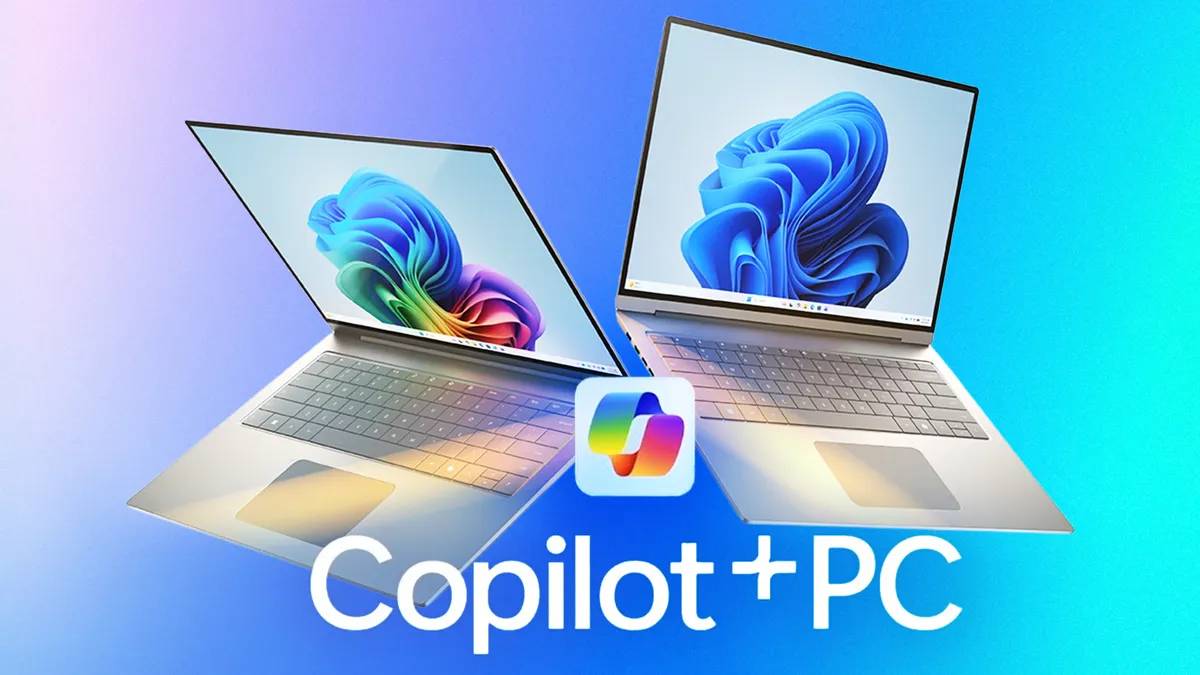
A new category of personal computing is emerging as Microsoft introduces Copilot+ PCs, positioning them as AI-native devices designed to fundamentally change how users interact with computers. The shift signals a broader transition in the PC industry toward on-device artificial intelligence, with implications for hardware manufacturers, software ecosystems, and enterprise computing strategies globally.
Copilot PCs are a new class of Windows-based devices designed to run advanced AI workloads locally using dedicated neural processing units. Unlike traditional PCs that rely heavily on cloud computing for AI tasks, these systems integrate hardware optimized for real-time AI functions such as summarization, image generation, and contextual assistance.
The rollout involves partnerships with major PC manufacturers and chipset providers. These devices are positioned as the next evolution of Windows computing, with enhanced performance, energy efficiency, and AI responsiveness. Key stakeholders include enterprise IT buyers, software developers, and global hardware vendors competing in the AI PC segment.
The development aligns with a broader trend across global markets where artificial intelligence is shifting from cloud-centric systems to hybrid and on-device architectures. This transition is being driven by the need for lower latency, improved privacy, and reduced dependency on continuous internet connectivity.
Historically, personal computing has evolved from standalone machines to cloud-integrated ecosystems. The emergence of AI-optimized hardware represents a structural shift similar to the rise of mobile computing or cloud-first enterprise strategies.
The competitive landscape is also intensifying, with chipmakers and operating system providers racing to define standards for AI-native PCs. This evolution reflects growing demand for devices capable of handling generative AI workloads locally, particularly in enterprise, creative, and productivity-focused environments.
Industry analysts view Copilot+ PCs as a strategic effort to reposition the personal computer as an AI-first productivity platform. Experts suggest that integrating neural processing units directly into hardware could significantly improve performance for AI-driven applications while reducing reliance on cloud infrastructure.
Technology strategists note that this shift may reshape the PC upgrade cycle, encouraging businesses to adopt newer devices capable of supporting AI workloads natively. However, concerns remain around software compatibility, security, and the real-world efficiency gains of on-device AI processing.
Market observers highlight that this move could intensify competition among PC manufacturers, particularly as differentiation increasingly depends on AI capabilities rather than traditional hardware specifications such as CPU speed or storage capacity.
For businesses, Copilot+ PCs may influence IT procurement strategies by prioritizing AI-capable hardware in workforce planning and digital transformation initiatives. Enterprises may need to reassess device lifecycles and software integration models to accommodate AI-native workflows.
For investors, the development signals a potential upgrade cycle in the global PC market, with renewed demand for AI-enabled hardware. From a policy standpoint, increased on-device AI processing may raise questions around data governance, security standards, and cross-border information processing. Regulators may increasingly focus on how AI computations are executed locally versus in the cloud, particularly in enterprise environments handling sensitive data.
The next phase of personal computing is likely to be defined by how effectively Copilot+ PCs deliver real-world productivity gains. Key factors to watch include enterprise adoption rates, software ecosystem readiness, and competitive responses from other operating system providers.
As AI becomes embedded at the hardware level, the distinction between traditional and intelligent computing devices is expected to narrow significantly over the coming product cycles.
Source: CNET
Date: 2026


