



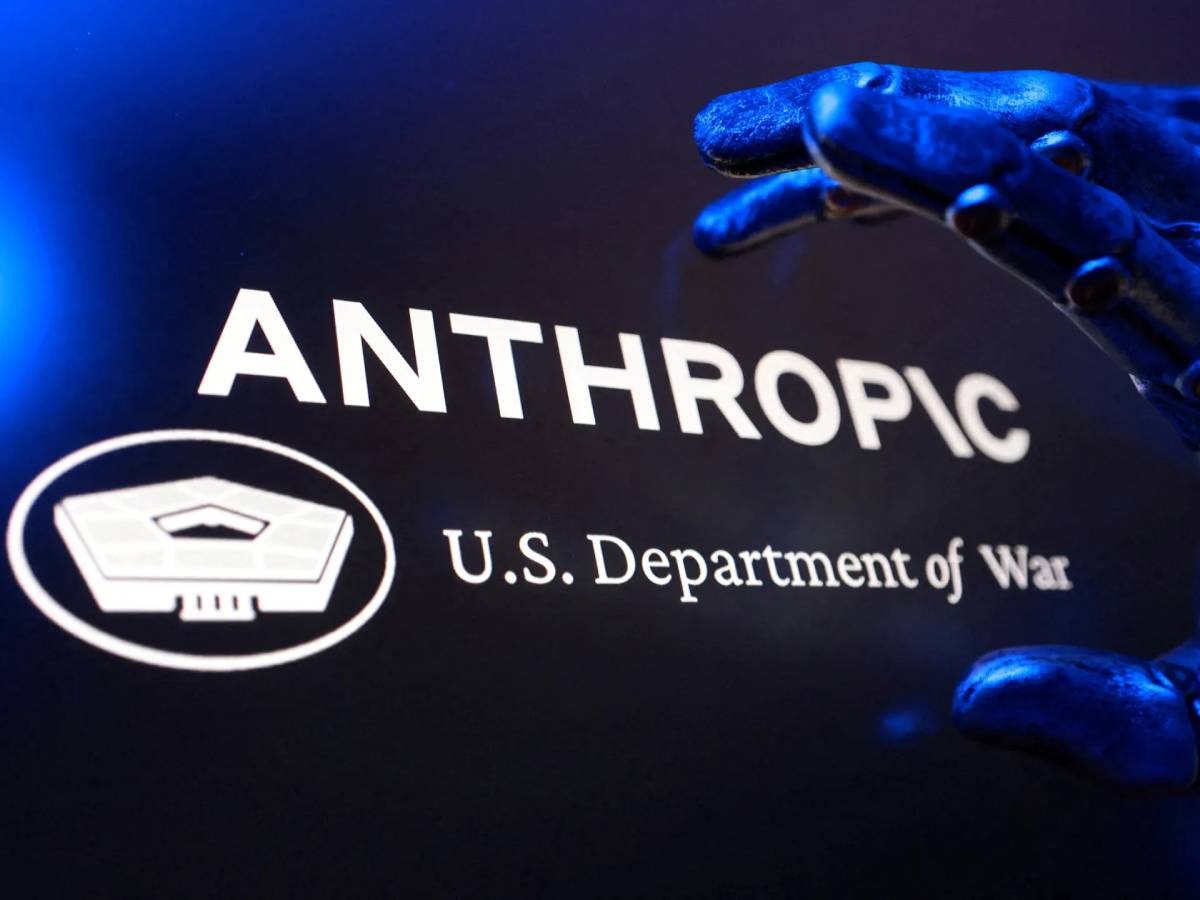
A major development unfolded as Anthropic challenges the U.S. Department of Defense over a “high-risk” supplier designation, signaling a potential turning point in AI governance. The case could reshape regulatory frameworks, influencing how AI tools and platforms are evaluated, deployed, and trusted across government and commercial sectors.
Anthropic has filed legal action contesting its classification as a supply-chain risk by the Pentagon, arguing that the designation is unjustified and damaging to its reputation and business prospects. The label could restrict the company’s ability to secure government contracts and partnerships.
The dispute centers on how AI companies are assessed for national security risks, particularly in sensitive sectors. The timeline includes ongoing legal proceedings, with outcomes expected to influence federal procurement policies.
Key stakeholders include AI firms, defense agencies, policymakers, and enterprise clients. The case highlights tensions between innovation and security, as governments seek to regulate rapidly advancing AI platforms while maintaining technological leadership.
The development aligns with a broader trend across global markets where governments are intensifying scrutiny of AI technologies, particularly those with potential national security implications. As AI tools become integral to defense, intelligence, and critical infrastructure, regulatory frameworks are evolving to address risks related to data security, reliability, and supply chains.
Historically, technology companies have faced similar scrutiny in sectors such as telecommunications and semiconductors, where geopolitical considerations influence market access. The Anthropic case reflects growing complexity in balancing innovation with risk management.
For executives and policymakers, the dispute underscores the importance of clear and consistent standards for evaluating AI platforms. The outcome could set precedents for how governments classify and engage with AI providers, shaping the competitive landscape and regulatory environment for the industry.
Legal and technology experts suggest that the case could establish important precedents for AI regulation and procurement standards. Analysts note that if Anthropic successfully challenges the designation, it may lead to greater transparency and accountability in how governments assess AI companies.
Conversely, experts emphasize that governments must retain the ability to identify and mitigate potential risks, particularly in defense-related applications. Striking the right balance between oversight and innovation remains a central challenge.
Industry observers highlight that the case reflects broader concerns about fairness and consistency in regulatory decisions. Companies developing AI tools and platforms may seek clearer guidelines to ensure compliance and avoid reputational damage. The outcome is likely to influence both public-sector partnerships and private-sector confidence in regulatory frameworks.
For businesses, the case highlights the importance of regulatory positioning and risk management when developing and deploying AI platforms. Companies may need to invest in compliance, transparency, and security measures to meet government standards.
Investors could view the outcome as a signal of regulatory stability or uncertainty, influencing funding decisions and valuations in the AI sector. Markets may favor companies that demonstrate strong governance and alignment with policy expectations.
For policymakers, the dispute underscores the need for clear, consistent, and fair regulatory frameworks. Governments may refine procurement policies and risk assessment criteria to balance national security with innovation and competition in AI tools and platforms.
Looking ahead, the legal proceedings will be closely watched as a potential benchmark for AI regulation and government engagement. Stakeholders should monitor court decisions, policy responses, and industry reactions.
The case could shape how AI companies navigate regulatory environments globally, influencing strategies for compliance, partnerships, and market expansion as governments continue to define the rules governing AI platforms.
Source: Al Jazeera
Date: March 25, 2026


