
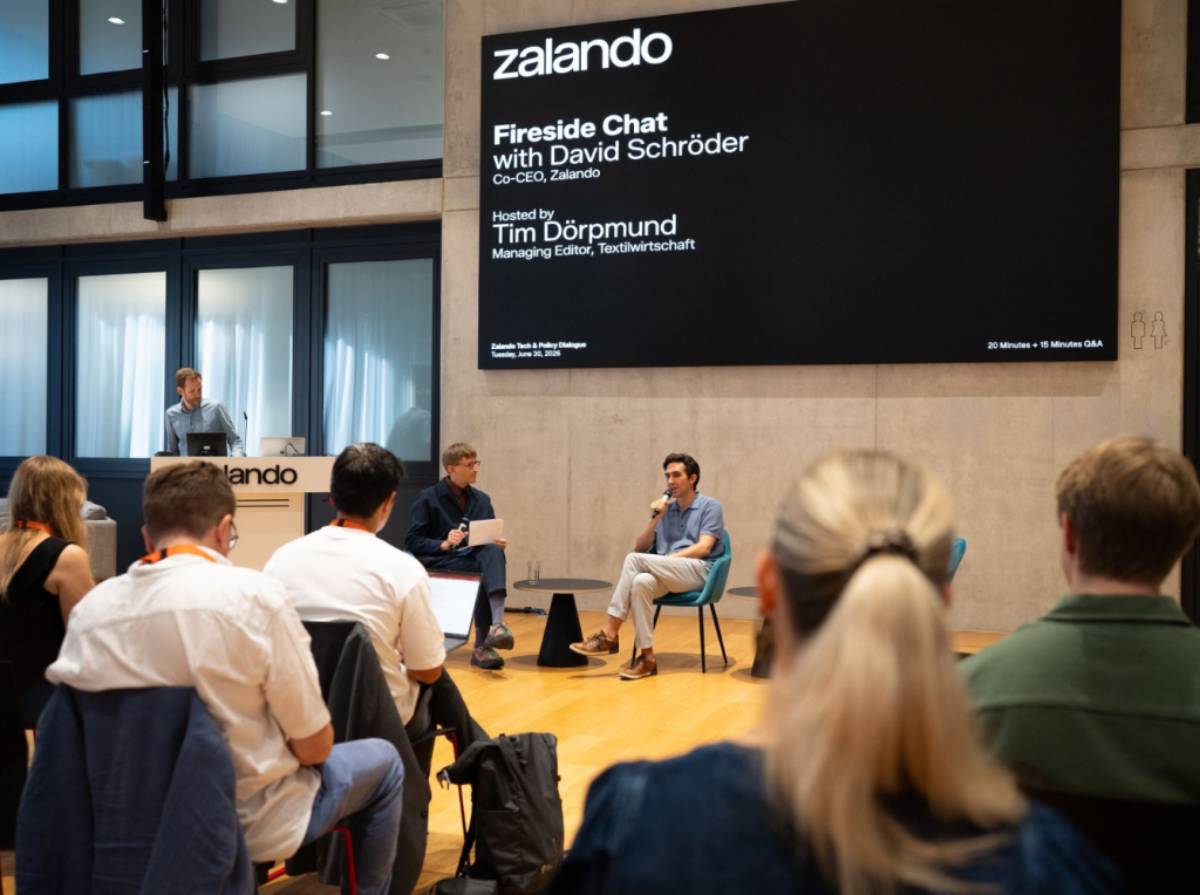
Zalando Accelerates European Retail Dominance

Zalando is pursuing an ambitious long-term strategy focused on expanding beyond online fashion retail into a comprehensive digital commerce ecosystem.

July 13, 2026
|
Image Source: Silicon Luxembourg

European e-commerce leader Zalando is intensifying its strategy to strengthen its position as the region’s leading digital retail platform. Through expanded marketplace services, logistics capabilities, and technology investments, the company aims to reshape European retail, influencing brands, consumers, investors, and the broader competitive landscape across the continent.

Zalando is pursuing an ambitious long-term strategy focused on expanding beyond online fashion retail into a comprehensive digital commerce ecosystem. The company is investing in marketplace infrastructure, logistics networks, data-driven personalization, and technology solutions designed to support both consumers and retail partners.

The strategy emphasizes closer collaboration with fashion brands, improved customer experiences, and greater operational efficiency across European markets. Rather than operating solely as an online retailer, Zalando is positioning itself as a platform that enables brands to reach customers through integrated digital services.

The initiative reflects broader changes in European retail as companies compete through technology, logistics, and ecosystem partnerships. Europe’s retail industry is undergoing significant transformation as digital commerce continues reshaping consumer behavior. Online marketplaces have evolved beyond simple sales channels into technology platforms offering logistics, payments, marketing, customer analytics, and fulfillment services.

Competition has intensified as retailers invest heavily in artificial intelligence, automation, personalization, and supply chain optimization to improve customer engagement and profitability. Consumer expectations for faster delivery, seamless shopping experiences, and greater product availability continue driving innovation across the sector.

Zalando has emerged as one of Europe's largest digital fashion companies by combining marketplace capabilities with proprietary technology and logistics infrastructure. Its evolving strategy reflects a broader trend among major retail platforms seeking to build integrated ecosystems that connect brands, suppliers, logistics providers, and consumers within a unified digital environment.

Retail analysts believe platform-based business models will increasingly define the future of European commerce. Experts argue that companies capable of combining technology, logistics, customer data, and brand partnerships are better positioned to achieve sustainable long-term growth.

Industry observers note that Zalando's strategy aligns with wider market trends where retailers are diversifying revenue streams through platform services rather than relying solely on product sales. Expanding marketplace capabilities can improve scalability while creating stronger relationships with partner brands.

Experts also highlight that maintaining customer trust, operational efficiency, and regulatory compliance will remain critical as digital commerce platforms grow. Success will depend on balancing innovation with profitability while adapting to changing consumer expectations and increasing competition across European retail markets.

For retailers and consumer brands, Zalando's strategy signals increasing competition driven by digital platforms and integrated commerce ecosystems. Businesses may need to strengthen omnichannel strategies, invest in digital capabilities, and build closer partnerships with marketplace operators.

Investors will likely monitor platform expansion, profitability, customer growth, and operational efficiency as key indicators of long-term performance. Policymakers may continue evaluating competition, digital market regulation, consumer protection, and data governance as large online platforms expand their influence.

For executives, the evolution of European retail reinforces the importance of technology-enabled business models capable of delivering scalable growth and superior customer experiences.

Zalando’s expansion strategy is expected to intensify competition across Europe’s retail sector as digital platforms become increasingly central to commerce. Future success will depend on continued innovation, efficient logistics, profitable marketplace growth, and strong brand partnerships. Executives and investors should closely monitor how platform ecosystems reshape competitive dynamics and influence the future of European retail over the coming years.

Source: Silicon Luxembourg
Date: July 10, 2026

  • Featured tools
Scalenut AI
Free

Scalenut AI is an all-in-one SEO content platform that combines AI-driven writing, keyword research, competitor insights, and optimization tools to help you plan, create, and rank content.

#
SEO
Learn more
Symphony Ayasdi AI
Free

SymphonyAI Sensa is an AI-powered surveillance and financial crime detection platform that surfaces hidden risk behavior through explainable, AI-driven analytics.

#
Finance
Learn more

Learn more about future of AI

Join 80,000+ Ai enthusiast getting weekly updates on exciting AI tools.
Thank you! Your submission has been received!
Oops! Something went wrong while submitting the form.

Zalando Accelerates European Retail Dominance

July 13, 2026

Zalando is pursuing an ambitious long-term strategy focused on expanding beyond online fashion retail into a comprehensive digital commerce ecosystem.

Image Source: Silicon Luxembourg

European e-commerce leader Zalando is intensifying its strategy to strengthen its position as the region’s leading digital retail platform. Through expanded marketplace services, logistics capabilities, and technology investments, the company aims to reshape European retail, influencing brands, consumers, investors, and the broader competitive landscape across the continent.

Zalando is pursuing an ambitious long-term strategy focused on expanding beyond online fashion retail into a comprehensive digital commerce ecosystem. The company is investing in marketplace infrastructure, logistics networks, data-driven personalization, and technology solutions designed to support both consumers and retail partners.

The strategy emphasizes closer collaboration with fashion brands, improved customer experiences, and greater operational efficiency across European markets. Rather than operating solely as an online retailer, Zalando is positioning itself as a platform that enables brands to reach customers through integrated digital services.

The initiative reflects broader changes in European retail as companies compete through technology, logistics, and ecosystem partnerships. Europe’s retail industry is undergoing significant transformation as digital commerce continues reshaping consumer behavior. Online marketplaces have evolved beyond simple sales channels into technology platforms offering logistics, payments, marketing, customer analytics, and fulfillment services.

Competition has intensified as retailers invest heavily in artificial intelligence, automation, personalization, and supply chain optimization to improve customer engagement and profitability. Consumer expectations for faster delivery, seamless shopping experiences, and greater product availability continue driving innovation across the sector.

Zalando has emerged as one of Europe's largest digital fashion companies by combining marketplace capabilities with proprietary technology and logistics infrastructure. Its evolving strategy reflects a broader trend among major retail platforms seeking to build integrated ecosystems that connect brands, suppliers, logistics providers, and consumers within a unified digital environment.

Retail analysts believe platform-based business models will increasingly define the future of European commerce. Experts argue that companies capable of combining technology, logistics, customer data, and brand partnerships are better positioned to achieve sustainable long-term growth.

Industry observers note that Zalando's strategy aligns with wider market trends where retailers are diversifying revenue streams through platform services rather than relying solely on product sales. Expanding marketplace capabilities can improve scalability while creating stronger relationships with partner brands.

Experts also highlight that maintaining customer trust, operational efficiency, and regulatory compliance will remain critical as digital commerce platforms grow. Success will depend on balancing innovation with profitability while adapting to changing consumer expectations and increasing competition across European retail markets.

For retailers and consumer brands, Zalando's strategy signals increasing competition driven by digital platforms and integrated commerce ecosystems. Businesses may need to strengthen omnichannel strategies, invest in digital capabilities, and build closer partnerships with marketplace operators.

Investors will likely monitor platform expansion, profitability, customer growth, and operational efficiency as key indicators of long-term performance. Policymakers may continue evaluating competition, digital market regulation, consumer protection, and data governance as large online platforms expand their influence.

For executives, the evolution of European retail reinforces the importance of technology-enabled business models capable of delivering scalable growth and superior customer experiences.

Zalando’s expansion strategy is expected to intensify competition across Europe’s retail sector as digital platforms become increasingly central to commerce. Future success will depend on continued innovation, efficient logistics, profitable marketplace growth, and strong brand partnerships. Executives and investors should closely monitor how platform ecosystems reshape competitive dynamics and influence the future of European retail over the coming years.

Source: Silicon Luxembourg
Date: July 10, 2026

Promote Your Tool

Copy Embed Code

Similar Blogs

July 13, 2026
|

Realm Raises €3.8M AI Sales Transformation

Realm has secured €3.8 million in funding to develop an AI platform designed specifically for enterprise sales teams.
Read more
July 13, 2026
|

Flare Raises €3.6M AI Trust Infrastructure

Flare has secured €3.6 million in new funding to advance its mission of creating trust infrastructure for the AI internet. The company is focused on solving a critical challenge: ensuring that AI agents, platforms, and digital services can interact securely and verify information reliably.
Read more
July 13, 2026
|

NIS2 Deadline Drives Cyber Defence

Under the NIS2 framework, organisations operating in essential and important sectors must identify whether they fall within the scope of the regulation and complete self-registration with the ILR.
Read more
July 13, 2026
|

Tech Visionaries Revive Futuristic Transformation Dreams

The analysis explores parallels between contemporary technology entrepreneurs, including figures such as Elon Musk, and historical futurist thinkers who envisioned radical societal change through technological progress.
Read more
July 13, 2026
|

Arca Properties Redefines Trusted Hospitality

Arca Properties has positioned itself within Luxembourg’s evolving property and hospitality ecosystem by offering short-term rental solutions built around professional management and customer relationships.
Read more
July 13, 2026
|

Dynaccurate Tackles Europe Medical Data

Dynaccurate is building technology designed to organize and harmonize fragmented healthcare data spread across hospitals, laboratories, clinics, and healthcare providers.
Read more