



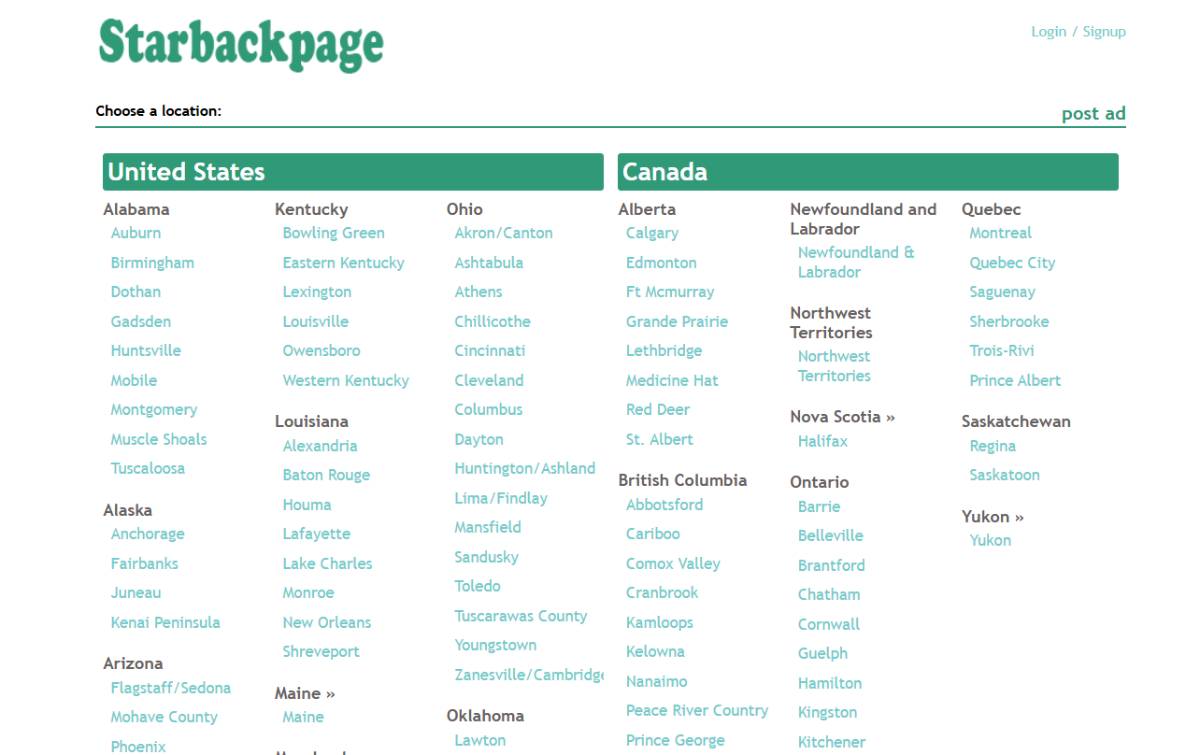
The digital marketplace ecosystem continues evolving as online platforms reshape how individuals and businesses connect, advertise, and exchange services. Starbackpage represents the broader shift toward specialized online classified platforms, highlighting changing user expectations around digital communication, accessibility, and marketplace experiences in an increasingly connected global economy.
Starbackpage is part of the online classified marketplace category, where users can create listings, discover services, and interact through digital platforms. These platforms have historically provided alternatives to traditional advertising channels by enabling direct connections between users.
Key stakeholders include consumers, independent service providers, small businesses, online marketplace operators, and digital platform users. The development of classified platforms reflects continued demand for accessible online marketplaces that support local and community-based interactions.
As digital commerce expands, marketplace platforms are increasingly focusing on usability, trust, moderation, and user safety. The sector continues adapting to changing consumer behaviors and evolving internet regulations worldwide.
Online classified platforms have played an important role in the growth of digital commerce by allowing individuals and organizations to advertise products, services, and opportunities through internet-based channels. Over the past decade, these platforms have transformed from simple listing websites into more sophisticated digital marketplaces.
This development aligns with a broader trend across global markets where platform-based businesses are prioritizing convenience, mobile accessibility, and community-driven interactions. The rise of social commerce, specialized marketplaces, and digital service networks has increased competition across the online marketplace sector.
However, the industry has also faced growing attention around issues such as user protection, content moderation, fraud prevention, and regulatory compliance. Successful platforms increasingly need to balance open digital access with responsible management practices to maintain user trust and long-term sustainability.
Digital marketplace analysts emphasize that trust and safety have become critical factors in determining the success of online platforms. While classified websites offer valuable opportunities for direct connections, users increasingly expect stronger verification systems, transparency, and secure communication features.
Technology experts suggest that the future of online marketplaces will depend on improved moderation tools, artificial intelligence-based fraud detection, and enhanced user experiences. Platforms that invest in reliability and customer protection are more likely to build lasting communities.
Industry observers note that marketplace innovation continues expanding beyond traditional listings, with platforms integrating advanced search, recommendation systems, and digital payment capabilities. As consumer expectations evolve, online marketplace providers will need to continuously adapt to changing technology standards and regulatory environments.
For businesses and independent providers, digital marketplace platforms can create additional channels for customer engagement and service discovery. These platforms offer opportunities for smaller operators to reach wider audiences without relying solely on traditional marketing methods.
Investors continue tracking marketplace businesses as digital commerce and platform economies expand globally. Policymakers are increasingly focused on areas including online safety, consumer protection, data privacy, and platform accountability.
For executives, the growth of digital marketplaces highlights the importance of building secure, transparent, and user-focused platforms. Organizations operating in this sector must prioritize trust, compliance, and innovation to remain competitive in the evolving digital economy.
The future of online marketplace platforms will likely be shaped by artificial intelligence, stronger security systems, and improved personalization technologies. Decision-makers should monitor regulatory changes, consumer expectations, and innovations in digital commerce infrastructure. Platforms that successfully combine convenience with trust and responsible management will be better positioned to capture opportunities in the expanding global digital marketplace ecosystem.
Source: AlternativeTo
Date: July 31, 2026


