
Deep Realms Advances Immersive Digital Experiences

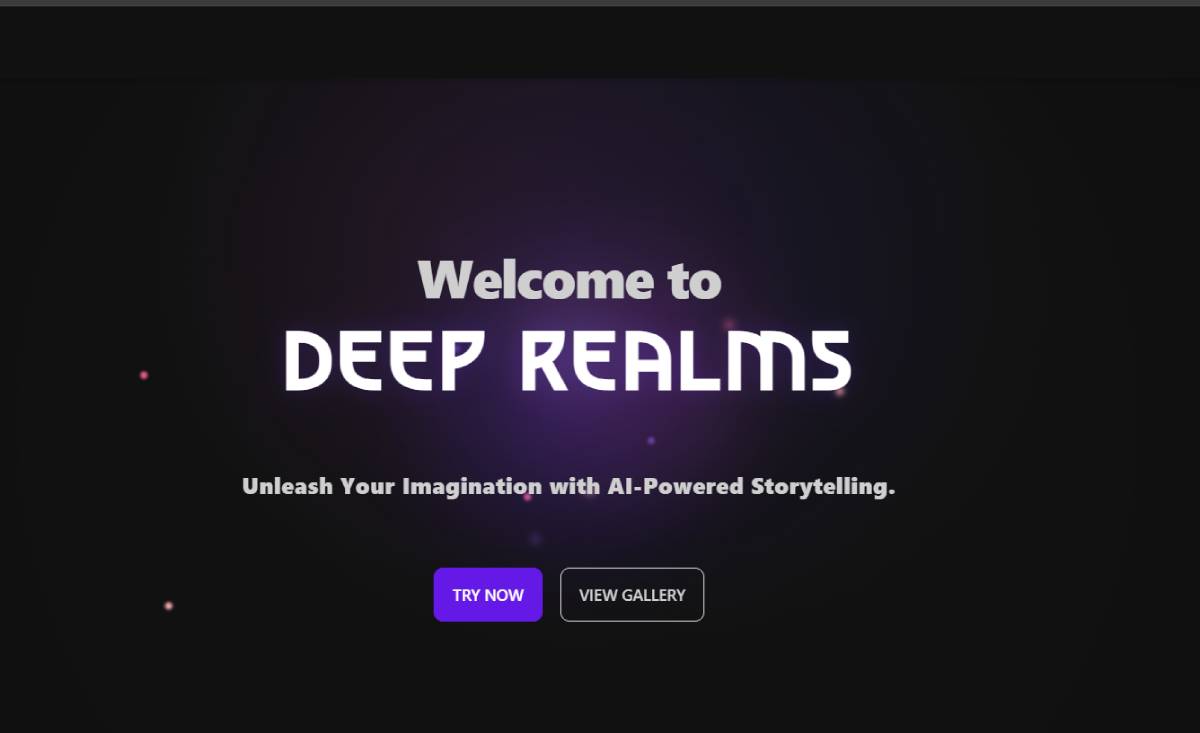
Deep Realms is positioned within the category of immersive digital experiences, offering users a platform focused on exploration, creativity, and interactive engagement.

July 31, 2026
|

The digital entertainment and interactive technology landscape continues advancing as immersive platforms redefine how users engage with virtual experiences. Deep Realms represents the growing interest in next-generation digital environments, highlighting broader industry efforts to combine creativity, technology, and user interaction in emerging spaces shaped by gaming, simulation, and virtual innovation.

Deep Realms is positioned within the category of immersive digital experiences, offering users a platform focused on exploration, creativity, and interactive engagement. Such platforms reflect the growing demand for technologies that provide more personalized and dynamic digital environments.

Key stakeholders include developers, content creators, technology companies, gaming communities, and users seeking new forms of entertainment and interaction. The rise of immersive platforms is connected to advancements in graphics technology, artificial intelligence, virtual environments, and user-generated content.

As digital experiences become more sophisticated, companies are increasingly exploring ways to create engaging ecosystems that combine entertainment, creativity, and social interaction while adapting to evolving consumer expectations.

The global digital experience industry has undergone significant transformation as advances in computing power, artificial intelligence, and interactive technologies reshape entertainment and communication. Traditional digital platforms are increasingly evolving toward more immersive formats that allow users to participate rather than simply consume content.

This development aligns with a broader trend across global markets where virtual environments, gaming ecosystems, and interactive platforms are gaining attention from technology companies and investors. The growth of metaverse concepts, augmented reality, and AI-driven content creation has accelerated interest in new digital experiences.

Historically, immersive technology was limited by hardware capabilities and accessibility challenges. However, improvements in cloud computing, graphics processing, and software development have expanded opportunities for creators and businesses. Platforms exploring immersive environments represent a wider movement toward more connected, interactive, and personalized digital ecosystems.

Technology analysts suggest that immersive digital platforms could become an important part of the future entertainment and creative economy. Experts believe that successful platforms will depend on delivering meaningful user experiences rather than relying solely on advanced technology.

Industry observers highlight that artificial intelligence, real-time rendering, and community-driven content creation are becoming key factors in developing engaging digital environments. These innovations allow creators to build more adaptive and interactive experiences.

Analysts also note that challenges remain, including user adoption, privacy concerns, digital ownership, and maintaining safe online communities. Companies entering this space will need to balance innovation with responsible design principles.

As competition increases, experts expect the immersive technology sector to focus on accessibility, improved user engagement, and practical applications beyond entertainment.

For businesses, immersive digital platforms create opportunities in entertainment, education, marketing, training, and customer engagement. Companies exploring these technologies may discover new ways to connect with audiences through interactive experiences.

Investors are closely monitoring the growth of immersive technology markets as artificial intelligence and digital environments continue attracting innovation. Policymakers are also examining areas such as digital safety, privacy protection, intellectual property, and online community standards.

For executives, the emergence of platforms like Deep Realms highlights the importance of understanding changing consumer behaviors and investing in adaptable digital strategies. Organizations that combine creativity, technology, and responsible innovation may gain competitive advantages in future digital markets.

The immersive technology sector is expected to continue evolving as AI, cloud infrastructure, and interactive design capabilities improve. Decision-makers should watch developments in digital ownership, user engagement models, and regulatory frameworks. Platforms that successfully deliver accessible, secure, and meaningful experiences will be better positioned to shape the next generation of digital interaction and entertainment ecosystems

Source: AlternativeTo
Date: July 31, 2026

  • Featured tools
Writesonic AI
Free

Writesonic AI is a versatile AI writing platform designed for marketers, entrepreneurs, and content creators. It helps users create blog posts, ad copies, product descriptions, social media posts, and more with ease. With advanced AI models and user-friendly tools, Writesonic streamlines content production and saves time for busy professionals.

#
Copywriting
Learn more
Ai Fiesta
Paid

AI Fiesta is an all-in-one productivity platform that gives users access to multiple leading AI models through a single interface. It includes features like prompt enhancement, image generation, audio transcription and side-by-side model comparison.

#
Copywriting
#
Art Generator
Learn more

Learn more about future of AI

Join 80,000+ Ai enthusiast getting weekly updates on exciting AI tools.
Thank you! Your submission has been received!
Oops! Something went wrong while submitting the form.

Deep Realms Advances Immersive Digital Experiences

July 31, 2026

Deep Realms is positioned within the category of immersive digital experiences, offering users a platform focused on exploration, creativity, and interactive engagement.

The digital entertainment and interactive technology landscape continues advancing as immersive platforms redefine how users engage with virtual experiences. Deep Realms represents the growing interest in next-generation digital environments, highlighting broader industry efforts to combine creativity, technology, and user interaction in emerging spaces shaped by gaming, simulation, and virtual innovation.

Deep Realms is positioned within the category of immersive digital experiences, offering users a platform focused on exploration, creativity, and interactive engagement. Such platforms reflect the growing demand for technologies that provide more personalized and dynamic digital environments.

Key stakeholders include developers, content creators, technology companies, gaming communities, and users seeking new forms of entertainment and interaction. The rise of immersive platforms is connected to advancements in graphics technology, artificial intelligence, virtual environments, and user-generated content.

As digital experiences become more sophisticated, companies are increasingly exploring ways to create engaging ecosystems that combine entertainment, creativity, and social interaction while adapting to evolving consumer expectations.

The global digital experience industry has undergone significant transformation as advances in computing power, artificial intelligence, and interactive technologies reshape entertainment and communication. Traditional digital platforms are increasingly evolving toward more immersive formats that allow users to participate rather than simply consume content.

This development aligns with a broader trend across global markets where virtual environments, gaming ecosystems, and interactive platforms are gaining attention from technology companies and investors. The growth of metaverse concepts, augmented reality, and AI-driven content creation has accelerated interest in new digital experiences.

Historically, immersive technology was limited by hardware capabilities and accessibility challenges. However, improvements in cloud computing, graphics processing, and software development have expanded opportunities for creators and businesses. Platforms exploring immersive environments represent a wider movement toward more connected, interactive, and personalized digital ecosystems.

Technology analysts suggest that immersive digital platforms could become an important part of the future entertainment and creative economy. Experts believe that successful platforms will depend on delivering meaningful user experiences rather than relying solely on advanced technology.

Industry observers highlight that artificial intelligence, real-time rendering, and community-driven content creation are becoming key factors in developing engaging digital environments. These innovations allow creators to build more adaptive and interactive experiences.

Analysts also note that challenges remain, including user adoption, privacy concerns, digital ownership, and maintaining safe online communities. Companies entering this space will need to balance innovation with responsible design principles.

As competition increases, experts expect the immersive technology sector to focus on accessibility, improved user engagement, and practical applications beyond entertainment.

For businesses, immersive digital platforms create opportunities in entertainment, education, marketing, training, and customer engagement. Companies exploring these technologies may discover new ways to connect with audiences through interactive experiences.

Investors are closely monitoring the growth of immersive technology markets as artificial intelligence and digital environments continue attracting innovation. Policymakers are also examining areas such as digital safety, privacy protection, intellectual property, and online community standards.

For executives, the emergence of platforms like Deep Realms highlights the importance of understanding changing consumer behaviors and investing in adaptable digital strategies. Organizations that combine creativity, technology, and responsible innovation may gain competitive advantages in future digital markets.

The immersive technology sector is expected to continue evolving as AI, cloud infrastructure, and interactive design capabilities improve. Decision-makers should watch developments in digital ownership, user engagement models, and regulatory frameworks. Platforms that successfully deliver accessible, secure, and meaningful experiences will be better positioned to shape the next generation of digital interaction and entertainment ecosystems

Source: AlternativeTo
Date: July 31, 2026

Promote Your Tool

Copy Embed Code

Similar Blogs

July 31, 2026
|

Deep Realms Advances Immersive Digital Experiences

Deep Realms is positioned within the category of immersive digital experiences, offering users a platform focused on exploration, creativity, and interactive engagement.
Read more
July 31, 2026
|

Starbackpage Evolves Digital Marketplace Platforms

Starbackpage is part of the online classified marketplace category, where users can create listings, discover services, and interact through digital platforms.
Read more
July 31, 2026
|

Calyx VPN Strengthens Digital Privacy Security

Calyx VPN is a privacy-focused virtual private network solution designed to provide users with secure internet connections and enhanced online privacy.
Read more
July 31, 2026
|

NoodleTools Enhances Digital Research Productivity

NoodleTools is a research and citation management platform designed to help students and educators organize information, evaluate sources, and create properly formatted citations.
Read more
July 31, 2026
|

Symantec Virtualization Transformed Software Delivery

Symantec Endpoint Virtualization Suite, formerly associated with Altiris Software Virtualization Solution (SVS), was designed to enable organizations to virtualize applications and separate software environments from traditional operating system dependencies.
Read more
July 31, 2026
|

RevPDF Simplifies Secure Document Management

RevPDF is a PDF-focused software solution designed to support document management and processing tasks.
Read more