
WhatsApp ‘Plus’ Test Signals Paid Messaging Shift

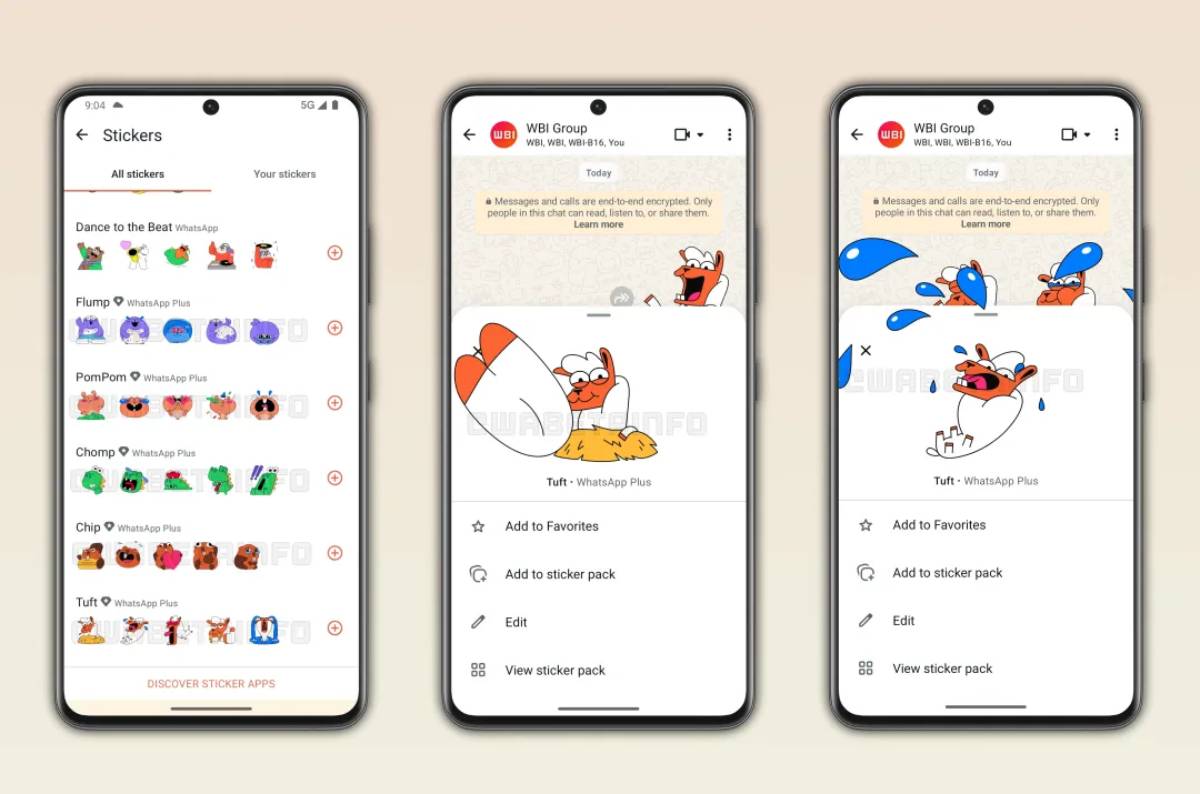
The test phase of WhatsApp’s “Plus” subscription introduces paid features including expanded sticker libraries, personalization options, and potential future productivity tools.

April 21, 2026
|
Image Source: The Verge

WhatsApp is testing a new “Plus” subscription model that adds premium features such as enhanced stickers and additional customization tools for a monthly fee. The experiment reflects a broader shift by parent company Meta toward monetizing its messaging ecosystem beyond advertising, with implications for global digital communication platforms and user monetization strategies.

The test phase of WhatsApp’s “Plus” subscription introduces paid features including expanded sticker libraries, personalization options, and potential future productivity tools. The service is being positioned as a low-cost monthly add-on for users seeking enhanced messaging experiences.

WhatsApp has historically remained free-to-use, relying on indirect monetization strategies under Meta. The introduction of a subscription layer marks a structural shift in its business model.

The rollout is currently limited, with no global pricing or launch timeline confirmed. The move aligns with ongoing experimentation in monetizing high-engagement communication platforms.

The development aligns with a broader trend across global digital markets where messaging and social platforms are increasingly diversifying revenue streams beyond traditional advertising. As user growth stabilizes in mature markets, companies are exploring subscription-based models to unlock new monetization opportunities.

WhatsApp remains one of the world’s most widely used communication tools, particularly in regions such as Asia, Europe, and Latin America. Its parent company, Meta, has been gradually expanding paid services across its ecosystem, including creator tools and business messaging solutions.

Historically, WhatsApp resisted monetization beyond enterprise services, but increasing pressure from investors and shifting digital advertising dynamics have encouraged experimentation with hybrid revenue models that combine subscriptions, services, and business integrations.

Industry analysts suggest that introducing a subscription layer to WhatsApp could represent a cautious but significant evolution in platform monetization strategy. Experts note that even low-cost premium tiers can generate substantial recurring revenue when applied across billions of users.

Market observers highlight that user acceptance will depend on whether premium features are perceived as optional enhancements rather than essential functionality. Analysts also point out that messaging platforms must carefully balance monetization with user trust to avoid engagement decline.

Digital economy specialists emphasize that subscription-based models are becoming increasingly common across social and communication platforms as companies seek more predictable revenue streams in a volatile advertising market.

For global executives, the shift signals a broader transformation in how messaging platforms monetize engagement, potentially influencing product strategy across the digital communications sector.

Investors may view subscription experiments as an effort by Meta to diversify revenue beyond advertising dependence, strengthening long-term financial stability. However, adoption risks remain tied to user sensitivity around paywalls in traditionally free services.

From a policy standpoint, regulators may increasingly scrutinize monetization practices in dominant messaging platforms, particularly regarding market power, user data usage, and fair access to communication tools.

Looking ahead, the success of WhatsApp’s “Plus” subscription will depend on user adoption rates and the perceived value of premium features. Stakeholders should watch for broader rollout plans and potential integration with business and creator ecosystems.

If successful, the model could pave the way for expanded monetization across messaging platforms globally, reshaping the economics of digital communication.

Source: The Verge
Date: April 2026

  • Featured tools
WellSaid Ai
Free

WellSaid AI is an advanced text-to-speech platform that transforms written text into lifelike, human-quality voiceovers.

#
Text to Speech
Learn more
Alli AI
Free

Alli AI is an all-in-one, AI-powered SEO automation platform that streamlines on-page optimization, site auditing, speed improvements, schema generation, internal linking, and ranking insights.

#
SEO
Learn more

Learn more about future of AI

Join 80,000+ Ai enthusiast getting weekly updates on exciting AI tools.
Thank you! Your submission has been received!
Oops! Something went wrong while submitting the form.

WhatsApp ‘Plus’ Test Signals Paid Messaging Shift

April 21, 2026

The test phase of WhatsApp’s “Plus” subscription introduces paid features including expanded sticker libraries, personalization options, and potential future productivity tools.

Image Source: The Verge

WhatsApp is testing a new “Plus” subscription model that adds premium features such as enhanced stickers and additional customization tools for a monthly fee. The experiment reflects a broader shift by parent company Meta toward monetizing its messaging ecosystem beyond advertising, with implications for global digital communication platforms and user monetization strategies.

The test phase of WhatsApp’s “Plus” subscription introduces paid features including expanded sticker libraries, personalization options, and potential future productivity tools. The service is being positioned as a low-cost monthly add-on for users seeking enhanced messaging experiences.

WhatsApp has historically remained free-to-use, relying on indirect monetization strategies under Meta. The introduction of a subscription layer marks a structural shift in its business model.

The rollout is currently limited, with no global pricing or launch timeline confirmed. The move aligns with ongoing experimentation in monetizing high-engagement communication platforms.

The development aligns with a broader trend across global digital markets where messaging and social platforms are increasingly diversifying revenue streams beyond traditional advertising. As user growth stabilizes in mature markets, companies are exploring subscription-based models to unlock new monetization opportunities.

WhatsApp remains one of the world’s most widely used communication tools, particularly in regions such as Asia, Europe, and Latin America. Its parent company, Meta, has been gradually expanding paid services across its ecosystem, including creator tools and business messaging solutions.

Historically, WhatsApp resisted monetization beyond enterprise services, but increasing pressure from investors and shifting digital advertising dynamics have encouraged experimentation with hybrid revenue models that combine subscriptions, services, and business integrations.

Industry analysts suggest that introducing a subscription layer to WhatsApp could represent a cautious but significant evolution in platform monetization strategy. Experts note that even low-cost premium tiers can generate substantial recurring revenue when applied across billions of users.

Market observers highlight that user acceptance will depend on whether premium features are perceived as optional enhancements rather than essential functionality. Analysts also point out that messaging platforms must carefully balance monetization with user trust to avoid engagement decline.

Digital economy specialists emphasize that subscription-based models are becoming increasingly common across social and communication platforms as companies seek more predictable revenue streams in a volatile advertising market.

For global executives, the shift signals a broader transformation in how messaging platforms monetize engagement, potentially influencing product strategy across the digital communications sector.

Investors may view subscription experiments as an effort by Meta to diversify revenue beyond advertising dependence, strengthening long-term financial stability. However, adoption risks remain tied to user sensitivity around paywalls in traditionally free services.

From a policy standpoint, regulators may increasingly scrutinize monetization practices in dominant messaging platforms, particularly regarding market power, user data usage, and fair access to communication tools.

Looking ahead, the success of WhatsApp’s “Plus” subscription will depend on user adoption rates and the perceived value of premium features. Stakeholders should watch for broader rollout plans and potential integration with business and creator ecosystems.

If successful, the model could pave the way for expanded monetization across messaging platforms globally, reshaping the economics of digital communication.

Source: The Verge
Date: April 2026

Promote Your Tool

Copy Embed Code

Similar Blogs

April 21, 2026
|

User Control Over AI Personalization Gains Momentum

The focus is on user-level controls that allow individuals to restrict or disable AI-powered features within major platforms. These tools are being positioned as part of broader privacy and customization settings that let users reduce algorithmic personalization in search, productivity.
Read more
April 21, 2026
|

AI Identity Verification Fuels Bot-Authentication Arms Race

The discussion centers on evolving verification systems designed to confirm whether online users are human, as AI-generated responses become harder to detect.
Read more
April 21, 2026
|

Plugable USB C Hub Deal Boosts Multi-Device Workflows

he Plugable USB-C hub 10-in-1 is being offered at a reduced price of approximately $52, positioning it as a cost-effective solution for users managing multiple peripherals.
Read more
April 21, 2026
|

Insta360 Adds Screens to Wireless Mics for Creators

The upcoming wireless microphone system from Insta360 introduces integrated display panels designed to show branding elements, custom visuals, and user-generated content directly on-device.
Read more
April 21, 2026
|

WhatsApp ‘Plus’ Test Signals Paid Messaging Shift

The test phase of WhatsApp’s “Plus” subscription introduces paid features including expanded sticker libraries, personalization options, and potential future productivity tools.
Read more
April 21, 2026
|

Samsung Galaxy Tab A11+ Price Cut Fuels Tablet Competition

The Samsung Galaxy Tab A11 Plus has seen a price cut of approximately $40 on Amazon, positioning it further within the ultra-affordable tablet category.
Read more