



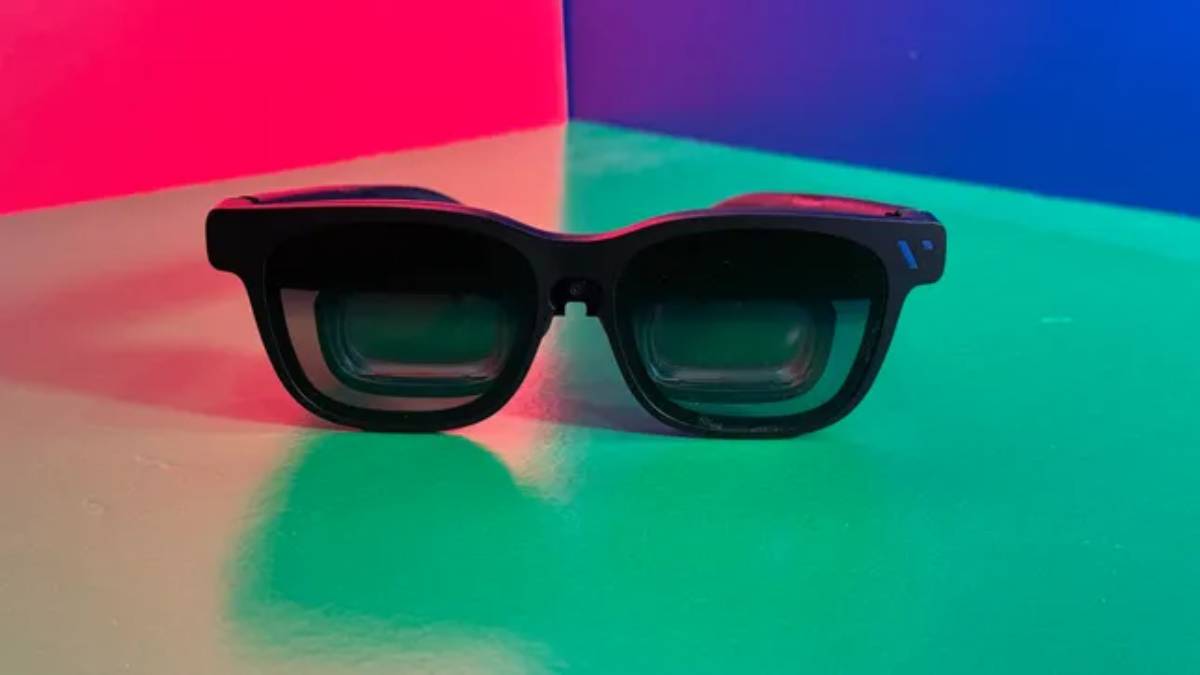
A new entrant in wearable technology is drawing attention as Viture Beast positions itself as a high-performance display solution for consumers and professionals. The device highlights accelerating innovation in spatial computing, with implications for entertainment, remote work, and the broader augmented reality hardware market.
The Viture Beast display glasses introduce a high-resolution virtual screen experience, enabling users to project large-format displays through lightweight wearable hardware. The product emphasizes portability, improved brightness, and enhanced visual clarity compared to earlier-generation XR glasses.
Designed for compatibility with smartphones, laptops, and gaming systems, the device targets both productivity and entertainment use cases. Early reviews suggest strong performance in media consumption and gaming scenarios, positioning it as a premium offering in the category.
Key stakeholders include hardware manufacturers, content platforms, and enterprise users exploring immersive work environments. The launch underscores intensifying competition in wearable displays as companies race to refine user experience and mainstream adoption.
The emergence of advanced display glasses aligns with a broader shift toward spatial computing, where digital content is integrated seamlessly into physical environments. Technology firms are increasingly investing in augmented and mixed reality devices as potential successors to traditional screens.
Major players such as Apple and Meta have already entered the market with high-profile headsets, signaling long-term bets on immersive computing platforms. However, bulky form factors and high costs have limited widespread adoption.
Devices like Viture Beast aim to bridge this gap by offering a more practical, glasses-like alternative that delivers a large-screen experience without the complexity of full headsets. Historically, wearable displays have struggled to balance performance, comfort, and affordability making incremental improvements in these areas critical for market expansion.
Industry analysts view the Viture Beast as part of a new wave of “lightweight XR” devices that prioritize usability over full immersion. Experts suggest that this category could gain traction faster than traditional AR/VR headsets, particularly among consumers seeking practical, everyday applications.
Technology observers note that improved display quality and cross-device compatibility are key differentiators, enabling broader use cases beyond gaming, including remote work and digital collaboration.
At the same time, analysts caution that ecosystem development remains a critical challenge. Without robust software and content integration, hardware innovations may struggle to achieve scale. Industry leaders emphasize that partnerships with content providers and enterprise platforms will be essential to unlock the full potential of wearable displays.
For businesses, devices like Viture Beast could redefine how employees interact with digital content, enabling portable multi-screen setups and enhancing productivity in hybrid work environments. Companies in media, gaming, and streaming may benefit from new distribution channels optimized for wearable displays.
Investors are likely to view this segment as an emerging growth opportunity within the broader XR market, though adoption risks remain. For consumers, the technology offers a more flexible alternative to traditional screens.
From a policy perspective, increased adoption of wearable displays may raise questions around privacy, data security, and workplace usage standards, particularly as these devices become more integrated into daily life.
As competition intensifies, the success of devices like Viture Beast will depend on pricing, ecosystem support, and real-world usability. Decision-makers should monitor how quickly lightweight XR solutions gain traction compared to more immersive headsets. The next phase of computing may hinge on whether wearable displays can transition from niche gadgets to essential productivity and entertainment tools.
Source: CNET
Date: April 2026


