



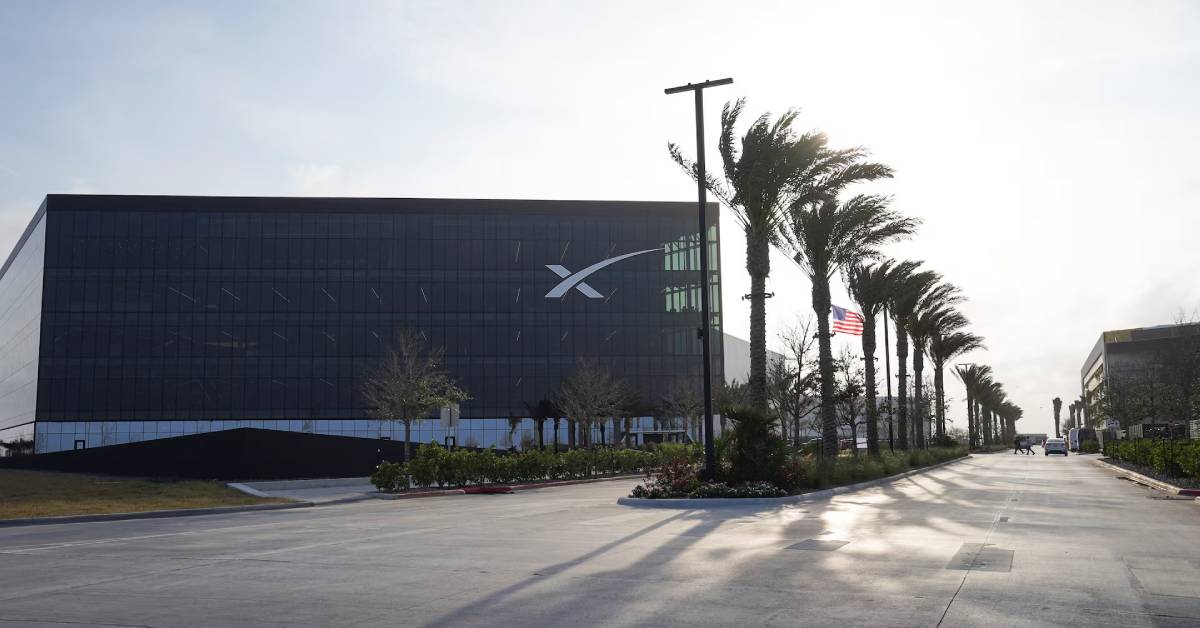
A major development unfolded as Elon Musk signaled plans for a potential SpaceX IPO aimed at financing orbital AI data centers, following lessons from Microsoft’s halted undersea data project. The move underscores the convergence of aerospace and AI infrastructure investment, with implications for investors, regulators, and global cloud and computing markets.
Musk’s plan involves deploying AI-powered data centers in orbit to support global computational demand and space-based analytics. Funding for the initiative could come from a forthcoming SpaceX IPO, targeting private and institutional investors.
The announcement follows Microsoft’s abandoned undersea data center project, which faced technical, environmental, and operational challenges, highlighting potential risks in unconventional data infrastructure.
Key stakeholders include aerospace regulators, technology investors, and enterprise clients dependent on cloud and AI services. Analysts caution that orbital deployment introduces engineering, safety, and regulatory hurdles, while offering potential competitive advantage in low-latency global AI operations.
The development aligns with a broader trend where tech giants and aerospace firms are exploring innovative computing environments beyond terrestrial limits. Orbital or undersea data centers promise faster, globally distributed processing, supporting AI, IoT, and real-time analytics for industries ranging from defense to finance.
Microsoft’s undersea setback due to cooling, maintenance, and environmental issues serves as a cautionary tale, emphasizing the complexity and high capital intensity of off-Earth or extreme-location infrastructure.
Historically, breakthroughs in computing infrastructure, such as cloud adoption and edge computing, have shifted market dynamics and investment priorities. Musk’s SpaceX initiative represents an effort to preemptively capture AI and cloud market share while integrating aerospace expertise, potentially redefining enterprise expectations for computational scalability and resilience in space-based platforms.
Aerospace and cloud infrastructure analysts highlight the strategic rationale: “Space-based data centers could provide unprecedented latency advantages and global coverage, but the technological and regulatory hurdles are immense,” noted a senior cloud analyst.
SpaceX executives frame the IPO as a mechanism to fund research, orbital deployment, and AI integration at scale, while emphasizing risk mitigation informed by prior undersea and satellite-based projects.
Industry observers caution that governments and regulators will scrutinize orbital infrastructure for space traffic management, cybersecurity, and environmental impact. Investors and technology clients are advised to monitor execution timelines, cost forecasts, and potential partnerships with terrestrial cloud providers to evaluate operational feasibility and market opportunity.
For global executives, the initiative signals a potential shift in enterprise computing strategy, emphasizing AI workloads in space-based environments. Companies reliant on high-performance computing may reassess infrastructure investments to leverage low-latency orbital capabilities.
Investors could view the IPO as an opportunity to access frontier technology markets, while also factoring in high capital expenditure and regulatory uncertainty. Policymakers may need to address orbital data governance, spectrum allocation, and cross-border AI compliance.
The development underscores that innovation in AI infrastructure increasingly intersects with aerospace, requiring integrated strategies that balance technological ambition, market opportunity, and operational risk.
Decision-makers should watch SpaceX’s IPO timing, orbital deployment milestones, and regulatory approvals, as well as AI adoption metrics in space-based infrastructure. Collaborative ventures, risk mitigation strategies, and investor sentiment will influence success.
Uncertainties include orbital logistics, technical feasibility, and compliance with international space and AI regulations. Executives and investors who proactively monitor these factors may gain early advantage in an emerging sector at the intersection of aerospace and AI.
Source: Reuters
Date: April 2026


