
South Florida Becomes AI Data Hub

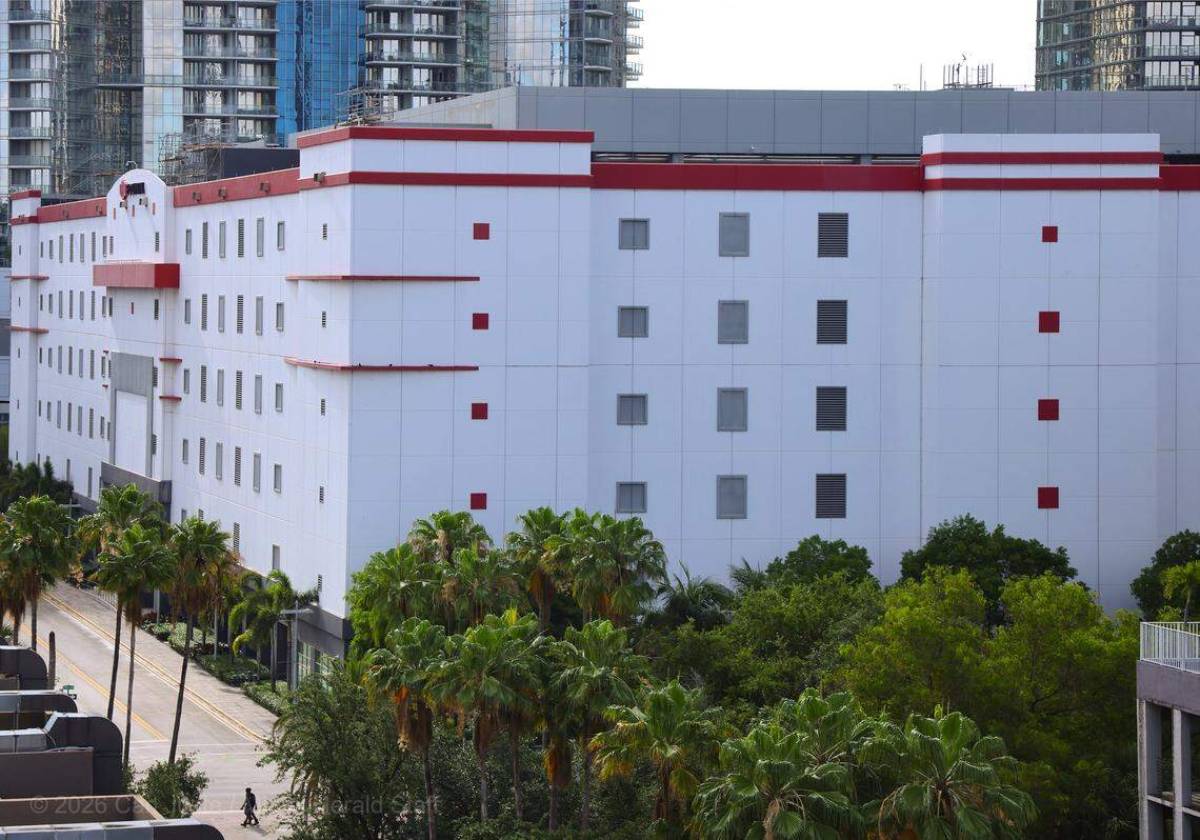
New AI-oriented data center projects are reportedly advancing across Miami-Dade and Palm Beach County as operators seek additional computing capacity to support generative AI workloads and cloud services.

May 18, 2026
|

A major expansion of AI-focused data center infrastructure is accelerating across South Florida as technology firms and developers move to capitalize on surging demand for artificial intelligence computing capacity. The buildout reflects the growing strategic importance of regional digital infrastructure, with implications for energy markets, real estate investment, environmental policy, and enterprise cloud operations.

New AI-oriented data center projects are reportedly advancing across Miami-Dade and Palm Beach County as operators seek additional computing capacity to support generative AI workloads and cloud services. The expansion comes amid rapidly increasing demand for high-density computing infrastructure capable of handling AI training and inference operations.

Developers are targeting South Florida due to its expanding connectivity infrastructure, international data traffic links, and growing technology ecosystem. However, the projects are also raising concerns regarding electricity consumption, water usage, land availability, and environmental resilience in a region already vulnerable to climate-related risks.

The development mirrors a broader nationwide race among states and metropolitan regions competing to attract AI infrastructure investment and associated economic activity. The South Florida expansion reflects a larger global transformation in digital infrastructure driven by the explosive growth of generative AI systems. AI models require significantly greater computational power than traditional cloud applications, fueling unprecedented demand for data centers equipped with advanced GPUs, cooling systems, and high-capacity power supplies.

Over the past two years, technology companies, cloud providers, and infrastructure investors have committed billions of dollars toward expanding AI-ready facilities across the United States, Europe, and Asia. Regions with strong fiber connectivity, tax incentives, and reliable energy access have become highly competitive destinations for development.

South Florida’s growing role in the sector is also tied to its strategic geographic position as a digital gateway connecting North America, Latin America, and global submarine cable networks. Industry observers note that the region’s appeal extends beyond real estate economics into geopolitical considerations surrounding data localization, cloud resilience, and international digital trade.

At the same time, environmental concerns surrounding power demand and sustainability are becoming central to debates over AI infrastructure growth worldwide. Infrastructure analysts suggest the latest projects underscore how AI is reshaping regional economic development strategies. Data centers, once viewed primarily as back-end technology facilities, are increasingly becoming strategic assets tied to national competitiveness, cloud sovereignty, and industrial policy.

Experts note that AI workloads place unique stress on electrical grids due to continuous high-performance computing operations. This has intensified scrutiny from utilities, regulators, and environmental groups concerned about long-term energy sustainability and carbon emissions.

Technology consultants also argue that South Florida’s connectivity advantages could strengthen its position as an emerging AI and cloud hub, particularly for companies serving multinational markets. However, resilience concerns remain significant given the region’s exposure to hurricanes, rising temperatures, and flooding risks.

Real estate and infrastructure investors are closely monitoring the sector, viewing AI-related data center expansion as one of the fastest-growing segments in commercial property markets despite mounting operational and environmental complexities.

For global executives, the expansion signals that access to AI infrastructure is becoming a critical determinant of digital competitiveness. Businesses reliant on cloud computing, generative AI, and enterprise automation may increasingly prioritize proximity to scalable, resilient computing networks.

Investors are likely to continue directing capital toward energy providers, semiconductor firms, cooling technology companies, and real estate developers connected to the AI infrastructure boom. At the same time, rising electricity demand could intensify operational costs and pressure regional utilities.

From a policy perspective, governments and local authorities may face growing demands to balance economic development opportunities with sustainability concerns. Regulators could increasingly focus on power consumption standards, environmental permitting, grid modernization, and resilience planning as AI data center construction accelerates.

The coming years are expected to bring continued competition among regions seeking to attract AI infrastructure investment. Decision-makers will closely watch energy availability, regulatory frameworks, and climate resilience as critical factors shaping future data center expansion.

As AI adoption scales globally, infrastructure capacity may become as strategically important as software innovation itself, positioning data centers at the center of both economic growth and policy debate.

Source: Tampa Bay Times
Date: May 17, 2026

  • Featured tools
Neuron AI
Free

Neuron AI is an AI-driven content optimization platform that helps creators produce SEO-friendly content by combining semantic SEO, competitor analysis, and AI-assisted writing workflows.

#
SEO
Learn more
Kreateable AI
Free

Kreateable AI is a white-label, AI-driven design platform that enables logo generation, social media posts, ads, and more for businesses, agencies, and service providers.

#
Logo Generator
Learn more

Learn more about future of AI

Join 80,000+ Ai enthusiast getting weekly updates on exciting AI tools.
Thank you! Your submission has been received!
Oops! Something went wrong while submitting the form.

South Florida Becomes AI Data Hub

May 18, 2026

New AI-oriented data center projects are reportedly advancing across Miami-Dade and Palm Beach County as operators seek additional computing capacity to support generative AI workloads and cloud services.

A major expansion of AI-focused data center infrastructure is accelerating across South Florida as technology firms and developers move to capitalize on surging demand for artificial intelligence computing capacity. The buildout reflects the growing strategic importance of regional digital infrastructure, with implications for energy markets, real estate investment, environmental policy, and enterprise cloud operations.

New AI-oriented data center projects are reportedly advancing across Miami-Dade and Palm Beach County as operators seek additional computing capacity to support generative AI workloads and cloud services. The expansion comes amid rapidly increasing demand for high-density computing infrastructure capable of handling AI training and inference operations.

Developers are targeting South Florida due to its expanding connectivity infrastructure, international data traffic links, and growing technology ecosystem. However, the projects are also raising concerns regarding electricity consumption, water usage, land availability, and environmental resilience in a region already vulnerable to climate-related risks.

The development mirrors a broader nationwide race among states and metropolitan regions competing to attract AI infrastructure investment and associated economic activity. The South Florida expansion reflects a larger global transformation in digital infrastructure driven by the explosive growth of generative AI systems. AI models require significantly greater computational power than traditional cloud applications, fueling unprecedented demand for data centers equipped with advanced GPUs, cooling systems, and high-capacity power supplies.

Over the past two years, technology companies, cloud providers, and infrastructure investors have committed billions of dollars toward expanding AI-ready facilities across the United States, Europe, and Asia. Regions with strong fiber connectivity, tax incentives, and reliable energy access have become highly competitive destinations for development.

South Florida’s growing role in the sector is also tied to its strategic geographic position as a digital gateway connecting North America, Latin America, and global submarine cable networks. Industry observers note that the region’s appeal extends beyond real estate economics into geopolitical considerations surrounding data localization, cloud resilience, and international digital trade.

At the same time, environmental concerns surrounding power demand and sustainability are becoming central to debates over AI infrastructure growth worldwide. Infrastructure analysts suggest the latest projects underscore how AI is reshaping regional economic development strategies. Data centers, once viewed primarily as back-end technology facilities, are increasingly becoming strategic assets tied to national competitiveness, cloud sovereignty, and industrial policy.

Experts note that AI workloads place unique stress on electrical grids due to continuous high-performance computing operations. This has intensified scrutiny from utilities, regulators, and environmental groups concerned about long-term energy sustainability and carbon emissions.

Technology consultants also argue that South Florida’s connectivity advantages could strengthen its position as an emerging AI and cloud hub, particularly for companies serving multinational markets. However, resilience concerns remain significant given the region’s exposure to hurricanes, rising temperatures, and flooding risks.

Real estate and infrastructure investors are closely monitoring the sector, viewing AI-related data center expansion as one of the fastest-growing segments in commercial property markets despite mounting operational and environmental complexities.

For global executives, the expansion signals that access to AI infrastructure is becoming a critical determinant of digital competitiveness. Businesses reliant on cloud computing, generative AI, and enterprise automation may increasingly prioritize proximity to scalable, resilient computing networks.

Investors are likely to continue directing capital toward energy providers, semiconductor firms, cooling technology companies, and real estate developers connected to the AI infrastructure boom. At the same time, rising electricity demand could intensify operational costs and pressure regional utilities.

From a policy perspective, governments and local authorities may face growing demands to balance economic development opportunities with sustainability concerns. Regulators could increasingly focus on power consumption standards, environmental permitting, grid modernization, and resilience planning as AI data center construction accelerates.

The coming years are expected to bring continued competition among regions seeking to attract AI infrastructure investment. Decision-makers will closely watch energy availability, regulatory frameworks, and climate resilience as critical factors shaping future data center expansion.

As AI adoption scales globally, infrastructure capacity may become as strategically important as software innovation itself, positioning data centers at the center of both economic growth and policy debate.

Source: Tampa Bay Times
Date: May 17, 2026

Promote Your Tool

Copy Embed Code

Similar Blogs

May 18, 2026
|

AI Companion Robots Grow Elder Care Support

The ElliQ robot functions as an interactive companion designed to assist older adults with reminders, conversation, wellness prompts, and daily engagement activities.
Read more
May 18, 2026
|

Meta Advances Spatial Computing With Smart Glasses

The Ray-Ban Display glasses reportedly integrate virtual writing capabilities, allowing users to input text and interact with applications through spatial gestures and display overlays.
Read more
May 18, 2026
|

Dyson AI Air Mobility Era Purifier

The latest Dyson purifier integrates camera-based tracking technology to identify user location within a room and dynamically adjust airflow direction.
Read more
May 18, 2026
|

Apple Intelligence Upgrades Siri Chat Privacy

Reports suggest that Apple’s upcoming Siri upgrade will introduce auto-deleting conversations, allowing user interactions with the assistant to be automatically removed after a defined period.
Read more
May 18, 2026
|

AI Becomes Core Study Infrastructure Students

Students are increasingly leveraging AI tools for structured exam preparation, including summarization of study material, practice question generation, and concept clarification.
Read more
May 18, 2026
|

Google Accelerates Smart Glasses Push AR

Reports indicate that Google’s upcoming smart glasses initiative will focus on integrating advanced AI features, real-time contextual computing, and enhanced visual overlays for everyday use.
Read more