



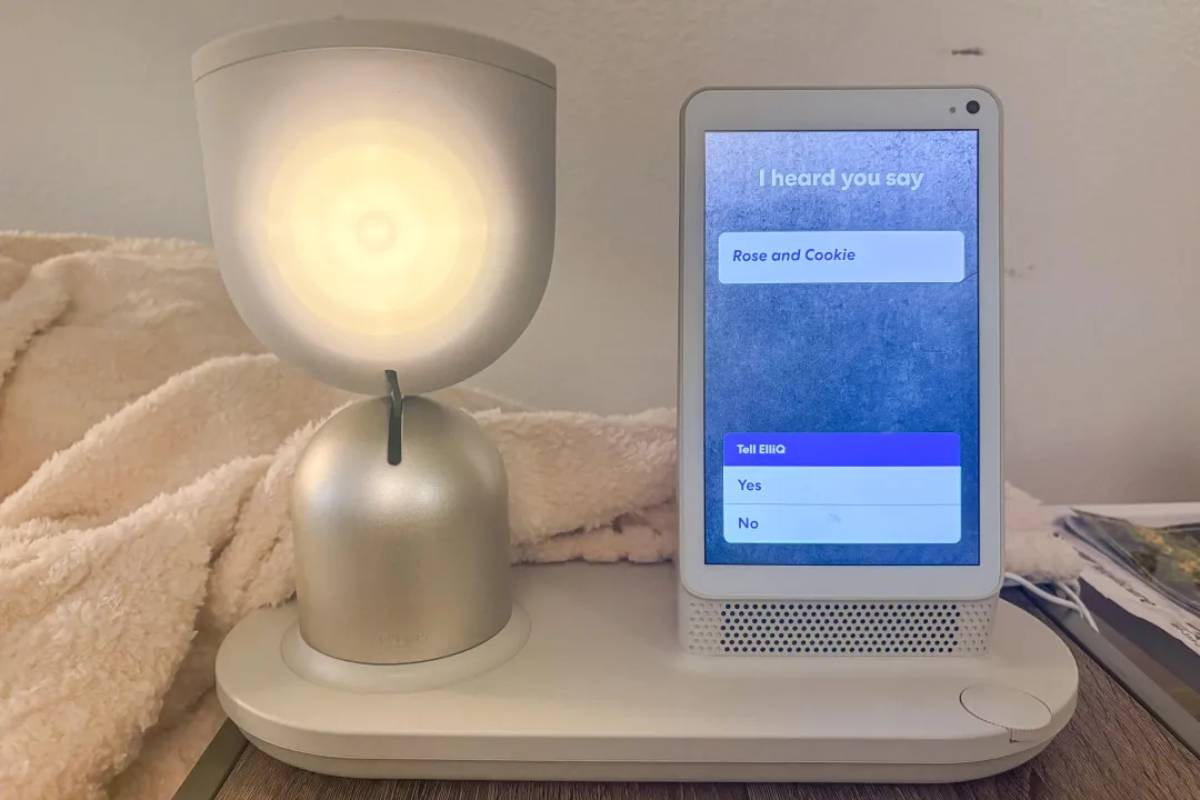
A new wave of social robotics is reshaping elder care as Intuition Robotics advances its ElliQ companion robot designed to support older adults in daily life. The development highlights the growing role of AI-driven companionship systems in addressing aging population challenges, with implications for healthcare systems, caregivers, and assisted living markets globally.
The ElliQ robot functions as an interactive companion designed to assist older adults with reminders, conversation, wellness prompts, and daily engagement activities. It uses AI-driven conversational systems and proactive interaction models to reduce loneliness and encourage healthier routines.
The device is part of a broader rollout targeting aging populations in developed economies, where demand for assisted living solutions is rising rapidly. Intuition Robotics has positioned ElliQ as a non-medical support system that enhances independent living rather than replacing human caregivers. The product integrates voice interaction, behavioral nudging, and contextual awareness to support everyday lifestyle management.
The emergence of companion robots reflects a significant demographic and technological shift. Global populations are aging rapidly, particularly in regions such as Japan, Europe, and North America, placing pressure on healthcare systems and caregiving infrastructure.
In response, AI and robotics companies are developing systems that extend beyond productivity tools into emotional and social support roles. Intuition Robotics has focused on designing AI systems that prioritize engagement and companionship rather than task automation alone.
Historically, assistive technologies have evolved from basic alert systems to intelligent, interactive platforms capable of adaptive behavior. The integration of conversational AI into elder care represents a broader trend in which technology is increasingly used to mitigate social isolation, support independent living, and reduce strain on institutional healthcare systems.
Industry analysts suggest that companion robots like ElliQ could play a critical role in addressing the growing “loneliness epidemic” among aging populations. Experts argue that consistent social interaction, even with AI systems, can contribute positively to cognitive stimulation and emotional well-being.
While Intuition Robotics emphasizes that ElliQ is designed to complement human care rather than replace it, healthcare observers note that such systems may help bridge gaps in regions facing caregiver shortages.
Technology commentators highlight that the effectiveness of companion robots depends heavily on personalization, trust, and long-term engagement patterns. Analysts also caution that ethical considerations including emotional dependency on AI systems and data privacy in home environments must be carefully addressed as adoption expands across vulnerable populations.
For healthcare providers and elder care facilities, companion robots represent a scalable tool to support aging populations and reduce caregiver workload. Businesses in health tech and robotics may see expanding demand as demographic pressures intensify globally.
For investors, the sector signals long-term growth potential within AI-driven healthcare and assistive technology markets. For policymakers, the rise of social robots introduces regulatory questions around safety standards, data protection, and ethical deployment in private homes and care institutions. Analysts warn that balancing innovation with safeguards will be essential to ensure responsible adoption of AI companionship technologies.
Looking ahead, companion robots are likely to become more integrated into mainstream elder care ecosystems, particularly as AI systems improve in emotional intelligence and contextual awareness. The success of ElliQ-style devices will depend on affordability, scalability, and cultural acceptance. Decision-makers will be watching how healthcare systems incorporate such technologies into broader aging-in-place strategies.
Source: The Verge Report
Date: May 17, 2026


