



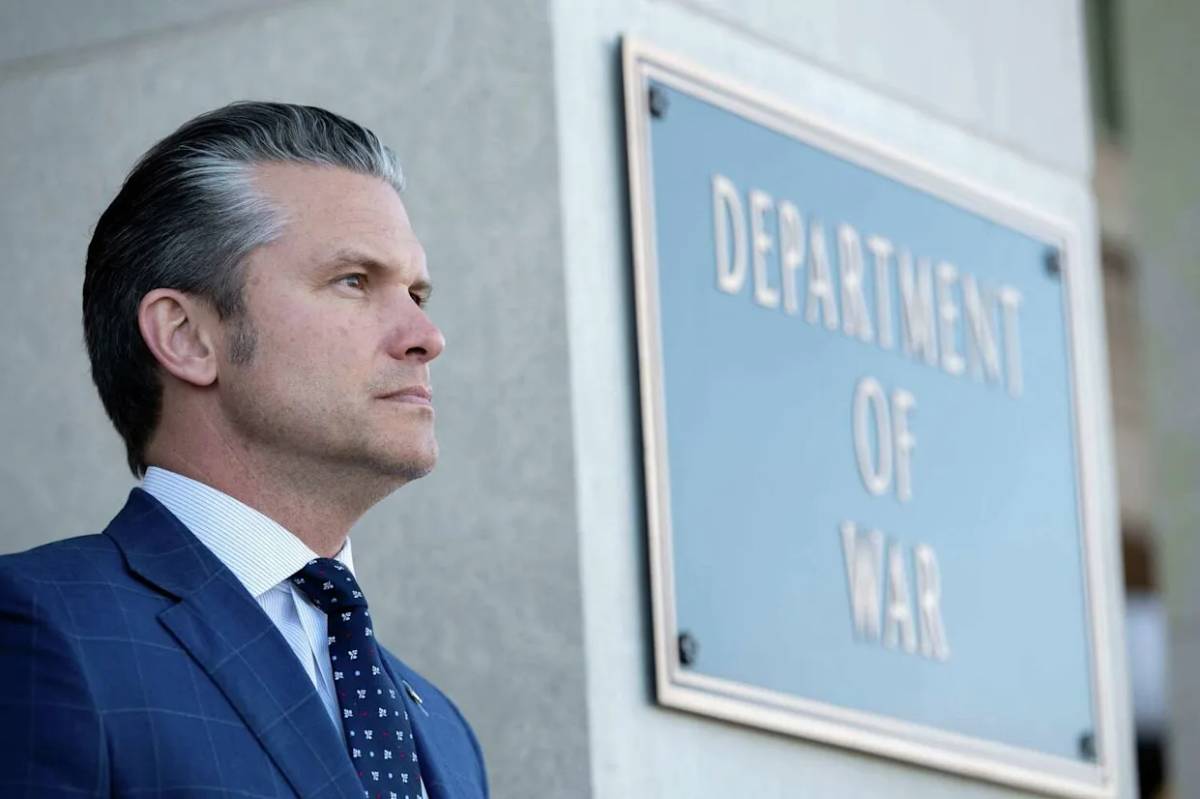
The Pentagon has signaled it may terminate Anthropic’s $200 million contract, citing concerns over AI safety and compliance with defense standards. The move underscores growing scrutiny of AI contractors and highlights the strategic importance of secure, controllable AI models for national security, impacting both corporate stakeholders and defense procurement plans.
The Department of Defense issued a formal warning that Anthropic must demonstrate robust AI safeguards or risk contract termination. The $200 million deal involves developing AI models for defense applications, including decision support and cybersecurity tools. This announcement follows Pentagon audits identifying gaps in Anthropic’s safety protocols, though the company has disputed claims of non-compliance.
Industry analysts note that any contract cancellation could shift defense AI procurement to other vendors, creating both competitive and geopolitical implications. Shares of AI-focused firms saw modest volatility following the news, reflecting market sensitivity to government enforcement actions.
Anthropic is reportedly working to address the DoD’s requirements ahead of a final compliance review. The Pentagon’s action reflects heightened federal focus on AI safety and governance amid rapid adoption in defense and intelligence applications.
Since 2024, the US government has tightened oversight of AI contractors, emphasizing risk management, model transparency, and ethical compliance. Anthropic, a leading AI developer, has previously partnered with commercial and government clients, but scrutiny of its AI safeguards now signals a turning point in procurement standards.
The development aligns with global trends where governments are increasingly wary of deploying AI without stringent testing, due to potential errors, bias, or adversarial exploitation. This episode also occurs against a backdrop of rising US-China AI competition, where ensuring secure, controllable AI systems is critical to national security.
For defense planners, the case highlights the need to balance innovation speed with operational safety and accountability in AI contracts. 4. Expert Insights & Official Statements (120–150 words)
Defense analysts suggest the Pentagon’s warning is part of a broader push to enforce compliance standards among AI vendors. Former DoD officials note that $200 million contracts represent strategic leverage points, and failure to meet safety requirements could lead to reallocation of funds to other compliant developers.
Anthropic executives are reportedly engaging with the Pentagon to clarify protocols and demonstrate enhanced safeguards, emphasizing the company’s commitment to responsible AI deployment.
Industry observers highlight that government scrutiny could influence investor sentiment across AI firms, with risk-averse clients increasingly prioritizing safety certifications.
Policy analysts view this development as a signal to the wider AI ecosystem: rigorous compliance, transparency, and ethical governance are now prerequisites for sustaining defense partnerships. Competitors may benefit from this enforcement, while regulators gain a precedent for future AI contract oversight.
For global executives, the Pentagon’s move underscores the operational and reputational stakes of AI safety compliance. Defense contractors must reassess internal protocols, audit trails, and risk governance to maintain eligibility for government projects. Investors may reevaluate exposure to AI firms lacking demonstrable safeguards, impacting valuations and fundraising potential.
Markets could see heightened volatility in defense and AI technology sectors if contract terminations become a trend. Regulators are likely to intensify oversight, setting stricter benchmarks for AI in sensitive applications, while governments worldwide may adopt similar standards. Boards and C-suite teams must integrate compliance readiness into strategic planning to mitigate financial, operational, and geopolitical risks.
Anthropic’s next steps demonstrating compliance and enhancing AI safeguards will determine whether the Pentagon finalizes or cancels the contract. Decision-makers should monitor updates on safety certifications, government audits, and competitor responses. Uncertainties remain around regulatory enforcement, model governance standards, and potential ripple effects on AI procurement policies.
The case may set a precedent for defense AI contracting, emphasizing that robust safety and compliance frameworks are now essential for sustaining strategic government partnerships.
Source: Yahoo Finance
Date: February 24, 2026


