
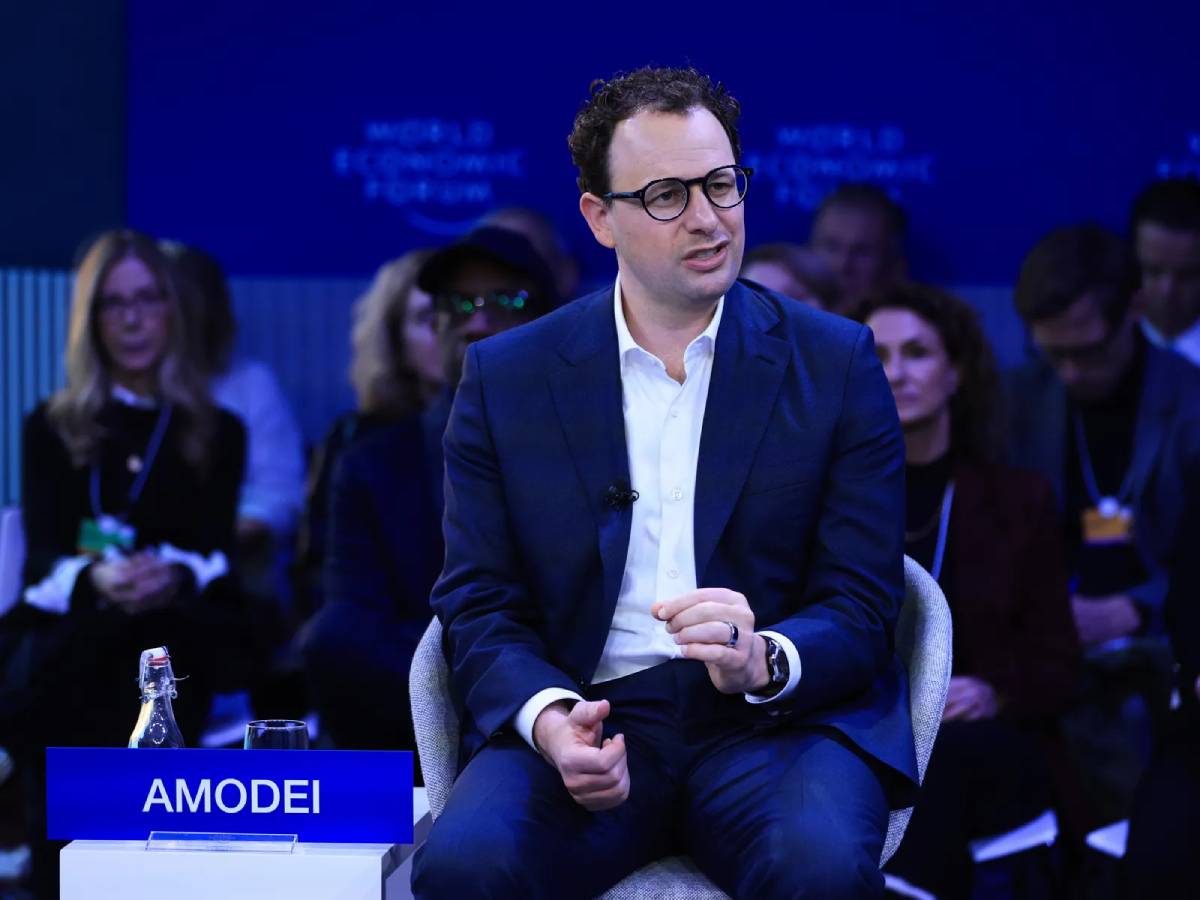
Pentagon Signals Contract Risk to Anthropic in AI Standoff

According to reporting by CNBC, the Pentagon signaled it may cut off Anthropic from certain defense-related engagements unless concerns over AI safeguards and compliance are resolved.

February 24, 2026
|

A significant rift has emerged between the U.S. Department of Defense and AI startup Anthropic, as the Pentagon warned it could suspend or terminate engagement over concerns tied to AI safeguards. The dispute highlights growing tensions between national security priorities and commercial AI governance frameworks, with implications for defense contracts and AI industry standards.

According to reporting by CNBC, the Pentagon signaled it may cut off Anthropic from certain defense-related engagements unless concerns over AI safeguards and compliance are resolved.

At the center of the dispute are questions about how Anthropic’s models align with defense requirements on transparency, access controls, and operational oversight. Defense officials reportedly expressed dissatisfaction with aspects of safety guardrails or deployment restrictions affecting military use cases.

Anthropic, known for positioning itself as a safety-focused AI developer, has emphasized its commitment to responsible deployment. The timeline suggests recent negotiations intensified amid broader U.S. efforts to formalize AI procurement standards for national security applications.

The development aligns with a broader recalibration in how governments engage frontier AI firms. As generative AI systems increasingly power intelligence analysis, logistics, and cybersecurity tools, defense agencies are demanding stricter oversight and alignment with mission objectives.

Anthropic, backed by major technology investors and recognized for its constitutional AI framework, has built its brand around safety-first principles. However, balancing ethical constraints with defense imperatives can create friction particularly where military applications require flexibility beyond commercial norms.

The Pentagon has been accelerating AI integration through multiple modernization initiatives, reflecting intensifying geopolitical competition in artificial intelligence. Washington views AI dominance as a strategic priority amid rival advancements from China and other global powers.

For CXOs and policymakers, the standoff illustrates a critical inflection point: as AI becomes infrastructure for national defense, governance debates are shifting from theory to procurement leverage.

Defense analysts note that the Pentagon’s warning underscores a broader principle government contracts increasingly come with enforceable compliance benchmarks around data access, transparency, and operational adaptability.

Security experts suggest the dispute may center on how Anthropic’s safeguards limit certain military applications or restrict model fine-tuning. While safety guardrails are core to Anthropic’s identity, defense agencies often require granular control over system parameters and deployment contexts.

Industry observers argue that this tension is not unique to Anthropic. As frontier AI labs engage with government clients, they face a strategic balancing act between ethical branding and national security demands.

From a market perspective, analysts say any disruption in federal contracts could affect revenue pipelines and investor sentiment, especially as AI startups diversify beyond enterprise SaaS into public-sector partnerships.

For global executives, the episode signals that AI governance is no longer abstract it directly influences revenue, partnerships, and regulatory positioning. Companies pursuing government contracts must align product architectures with stringent compliance standards.

Investors may interpret the dispute as evidence that public-sector AI adoption will hinge on contractual clarity around safeguards and operational authority. Meanwhile, policymakers could use this moment to formalize clearer AI procurement guidelines across agencies.

Enterprises outside defense should also take note: regulatory expectations around AI transparency, auditability, and risk management are tightening globally. The Pentagon’s posture may foreshadow similar stances from civilian regulators worldwide.

Negotiations between Anthropic and the Pentagon will likely determine whether adjustments to safeguards or contractual terms can preserve collaboration. Decision-makers should watch for updated federal AI procurement frameworks and shifts in how frontier labs structure government partnerships.

As AI becomes central to national security infrastructure, the balance between ethical constraints and operational flexibility will shape the next phase of public–private AI alliances.

Source: CNBC
Date: February 16, 2026

  • Featured tools
Murf Ai
Free

Murf AI Review – Advanced AI Voice Generator for Realistic Voiceovers

#
Text to Speech
Learn more
Hostinger Website Builder
Paid

Hostinger Website Builder is a drag-and-drop website creator bundled with hosting and AI-powered tools, designed for businesses, blogs and small shops with minimal technical effort.It makes launching a site fast and affordable, with templates, responsive design and built-in hosting all in one.

#
Productivity
#
Startup Tools
#
Ecommerce
Learn more

Learn more about future of AI

Join 80,000+ Ai enthusiast getting weekly updates on exciting AI tools.
Thank you! Your submission has been received!
Oops! Something went wrong while submitting the form.

Pentagon Signals Contract Risk to Anthropic in AI Standoff

February 24, 2026

According to reporting by CNBC, the Pentagon signaled it may cut off Anthropic from certain defense-related engagements unless concerns over AI safeguards and compliance are resolved.

A significant rift has emerged between the U.S. Department of Defense and AI startup Anthropic, as the Pentagon warned it could suspend or terminate engagement over concerns tied to AI safeguards. The dispute highlights growing tensions between national security priorities and commercial AI governance frameworks, with implications for defense contracts and AI industry standards.

According to reporting by CNBC, the Pentagon signaled it may cut off Anthropic from certain defense-related engagements unless concerns over AI safeguards and compliance are resolved.

At the center of the dispute are questions about how Anthropic’s models align with defense requirements on transparency, access controls, and operational oversight. Defense officials reportedly expressed dissatisfaction with aspects of safety guardrails or deployment restrictions affecting military use cases.

Anthropic, known for positioning itself as a safety-focused AI developer, has emphasized its commitment to responsible deployment. The timeline suggests recent negotiations intensified amid broader U.S. efforts to formalize AI procurement standards for national security applications.

The development aligns with a broader recalibration in how governments engage frontier AI firms. As generative AI systems increasingly power intelligence analysis, logistics, and cybersecurity tools, defense agencies are demanding stricter oversight and alignment with mission objectives.

Anthropic, backed by major technology investors and recognized for its constitutional AI framework, has built its brand around safety-first principles. However, balancing ethical constraints with defense imperatives can create friction particularly where military applications require flexibility beyond commercial norms.

The Pentagon has been accelerating AI integration through multiple modernization initiatives, reflecting intensifying geopolitical competition in artificial intelligence. Washington views AI dominance as a strategic priority amid rival advancements from China and other global powers.

For CXOs and policymakers, the standoff illustrates a critical inflection point: as AI becomes infrastructure for national defense, governance debates are shifting from theory to procurement leverage.

Defense analysts note that the Pentagon’s warning underscores a broader principle government contracts increasingly come with enforceable compliance benchmarks around data access, transparency, and operational adaptability.

Security experts suggest the dispute may center on how Anthropic’s safeguards limit certain military applications or restrict model fine-tuning. While safety guardrails are core to Anthropic’s identity, defense agencies often require granular control over system parameters and deployment contexts.

Industry observers argue that this tension is not unique to Anthropic. As frontier AI labs engage with government clients, they face a strategic balancing act between ethical branding and national security demands.

From a market perspective, analysts say any disruption in federal contracts could affect revenue pipelines and investor sentiment, especially as AI startups diversify beyond enterprise SaaS into public-sector partnerships.

For global executives, the episode signals that AI governance is no longer abstract it directly influences revenue, partnerships, and regulatory positioning. Companies pursuing government contracts must align product architectures with stringent compliance standards.

Investors may interpret the dispute as evidence that public-sector AI adoption will hinge on contractual clarity around safeguards and operational authority. Meanwhile, policymakers could use this moment to formalize clearer AI procurement guidelines across agencies.

Enterprises outside defense should also take note: regulatory expectations around AI transparency, auditability, and risk management are tightening globally. The Pentagon’s posture may foreshadow similar stances from civilian regulators worldwide.

Negotiations between Anthropic and the Pentagon will likely determine whether adjustments to safeguards or contractual terms can preserve collaboration. Decision-makers should watch for updated federal AI procurement frameworks and shifts in how frontier labs structure government partnerships.

As AI becomes central to national security infrastructure, the balance between ethical constraints and operational flexibility will shape the next phase of public–private AI alliances.

Source: CNBC
Date: February 16, 2026

Promote Your Tool

Copy Embed Code

Similar Blogs

March 10, 2026
|

Canva Outpaces Leading AI Chatbots in Usage Rankings

A recent ranking of consumer AI web applications released by venture capital firm Andreessen Horowitz placed Canva ahead of several well-known AI platforms, including Claude, Grok, and DeepSeek.
Read more
March 10, 2026
|

Tempus AI Shares Drop on Healthcare AI Outlook

Tempus AI Inc saw its stock price fall by approximately 3.2% during the March 9 trading session, highlighting short-term market pressure on the AI-powered healthcare company.
Read more
March 10, 2026
|

AI Reshapes SEO as Search Visibility Shifts

AI-powered search systems are rapidly altering the landscape for SEO tools and digital marketing strategies.
Read more
March 10, 2026
|

UiPath Gains AIUC-1 Certification Elevating AI Agent Security

UiPath revealed that it has successfully obtained AIUC-1 certification, a compliance standard designed to validate the security, transparency, and operational reliability of AI-powered agents.
Read more
March 10, 2026
|

Two AI-Driven Stocks Positioned for Strong Market Gains in 2026

Investment analysts have identified two technology companies with significant growth potential tied to the artificial intelligence sector. The growing investor interest in AI-linked stocks reflects a broader transformation taking place across global technology markets.
Read more
March 10, 2026
|

Minnesota Lawmakers Push Stricter AI Rules for Children

Minnesota legislators have introduced proposals that would impose stricter oversight on how artificial intelligence systems interact with minors and handle personal data.
Read more