
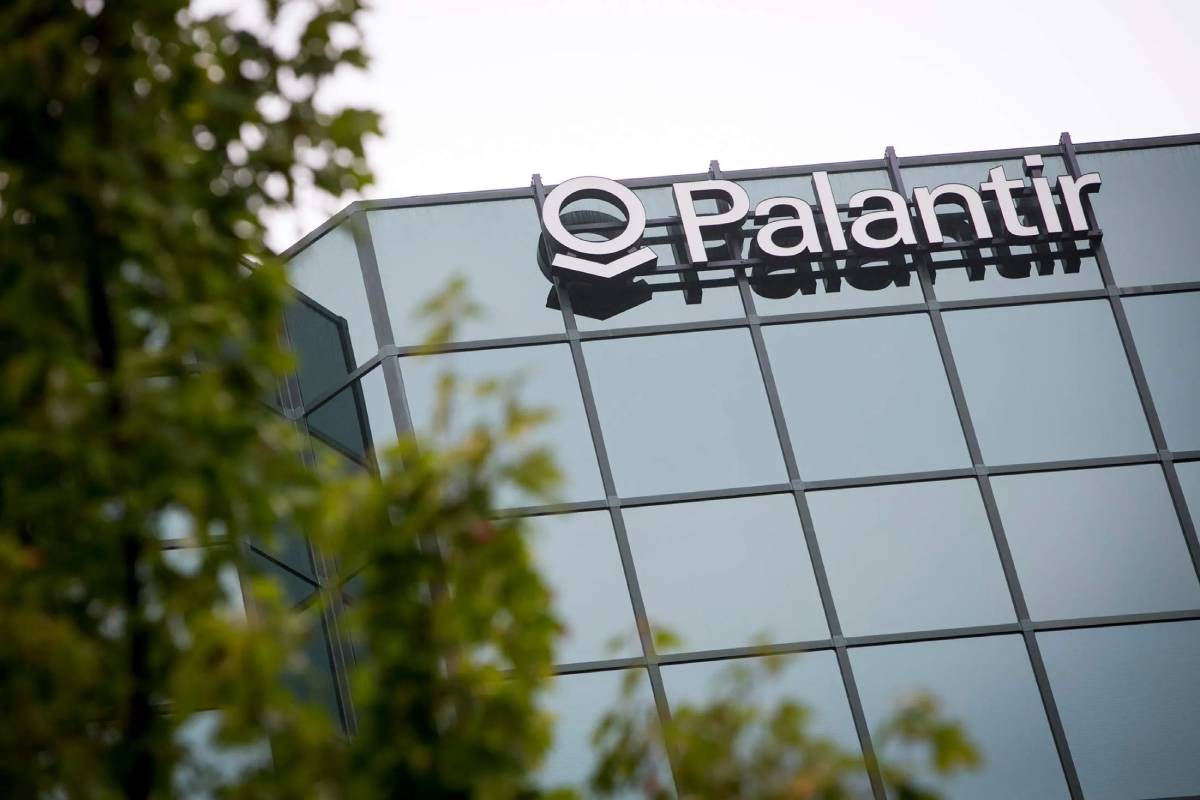
Pentagon AI Stack Turbulence as Palantir Challenges Anthropic Integration

The dispute centers on whether models from Anthropic should remain integrated within Pentagon software platforms associated with Palantir Technologies. Palantir reportedly raised concerns about the inclusion of Anthropic’s AI systems.

March 5, 2026
|

A new dispute within the U.S. defense technology ecosystem has emerged as Palantir Technologies challenges the presence of Anthropic in artificial intelligence systems linked to the U.S. Department of Defense. The clash highlights rising tensions over AI safety, military deployment, and control of critical software infrastructure powering next-generation defense operations.

The dispute centers on whether models from Anthropic should remain integrated within Pentagon software platforms associated with Palantir Technologies. Palantir reportedly raised concerns about the inclusion of Anthropic’s AI systems within defense workflows tied to military data analysis and operational planning.

The issue has drawn the attention of the U.S. Department of Defense as defense agencies expand their reliance on advanced AI tools to support intelligence processing, logistics modeling, and battlefield decision-making.

Anthropic’s systems, including its flagship model Claude, are designed with strict safety guardrails, which may influence how the technology can be deployed in national security contexts.

The dispute underscores the complex governance questions surrounding AI use in defense environments. Artificial intelligence is rapidly becoming a core capability within modern military infrastructure. Governments are increasingly integrating AI tools into intelligence gathering, cyber defense, and operational planning.

Companies like Palantir Technologies have played a major role in building software platforms that help defense agencies analyze large volumes of classified and operational data. These platforms increasingly incorporate third-party AI models to accelerate analysis and automate decision support.

At the same time, AI developers such as Anthropic have emphasized responsible AI deployment and strict safety standards. That approach has occasionally created friction with defense stakeholders seeking broader operational capabilities.

The debate also reflects a wider global trend in which governments are racing to incorporate AI into military systems. The strategic importance of AI has intensified geopolitical competition among major powers, including the United States and China. In this context, control over defense AI ecosystems is becoming both a technological and strategic priority.

Industry analysts note that the dispute highlights a fundamental tension between commercial AI developers and defense institutions. Technology firms increasingly face pressure to define how their systems may be used in military contexts. Some companies have established clear policies governing defense applications, while others remain more flexible.

Experts say the involvement of companies like Anthropic and Palantir Technologies reflects a broader convergence between Silicon Valley innovation and national security priorities. Defense strategists argue that advanced AI tools could significantly improve intelligence analysis and operational efficiency. However, researchers also warn that deploying AI within military systems raises ethical and governance concerns, particularly regarding autonomous decision-making and accountability.

For policymakers, the episode underscores the importance of clear procurement frameworks and operational guidelines governing how AI technologies are integrated into national security infrastructure.

For the technology sector, the dispute signals growing scrutiny over the role of private companies in national security operations. Firms developing advanced AI may increasingly face questions about how their models are used by defense agencies.

Investors are also closely watching the defense AI market, which is expected to expand rapidly as governments allocate billions toward next-generation military technologies. For policymakers, the situation highlights the need to balance innovation with oversight. Governments must ensure that AI systems integrated into defense platforms meet both operational requirements and ethical standards. For corporate executives, the message is clear: partnerships with defense institutions may bring significant opportunities but also complex regulatory and reputational risks.

As defense agencies accelerate AI adoption, disputes over governance, safety, and platform control are likely to intensify. The outcome of tensions between Palantir Technologies and Anthropic could influence how future military AI systems are developed, integrated, and regulated—shaping the strategic landscape of defense technology for years to come.

Source: Reuters
Date: March 5, 2026

  • Featured tools
Surfer AI
Free

Surfer AI is an AI-powered content creation assistant built into the Surfer SEO platform, designed to generate SEO-optimized articles from prompts, leveraging data from search results to inform tone, structure, and relevance.

#
SEO
Learn more
Hostinger Website Builder
Paid

Hostinger Website Builder is a drag-and-drop website creator bundled with hosting and AI-powered tools, designed for businesses, blogs and small shops with minimal technical effort.It makes launching a site fast and affordable, with templates, responsive design and built-in hosting all in one.

#
Productivity
#
Startup Tools
#
Ecommerce
Learn more

Learn more about future of AI

Join 80,000+ Ai enthusiast getting weekly updates on exciting AI tools.
Thank you! Your submission has been received!
Oops! Something went wrong while submitting the form.

Pentagon AI Stack Turbulence as Palantir Challenges Anthropic Integration

March 5, 2026

The dispute centers on whether models from Anthropic should remain integrated within Pentagon software platforms associated with Palantir Technologies. Palantir reportedly raised concerns about the inclusion of Anthropic’s AI systems.

A new dispute within the U.S. defense technology ecosystem has emerged as Palantir Technologies challenges the presence of Anthropic in artificial intelligence systems linked to the U.S. Department of Defense. The clash highlights rising tensions over AI safety, military deployment, and control of critical software infrastructure powering next-generation defense operations.

The dispute centers on whether models from Anthropic should remain integrated within Pentagon software platforms associated with Palantir Technologies. Palantir reportedly raised concerns about the inclusion of Anthropic’s AI systems within defense workflows tied to military data analysis and operational planning.

The issue has drawn the attention of the U.S. Department of Defense as defense agencies expand their reliance on advanced AI tools to support intelligence processing, logistics modeling, and battlefield decision-making.

Anthropic’s systems, including its flagship model Claude, are designed with strict safety guardrails, which may influence how the technology can be deployed in national security contexts.

The dispute underscores the complex governance questions surrounding AI use in defense environments. Artificial intelligence is rapidly becoming a core capability within modern military infrastructure. Governments are increasingly integrating AI tools into intelligence gathering, cyber defense, and operational planning.

Companies like Palantir Technologies have played a major role in building software platforms that help defense agencies analyze large volumes of classified and operational data. These platforms increasingly incorporate third-party AI models to accelerate analysis and automate decision support.

At the same time, AI developers such as Anthropic have emphasized responsible AI deployment and strict safety standards. That approach has occasionally created friction with defense stakeholders seeking broader operational capabilities.

The debate also reflects a wider global trend in which governments are racing to incorporate AI into military systems. The strategic importance of AI has intensified geopolitical competition among major powers, including the United States and China. In this context, control over defense AI ecosystems is becoming both a technological and strategic priority.

Industry analysts note that the dispute highlights a fundamental tension between commercial AI developers and defense institutions. Technology firms increasingly face pressure to define how their systems may be used in military contexts. Some companies have established clear policies governing defense applications, while others remain more flexible.

Experts say the involvement of companies like Anthropic and Palantir Technologies reflects a broader convergence between Silicon Valley innovation and national security priorities. Defense strategists argue that advanced AI tools could significantly improve intelligence analysis and operational efficiency. However, researchers also warn that deploying AI within military systems raises ethical and governance concerns, particularly regarding autonomous decision-making and accountability.

For policymakers, the episode underscores the importance of clear procurement frameworks and operational guidelines governing how AI technologies are integrated into national security infrastructure.

For the technology sector, the dispute signals growing scrutiny over the role of private companies in national security operations. Firms developing advanced AI may increasingly face questions about how their models are used by defense agencies.

Investors are also closely watching the defense AI market, which is expected to expand rapidly as governments allocate billions toward next-generation military technologies. For policymakers, the situation highlights the need to balance innovation with oversight. Governments must ensure that AI systems integrated into defense platforms meet both operational requirements and ethical standards. For corporate executives, the message is clear: partnerships with defense institutions may bring significant opportunities but also complex regulatory and reputational risks.

As defense agencies accelerate AI adoption, disputes over governance, safety, and platform control are likely to intensify. The outcome of tensions between Palantir Technologies and Anthropic could influence how future military AI systems are developed, integrated, and regulated—shaping the strategic landscape of defense technology for years to come.

Source: Reuters
Date: March 5, 2026

Promote Your Tool

Copy Embed Code

Similar Blogs

March 9, 2026
|

Nota AI Demonstrates On Device AI at Embedded World

Nota AI plans to showcase a fully integrated AI solution spanning device-level optimization, real-time analytics, and industrial deployment. The demonstration at Embedded World 2026.
Read more
March 9, 2026
|

Criteo Debuts AI Commerce Platform With ChatGPT Pilot

A major development unfolded today as Criteo presented its AI-driven commerce platform at the Morgan Stanley Technology, Media & Telecom Conference. The announcement, highlighting a ChatGPT pilot and the Commerce Go solution.
Read more
March 9, 2026
|

AI Governance Risks Rise Amid U.S. Anthropic Standoff

The U.S. Department of Defense and federal regulators have expressed caution over Anthropic’s AI models, citing potential risks to security and ethical compliance.
Read more
March 9, 2026
|

Investors Move From Prediction Markets to AI Stocks

A major investment trend is emerging as market observers note soaring activity in prediction markets, yet analysts suggest that high-growth artificial intelligence stocks offer more strategic upside.
Read more
March 9, 2026
|

Netflix Buys Ben Affleck’s AI Start Up for Innovation

Netflix completed the acquisition of Ben Affleck’s AI start-up, a company specializing in generative AI tools for video production, script analysis, and automated editing.
Read more
March 9, 2026
|

AWS Boosts AI Workforce Skills Via College Alliance

Amazon Web Services (AWS) is scaling its partnership with the National Applied AI Consortium to broaden AI-focused training programs across community colleges in the United States.
Read more