



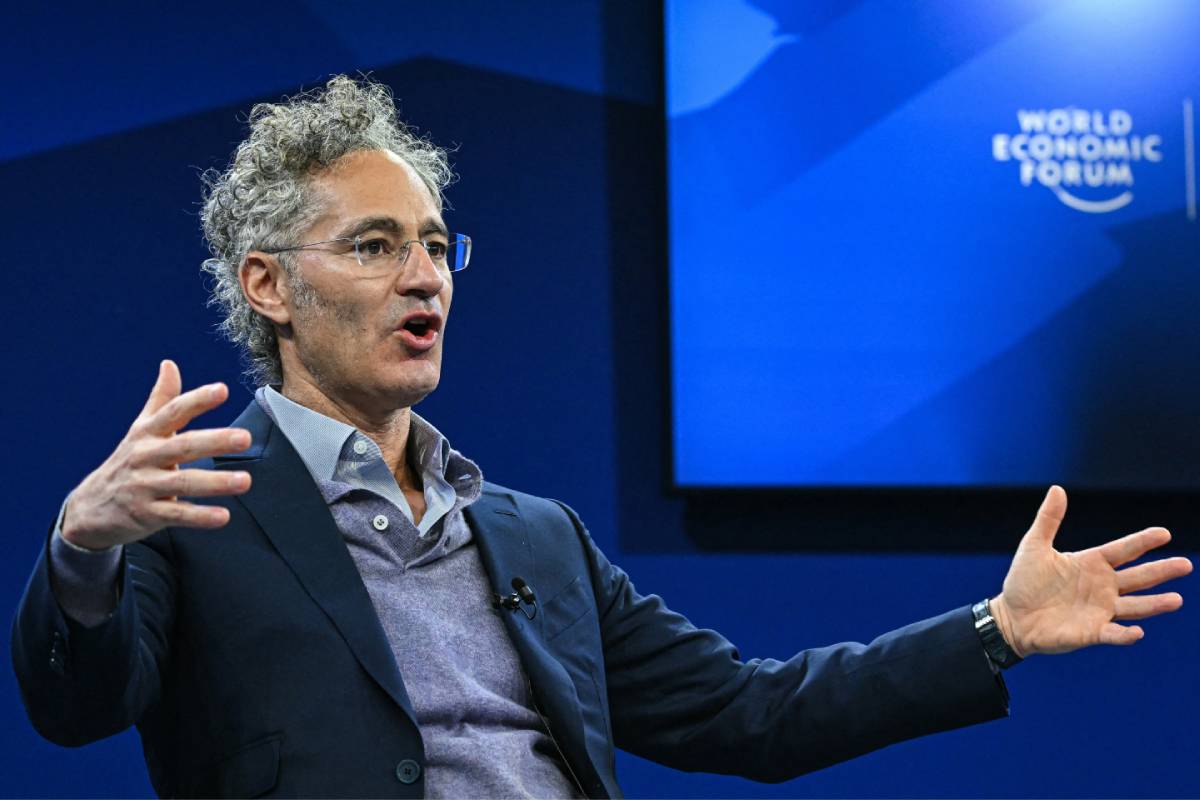
A major debate has been ignited after Alex Karp, chief executive of Palantir Technologies, warned that the AI era will favor only select groups of workers. His remarks signal a growing divide in the global labor market, with significant implications for education systems, workforce strategy, and economic inequality.
Alex Karp stated that individuals most likely to succeed in the AI-driven economy fall into two categories: skilled trade workers or those who are neurodivergent and capable of unconventional thinking. His comments come amid accelerating adoption of artificial intelligence across industries, reshaping job roles and skill requirements.
Karp emphasized the need for practical, vocational skills alongside cognitive diversity, arguing that traditional white-collar career paths may face disruption. The remarks also reflect concerns among business leaders about talent shortages in both technical and non-automatable roles, as companies rapidly deploy AI systems to improve productivity and reduce costs.
The development aligns with a broader global trend where artificial intelligence is redefining the nature of work and skill demand. Automation and generative AI tools are increasingly capable of performing routine cognitive tasks, raising concerns about the future of traditional knowledge-based roles.
At the same time, demand is rising for workers in skilled trades such as manufacturing, construction, and maintenance where automation remains limited. Parallel to this, organizations are recognizing the value of diverse cognitive approaches, particularly in fields requiring creativity, problem-solving, and complex system design.
Historically, technological revolutions have reshaped labor markets by displacing certain roles while creating new ones. However, the pace and scale of AI-driven transformation are intensifying debates about inequality, workforce readiness, and the role of education systems in preparing future talent.
Industry experts are divided on Karp’s assessment. Some analysts agree that AI will disproportionately reward individuals with specialized skills or unique cognitive abilities, particularly those capable of working alongside advanced systems.
Others caution that framing the future workforce in narrow categories may oversimplify a complex transition. Economists argue that while certain roles may decline, new categories of employment will emerge, requiring hybrid skill sets that combine technical knowledge with human-centric capabilities.
Workforce strategists emphasize that adaptability, continuous learning, and digital literacy will remain critical across sectors. Meanwhile, policymakers and educators are increasingly focused on reskilling initiatives and vocational training programs to address potential labor market disruptions and ensure broader participation in the AI economy.
For global executives, Karp’s remarks highlight the urgency of rethinking talent strategies in an AI-driven environment. Companies may need to invest more heavily in workforce reskilling, vocational training partnerships, and inclusive hiring practices that value diverse cognitive strengths.
Investors could see shifting labor dynamics influence productivity, cost structures, and long-term growth potential across industries. From a policy perspective, governments may face increased pressure to reform education systems, expand technical training programs, and address widening income inequality.
The discussion underscores the importance of aligning workforce development with the realities of rapid technological change. Looking ahead, the debate sparked by Karp’s comments is likely to intensify as AI adoption accelerates. Businesses, educators, and policymakers will need to collaborate to build more resilient and inclusive labor markets. The future of work may not be defined by narrow categories, but by how effectively individuals and institutions adapt to continuous technological disruption.
Source: Fortune
Date: March 24, 2026


