
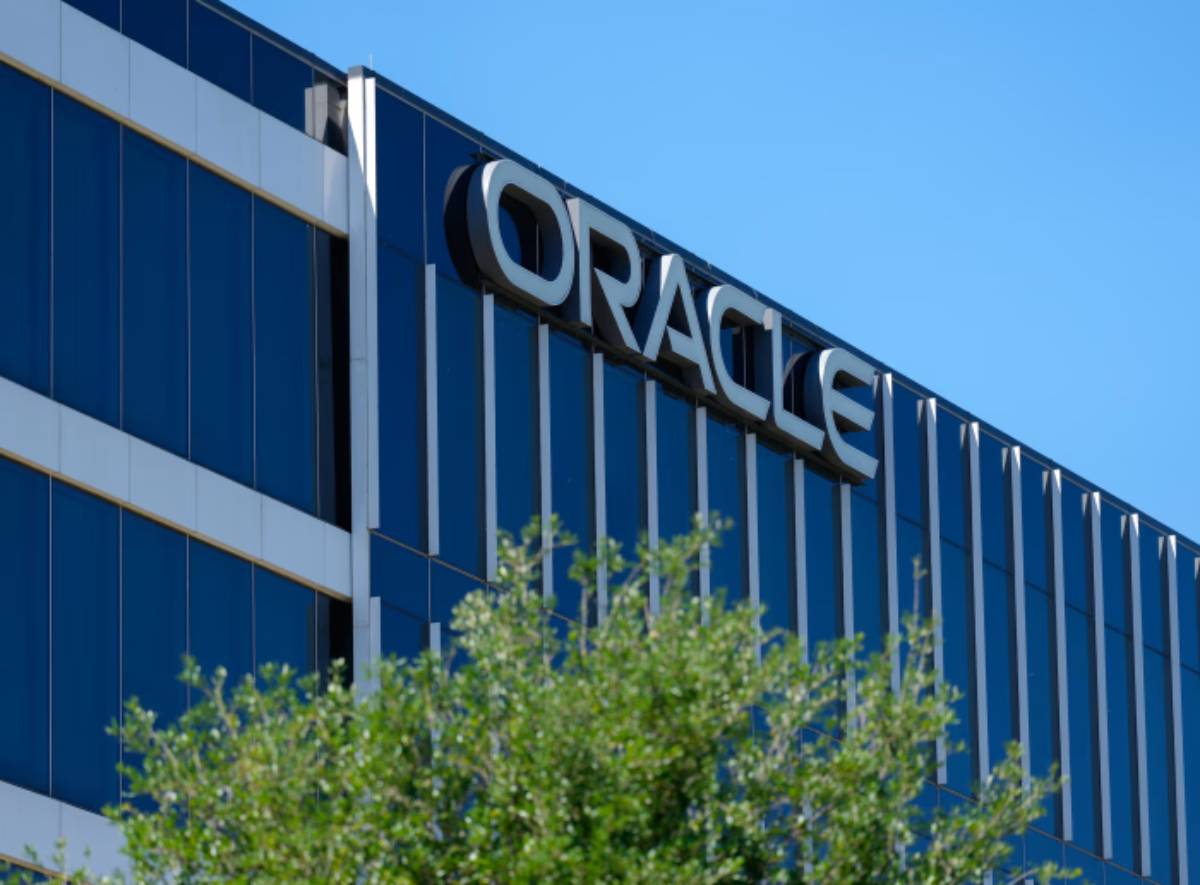
Oracle Axes Workforce, Boosts AI Focus

Oracle revealed plans to lay off a substantial portion of its workforce, effective immediately, as part of a broader strategy to offset rising expenditures on AI research, development, and deployment.

April 2, 2026
|

A major development unfolded as Oracle announced layoffs affecting thousands of employees to reallocate resources toward AI investments. The decision highlights the strategic prioritization of AI initiatives over traditional operations, carrying significant implications for workforce management, investor confidence, and competitive positioning in the global enterprise software market.

Oracle revealed plans to lay off a substantial portion of its workforce, effective immediately, as part of a broader strategy to offset rising expenditures on AI research, development, and deployment.

The company’s AI spending targets include generative AI integration across cloud services and enterprise applications, positioning Oracle as a direct competitor to peers such as Microsoft and Google.

Executives have emphasized that the restructuring aims to balance operational costs with long-term AI-driven growth. Investors and market analysts are closely watching the financial impact, while employees and clients face uncertainty regarding service continuity, talent retention, and project timelines.

The development aligns with a broader trend across global technology markets, where major software and cloud providers are aggressively investing in AI capabilities to secure future growth. Companies are increasingly reallocating resources from legacy operations toward AI-driven platforms, tools, and services.

Oracle’s move follows similar cost-optimization and workforce restructuring initiatives seen at peers like Microsoft and Salesforce in recent years, reflecting the high-stakes nature of AI competition. With enterprise AI adoption accelerating, firms face pressure to balance innovation spending against profitability and investor expectations.

Historically, such strategic shifts have prompted both short-term volatility in stock valuations and long-term positioning advantages for leaders in emerging technologies. Oracle’s restructuring highlights the intersection of workforce management, capital allocation, and competitive strategy in an AI-driven enterprise software landscape.

Industry analysts view the layoffs as a necessary but challenging step to fund AI ambitions. “Oracle is signaling its commitment to AI by reallocating human and financial resources, but managing morale and operational continuity will be critical,” notes a senior technology analyst.

Corporate spokespeople have framed the layoffs as part of a disciplined strategy to reinvest in next-generation AI capabilities, emphasizing long-term growth and innovation. “Our focus remains on building the AI infrastructure and applications our customers demand while ensuring the company remains financially resilient,” stated an Oracle executive.

Market observers suggest that these actions reflect broader pressures on tech companies to prioritize AI spending, even at the cost of traditional revenue streams. Analysts warn that investor confidence will hinge on Oracle’s ability to translate AI investments into tangible enterprise solutions and sustained competitive advantage.

For global executives, Oracle’s restructuring illustrates the need to align innovation priorities with cost management. Businesses adopting Oracle’s AI solutions may benefit from enhanced capabilities, but must remain aware of potential service disruptions and talent transitions.

Investors could interpret the layoffs as a risk-mitigating step to sustain profitability amid high AI spending, affecting valuations and market sentiment. Regulators may also scrutinize labor practices and disclosure of workforce changes in relation to AI investment strategies.

The move signals that operational agility, capital reallocation, and workforce management are becoming increasingly critical for companies competing in the AI-driven enterprise software market.

Looking ahead, stakeholders will monitor how effectively Oracle leverages its AI investments to drive revenue growth, market share, and enterprise adoption. Decision-makers should watch for talent retention challenges, product rollout timelines, and investor reactions.

Uncertainties remain regarding the long-term financial impact, workforce morale, and competitive positioning. Oracle’s strategic pivot underscores the high stakes of AI adoption and resource allocation in reshaping the global technology landscape.

Source: Gizmodo
Date: April 2026

  • Featured tools
Hostinger Website Builder
Paid

Hostinger Website Builder is a drag-and-drop website creator bundled with hosting and AI-powered tools, designed for businesses, blogs and small shops with minimal technical effort.It makes launching a site fast and affordable, with templates, responsive design and built-in hosting all in one.

#
Productivity
#
Startup Tools
#
Ecommerce
Learn more
Upscayl AI
Free

Upscayl AI is a free, open-source AI-powered tool that enhances and upscales images to higher resolutions. It transforms blurry or low-quality visuals into sharp, detailed versions with ease.

#
Productivity
Learn more

Learn more about future of AI

Join 80,000+ Ai enthusiast getting weekly updates on exciting AI tools.
Thank you! Your submission has been received!
Oops! Something went wrong while submitting the form.

Oracle Axes Workforce, Boosts AI Focus

April 2, 2026

Oracle revealed plans to lay off a substantial portion of its workforce, effective immediately, as part of a broader strategy to offset rising expenditures on AI research, development, and deployment.

A major development unfolded as Oracle announced layoffs affecting thousands of employees to reallocate resources toward AI investments. The decision highlights the strategic prioritization of AI initiatives over traditional operations, carrying significant implications for workforce management, investor confidence, and competitive positioning in the global enterprise software market.

Oracle revealed plans to lay off a substantial portion of its workforce, effective immediately, as part of a broader strategy to offset rising expenditures on AI research, development, and deployment.

The company’s AI spending targets include generative AI integration across cloud services and enterprise applications, positioning Oracle as a direct competitor to peers such as Microsoft and Google.

Executives have emphasized that the restructuring aims to balance operational costs with long-term AI-driven growth. Investors and market analysts are closely watching the financial impact, while employees and clients face uncertainty regarding service continuity, talent retention, and project timelines.

The development aligns with a broader trend across global technology markets, where major software and cloud providers are aggressively investing in AI capabilities to secure future growth. Companies are increasingly reallocating resources from legacy operations toward AI-driven platforms, tools, and services.

Oracle’s move follows similar cost-optimization and workforce restructuring initiatives seen at peers like Microsoft and Salesforce in recent years, reflecting the high-stakes nature of AI competition. With enterprise AI adoption accelerating, firms face pressure to balance innovation spending against profitability and investor expectations.

Historically, such strategic shifts have prompted both short-term volatility in stock valuations and long-term positioning advantages for leaders in emerging technologies. Oracle’s restructuring highlights the intersection of workforce management, capital allocation, and competitive strategy in an AI-driven enterprise software landscape.

Industry analysts view the layoffs as a necessary but challenging step to fund AI ambitions. “Oracle is signaling its commitment to AI by reallocating human and financial resources, but managing morale and operational continuity will be critical,” notes a senior technology analyst.

Corporate spokespeople have framed the layoffs as part of a disciplined strategy to reinvest in next-generation AI capabilities, emphasizing long-term growth and innovation. “Our focus remains on building the AI infrastructure and applications our customers demand while ensuring the company remains financially resilient,” stated an Oracle executive.

Market observers suggest that these actions reflect broader pressures on tech companies to prioritize AI spending, even at the cost of traditional revenue streams. Analysts warn that investor confidence will hinge on Oracle’s ability to translate AI investments into tangible enterprise solutions and sustained competitive advantage.

For global executives, Oracle’s restructuring illustrates the need to align innovation priorities with cost management. Businesses adopting Oracle’s AI solutions may benefit from enhanced capabilities, but must remain aware of potential service disruptions and talent transitions.

Investors could interpret the layoffs as a risk-mitigating step to sustain profitability amid high AI spending, affecting valuations and market sentiment. Regulators may also scrutinize labor practices and disclosure of workforce changes in relation to AI investment strategies.

The move signals that operational agility, capital reallocation, and workforce management are becoming increasingly critical for companies competing in the AI-driven enterprise software market.

Looking ahead, stakeholders will monitor how effectively Oracle leverages its AI investments to drive revenue growth, market share, and enterprise adoption. Decision-makers should watch for talent retention challenges, product rollout timelines, and investor reactions.

Uncertainties remain regarding the long-term financial impact, workforce morale, and competitive positioning. Oracle’s strategic pivot underscores the high stakes of AI adoption and resource allocation in reshaping the global technology landscape.

Source: Gizmodo
Date: April 2026

Promote Your Tool

Copy Embed Code

Similar Blogs

April 29, 2026
|

Dell XPS 16 Balances Performance Pricing Trade-Off

The Dell XPS 16 positions itself as a flagship large-screen laptop offering strong performance, premium design, and advanced display capabilities.
Read more
April 29, 2026
|

Logitech Redefines Gaming Hybrid Keyboard Innovation

The Logitech G512 X gaming keyboard integrates a hybrid switch architecture combining mechanical responsiveness with analog-level input control.
Read more
April 29, 2026
|

Acer Predator Deal Signals Gaming Hardware Shift

The Acer Predator Helios Neo 16 AI gaming laptop is currently available at a discount of approximately $560, positioning it as a competitively priced high-end device.
Read more
April 29, 2026
|

Elgato 4K Webcam Redefines Video Standards

The Elgato Facecam 4K webcam is currently being offered at approximately $160, positioning it competitively within the premium webcam segment.
Read more
April 29, 2026
|

Musk Altman Clash Exposes Global AI Faultlines

The opening day of the legal confrontation between Musk and Altman centered on disputes tied to the origins and direction of OpenAI.
Read more
April 29, 2026
|

Viture Beast Signals Breakthrough in AR Displays

The Viture Beast display glasses introduce a high-resolution virtual screen experience, enabling users to project large-format displays through lightweight wearable hardware.
Read more