
OpenClaw AI Agent Sparks Data Privacy Alarm

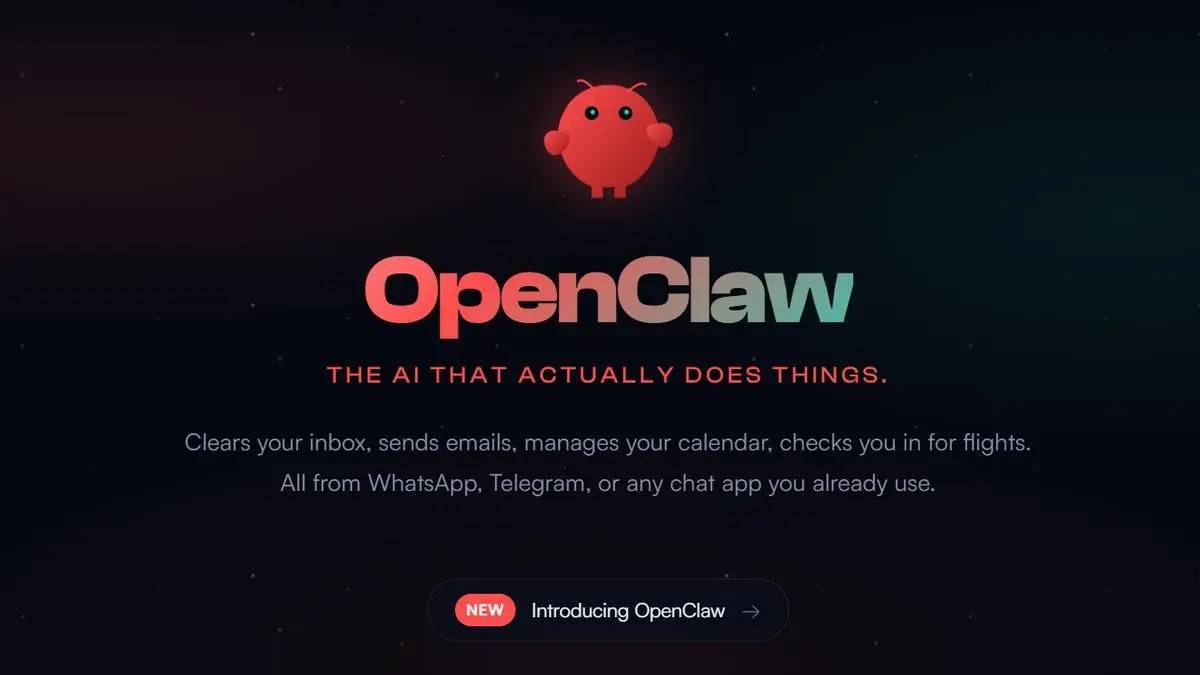
OpenClaw, an AI-powered autonomous agent, has drawn scrutiny for its ability to interact extensively with user systems, applications, and online platforms.

February 24, 2026
|

A fresh controversy has emerged in the AI ecosystem as experts warn that the OpenClaw AI agent poses significant privacy risks. The tool’s design, which reportedly enables deep system access and autonomous task execution, has triggered concerns among cybersecurity specialists, regulators, and enterprise leaders about data exposure and surveillance vulnerabilities.

OpenClaw, an AI-powered autonomous agent, has drawn scrutiny for its ability to interact extensively with user systems, applications, and online platforms.

Experts caution that such agents, if improperly secured, could access sensitive emails, financial records, proprietary business documents, and personal data. The concern centers on how data is collected, stored, and potentially transmitted during task automation.

Cybersecurity researchers have flagged risks tied to insufficient transparency, limited user control, and unclear data retention policies.

Stakeholders include technology developers, enterprise adopters, regulators, and consumers. The debate comes at a time when AI agents are rapidly evolving from chat interfaces to system-level operators capable of independent digital actions.

The controversy aligns with a broader industry shift toward autonomous AI agents capable of executing multi-step tasks across software ecosystems. Unlike traditional chatbots, these agents can browse the web, send messages, manage files, and integrate across enterprise platforms.

This evolution significantly expands AI’s utility but also its attack surface. Over the past year, businesses worldwide have integrated AI copilots into productivity suites, finance tools, and customer service operations. However, as AI systems gain deeper permissions, data governance risks multiply.

Geopolitically, governments across the U.S., Europe, and Asia are intensifying scrutiny of AI governance frameworks. Regulatory regimes such as the EU’s AI Act and evolving U.S. state-level privacy laws reflect rising anxiety about unchecked data collection and algorithmic opacity.

For executives, the OpenClaw debate underscores a critical inflection point: balancing automation gains with cybersecurity resilience and regulatory compliance.

Privacy scholars argue that autonomous agents introduce a “compound risk” environment, where one vulnerability can cascade across interconnected systems. Experts suggest that without strict sandboxing, encryption protocols, and audit trails, AI agents could become high-value targets for cybercriminals.

Cybersecurity analysts emphasize that enterprises must evaluate permission layers and identity management structures before deployment. Some industry observers note that while AI agents promise productivity gains, insufficient oversight could erode user trust and trigger reputational damage.

Developers of AI systems broadly maintain that safeguards, transparency tools, and consent mechanisms are improving. However, policy analysts stress that regulatory clarity around liability and accountability remains incomplete, particularly when autonomous systems make independent decisions on behalf of users.

The debate reflects a broader tension between innovation velocity and governance readiness.

For global executives, the controversy signals the need for stricter internal AI governance frameworks. Companies may need to reassess vendor due diligence, cybersecurity architecture, and compliance readiness before integrating autonomous agents into critical workflows.

Investors are likely to differentiate between firms that prioritize responsible AI deployment and those that move aggressively without clear safeguards.

From a policy perspective, regulators may accelerate efforts to define accountability standards for AI agents operating with system-level permissions. Data localization, transparency mandates, and algorithmic audits could become central requirements.

The competitive advantage in AI may increasingly hinge not only on capability but on trust and regulatory alignment.

As AI agents grow more autonomous, scrutiny will intensify. Decision-makers should monitor regulatory developments, enterprise adoption patterns, and cybersecurity incidents linked to agent-based systems.

The next phase of AI innovation will test whether governance frameworks can evolve as rapidly as the technology itself a defining challenge for both corporate leaders and policymakers.

Source: Northeastern University News
Date: February 10, 2026

  • Featured tools
Outplay AI
Free

Outplay AI is a dynamic sales engagement platform combining AI-powered outreach, multi-channel automation, and performance tracking to help teams optimize conversion and pipeline generation.

#
Sales
Learn more
Writesonic AI
Free

Writesonic AI is a versatile AI writing platform designed for marketers, entrepreneurs, and content creators. It helps users create blog posts, ad copies, product descriptions, social media posts, and more with ease. With advanced AI models and user-friendly tools, Writesonic streamlines content production and saves time for busy professionals.

#
Copywriting
Learn more

Learn more about future of AI

Join 80,000+ Ai enthusiast getting weekly updates on exciting AI tools.
Thank you! Your submission has been received!
Oops! Something went wrong while submitting the form.

OpenClaw AI Agent Sparks Data Privacy Alarm

February 24, 2026

OpenClaw, an AI-powered autonomous agent, has drawn scrutiny for its ability to interact extensively with user systems, applications, and online platforms.

A fresh controversy has emerged in the AI ecosystem as experts warn that the OpenClaw AI agent poses significant privacy risks. The tool’s design, which reportedly enables deep system access and autonomous task execution, has triggered concerns among cybersecurity specialists, regulators, and enterprise leaders about data exposure and surveillance vulnerabilities.

OpenClaw, an AI-powered autonomous agent, has drawn scrutiny for its ability to interact extensively with user systems, applications, and online platforms.

Experts caution that such agents, if improperly secured, could access sensitive emails, financial records, proprietary business documents, and personal data. The concern centers on how data is collected, stored, and potentially transmitted during task automation.

Cybersecurity researchers have flagged risks tied to insufficient transparency, limited user control, and unclear data retention policies.

Stakeholders include technology developers, enterprise adopters, regulators, and consumers. The debate comes at a time when AI agents are rapidly evolving from chat interfaces to system-level operators capable of independent digital actions.

The controversy aligns with a broader industry shift toward autonomous AI agents capable of executing multi-step tasks across software ecosystems. Unlike traditional chatbots, these agents can browse the web, send messages, manage files, and integrate across enterprise platforms.

This evolution significantly expands AI’s utility but also its attack surface. Over the past year, businesses worldwide have integrated AI copilots into productivity suites, finance tools, and customer service operations. However, as AI systems gain deeper permissions, data governance risks multiply.

Geopolitically, governments across the U.S., Europe, and Asia are intensifying scrutiny of AI governance frameworks. Regulatory regimes such as the EU’s AI Act and evolving U.S. state-level privacy laws reflect rising anxiety about unchecked data collection and algorithmic opacity.

For executives, the OpenClaw debate underscores a critical inflection point: balancing automation gains with cybersecurity resilience and regulatory compliance.

Privacy scholars argue that autonomous agents introduce a “compound risk” environment, where one vulnerability can cascade across interconnected systems. Experts suggest that without strict sandboxing, encryption protocols, and audit trails, AI agents could become high-value targets for cybercriminals.

Cybersecurity analysts emphasize that enterprises must evaluate permission layers and identity management structures before deployment. Some industry observers note that while AI agents promise productivity gains, insufficient oversight could erode user trust and trigger reputational damage.

Developers of AI systems broadly maintain that safeguards, transparency tools, and consent mechanisms are improving. However, policy analysts stress that regulatory clarity around liability and accountability remains incomplete, particularly when autonomous systems make independent decisions on behalf of users.

The debate reflects a broader tension between innovation velocity and governance readiness.

For global executives, the controversy signals the need for stricter internal AI governance frameworks. Companies may need to reassess vendor due diligence, cybersecurity architecture, and compliance readiness before integrating autonomous agents into critical workflows.

Investors are likely to differentiate between firms that prioritize responsible AI deployment and those that move aggressively without clear safeguards.

From a policy perspective, regulators may accelerate efforts to define accountability standards for AI agents operating with system-level permissions. Data localization, transparency mandates, and algorithmic audits could become central requirements.

The competitive advantage in AI may increasingly hinge not only on capability but on trust and regulatory alignment.

As AI agents grow more autonomous, scrutiny will intensify. Decision-makers should monitor regulatory developments, enterprise adoption patterns, and cybersecurity incidents linked to agent-based systems.

The next phase of AI innovation will test whether governance frameworks can evolve as rapidly as the technology itself a defining challenge for both corporate leaders and policymakers.

Source: Northeastern University News
Date: February 10, 2026

Promote Your Tool

Copy Embed Code

Similar Blogs

March 4, 2026
|

CoreLogic AI Expands Intelligent Risk Solutions Across Property Markets

CoreLogic AI is advancing AI-driven platforms designed to enhance property valuation models, automate underwriting insights, and strengthen catastrophe risk forecasting.
Read more
March 4, 2026
|

Abridge Scales Generative AI to Transform Clinical Documentation

Abridge has built an AI-powered system that converts doctor-patient conversations into structured clinical notes integrated directly into electronic health records (EHRs).
Read more
March 4, 2026
|

Mindgrasp AI Emerges as Strategic Global EdTech Disruptor

Mindgrasp AI has introduced an AI-driven study assistant that converts lectures, PDFs, videos, and textbooks into summaries, notes, flashcards, and quizzes within seconds.
Read more
March 4, 2026
|

Social Catfish AI Expands AI-Driven Identity Verification as Fraud Rises

Social Catfish provides reverse image search, email and phone lookup, username tracing, and background checks designed to verify digital identities.
Read more
March 2, 2026
|

Ideogram AI Boosts Visual Creativity, Revolutionizing Content Production

Ideogram AI leverages advanced generative algorithms to produce images from text prompts, offering customization, style transfer, and real-time iterative adjustments.
Read more
March 2, 2026
|

Pixelcut Rises as AI Photo Editing Powerhouse

Pixelcut, available via the Google Play Store, offers automated background removal, AI-generated product photography, image upscaling, and design templates tailored for social commerce.
Read more