
New Zealand Uses AI to Transform Infrastructure Planning

Microsoft is supporting the initiative through cloud and AI capabilities, helping integrate large datasets into actionable insights. The approach aims to reduce project delays, optimize resource allocation, and improve safety outcomes.

April 21, 2026
|
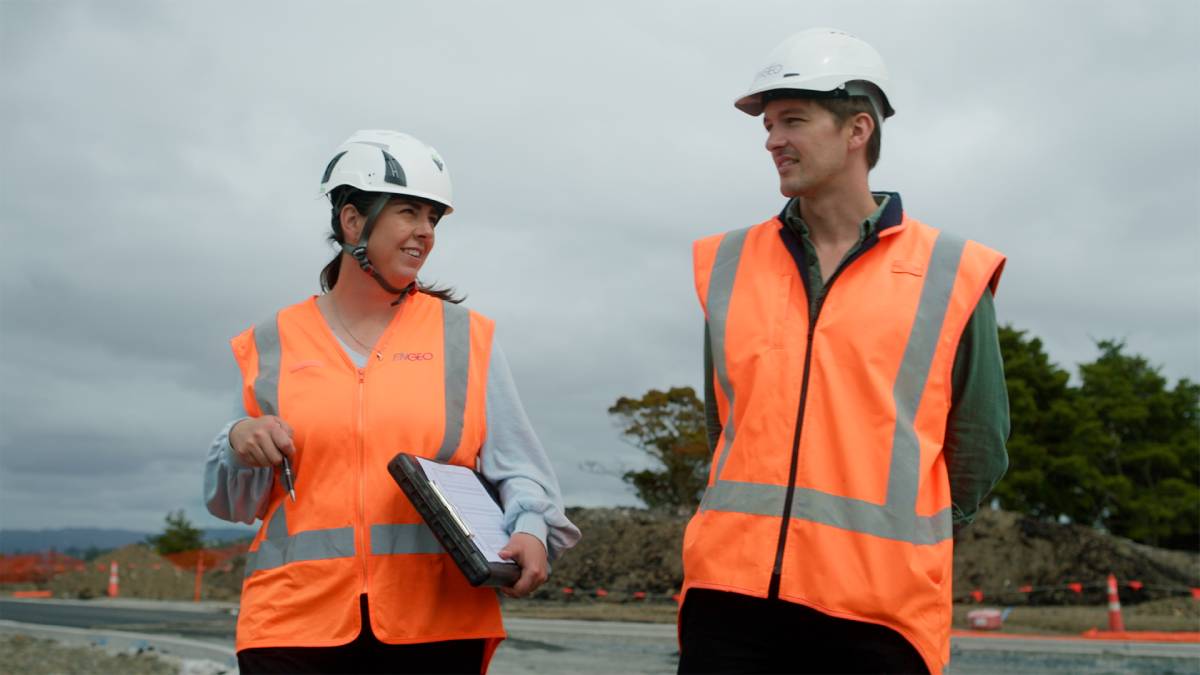
Image Source:  Microsoft News

New Zealand is deploying AI models to analyze geotechnical data such as soil composition, land stability, and environmental conditions to inform construction and infrastructure projects. The system enables engineers and planners to make more accurate predictions about ground behavior and potential risks.

Microsoft is supporting the initiative through cloud and AI capabilities, helping integrate large datasets into actionable insights. The approach aims to reduce project delays, optimize resource allocation, and improve safety outcomes.

The technology is being applied across infrastructure planning processes, reflecting a broader push to modernize engineering practices and enhance resilience in the face of environmental challenges.

The initiative aligns with a broader trend across global markets where AI is being integrated into infrastructure development and urban planning. Governments and private sector players are increasingly adopting advanced analytics to improve efficiency, reduce costs, and address climate-related risks.

New Zealand’s geography characterized by seismic activity and diverse terrain makes geotechnical analysis particularly critical. Traditional methods often rely on limited datasets and manual interpretation, which can lead to uncertainties in planning and execution.

Globally, infrastructure investment is under pressure to deliver more resilient and sustainable outcomes. The integration of AI into engineering workflows represents a shift toward predictive and adaptive systems, enabling better decision-making in complex environments. This approach is gaining traction as countries seek to future-proof infrastructure against both natural and economic disruptions.

Industry experts view the use of AI in geotechnical analysis as a significant advancement in engineering practices. Analysts suggest that combining large-scale data with machine learning can improve accuracy and reduce risks associated with construction projects.

Microsoft has emphasized the role of its cloud platform in enabling scalable data processing and real-time insights, supporting more informed decision-making. Engineering professionals highlight that AI can augment traditional expertise, allowing teams to focus on strategic planning rather than manual data analysis.

Market observers note that while the technology offers clear benefits, its success depends on data quality, integration, and user adoption. Experts also stress the importance of maintaining human oversight to validate AI-driven recommendations and ensure accountability in critical infrastructure decisions.

For global executives, the initiative demonstrates how AI can unlock efficiencies in infrastructure and construction sectors, traditionally seen as slow to adopt digital technologies. Companies may increasingly invest in data-driven tools to improve project outcomes and competitiveness.

Investors are likely to view such developments as indicators of long-term growth in smart infrastructure and engineering technology markets. Firms specializing in AI-driven analytics could benefit from rising demand.

From a policy perspective, governments may explore similar approaches to enhance infrastructure resilience and sustainability. The integration of AI into public projects could also require updated regulatory frameworks to address data governance and accountability.

Looking ahead, the adoption of AI-driven geotechnical analysis in New Zealand could expand to broader infrastructure and environmental applications. Stakeholders should monitor scalability, cross-sector adoption, and measurable improvements in project outcomes.

As infrastructure demands grow more complex, the integration of AI and data analytics is set to become a defining factor in building resilient and future-ready economies.

Source: Microsoft News
Date: April 2026

  • Featured tools
Kreateable AI
Free

Kreateable AI is a white-label, AI-driven design platform that enables logo generation, social media posts, ads, and more for businesses, agencies, and service providers.

#
Logo Generator
Learn more
Ai Fiesta
Paid

AI Fiesta is an all-in-one productivity platform that gives users access to multiple leading AI models through a single interface. It includes features like prompt enhancement, image generation, audio transcription and side-by-side model comparison.

#
Copywriting
#
Art Generator
Learn more

Learn more about future of AI

Join 80,000+ Ai enthusiast getting weekly updates on exciting AI tools.
Thank you! Your submission has been received!
Oops! Something went wrong while submitting the form.

New Zealand Uses AI to Transform Infrastructure Planning

April 21, 2026

Microsoft is supporting the initiative through cloud and AI capabilities, helping integrate large datasets into actionable insights. The approach aims to reduce project delays, optimize resource allocation, and improve safety outcomes.

Image Source:  Microsoft News

New Zealand is deploying AI models to analyze geotechnical data such as soil composition, land stability, and environmental conditions to inform construction and infrastructure projects. The system enables engineers and planners to make more accurate predictions about ground behavior and potential risks.

Microsoft is supporting the initiative through cloud and AI capabilities, helping integrate large datasets into actionable insights. The approach aims to reduce project delays, optimize resource allocation, and improve safety outcomes.

The technology is being applied across infrastructure planning processes, reflecting a broader push to modernize engineering practices and enhance resilience in the face of environmental challenges.

The initiative aligns with a broader trend across global markets where AI is being integrated into infrastructure development and urban planning. Governments and private sector players are increasingly adopting advanced analytics to improve efficiency, reduce costs, and address climate-related risks.

New Zealand’s geography characterized by seismic activity and diverse terrain makes geotechnical analysis particularly critical. Traditional methods often rely on limited datasets and manual interpretation, which can lead to uncertainties in planning and execution.

Globally, infrastructure investment is under pressure to deliver more resilient and sustainable outcomes. The integration of AI into engineering workflows represents a shift toward predictive and adaptive systems, enabling better decision-making in complex environments. This approach is gaining traction as countries seek to future-proof infrastructure against both natural and economic disruptions.

Industry experts view the use of AI in geotechnical analysis as a significant advancement in engineering practices. Analysts suggest that combining large-scale data with machine learning can improve accuracy and reduce risks associated with construction projects.

Microsoft has emphasized the role of its cloud platform in enabling scalable data processing and real-time insights, supporting more informed decision-making. Engineering professionals highlight that AI can augment traditional expertise, allowing teams to focus on strategic planning rather than manual data analysis.

Market observers note that while the technology offers clear benefits, its success depends on data quality, integration, and user adoption. Experts also stress the importance of maintaining human oversight to validate AI-driven recommendations and ensure accountability in critical infrastructure decisions.

For global executives, the initiative demonstrates how AI can unlock efficiencies in infrastructure and construction sectors, traditionally seen as slow to adopt digital technologies. Companies may increasingly invest in data-driven tools to improve project outcomes and competitiveness.

Investors are likely to view such developments as indicators of long-term growth in smart infrastructure and engineering technology markets. Firms specializing in AI-driven analytics could benefit from rising demand.

From a policy perspective, governments may explore similar approaches to enhance infrastructure resilience and sustainability. The integration of AI into public projects could also require updated regulatory frameworks to address data governance and accountability.

Looking ahead, the adoption of AI-driven geotechnical analysis in New Zealand could expand to broader infrastructure and environmental applications. Stakeholders should monitor scalability, cross-sector adoption, and measurable improvements in project outcomes.

As infrastructure demands grow more complex, the integration of AI and data analytics is set to become a defining factor in building resilient and future-ready economies.

Source: Microsoft News
Date: April 2026

Promote Your Tool

Copy Embed Code

Similar Blogs

April 21, 2026
|

User Control Over AI Personalization Gains Momentum

The focus is on user-level controls that allow individuals to restrict or disable AI-powered features within major platforms. These tools are being positioned as part of broader privacy and customization settings that let users reduce algorithmic personalization in search, productivity.
Read more
April 21, 2026
|

AI Identity Verification Fuels Bot-Authentication Arms Race

The discussion centers on evolving verification systems designed to confirm whether online users are human, as AI-generated responses become harder to detect.
Read more
April 21, 2026
|

Plugable USB C Hub Deal Boosts Multi-Device Workflows

he Plugable USB-C hub 10-in-1 is being offered at a reduced price of approximately $52, positioning it as a cost-effective solution for users managing multiple peripherals.
Read more
April 21, 2026
|

Insta360 Adds Screens to Wireless Mics for Creators

The upcoming wireless microphone system from Insta360 introduces integrated display panels designed to show branding elements, custom visuals, and user-generated content directly on-device.
Read more
April 21, 2026
|

WhatsApp ‘Plus’ Test Signals Paid Messaging Shift

The test phase of WhatsApp’s “Plus” subscription introduces paid features including expanded sticker libraries, personalization options, and potential future productivity tools.
Read more
April 21, 2026
|

Samsung Galaxy Tab A11+ Price Cut Fuels Tablet Competition

The Samsung Galaxy Tab A11 Plus has seen a price cut of approximately $40 on Amazon, positioning it further within the ultra-affordable tablet category.
Read more