



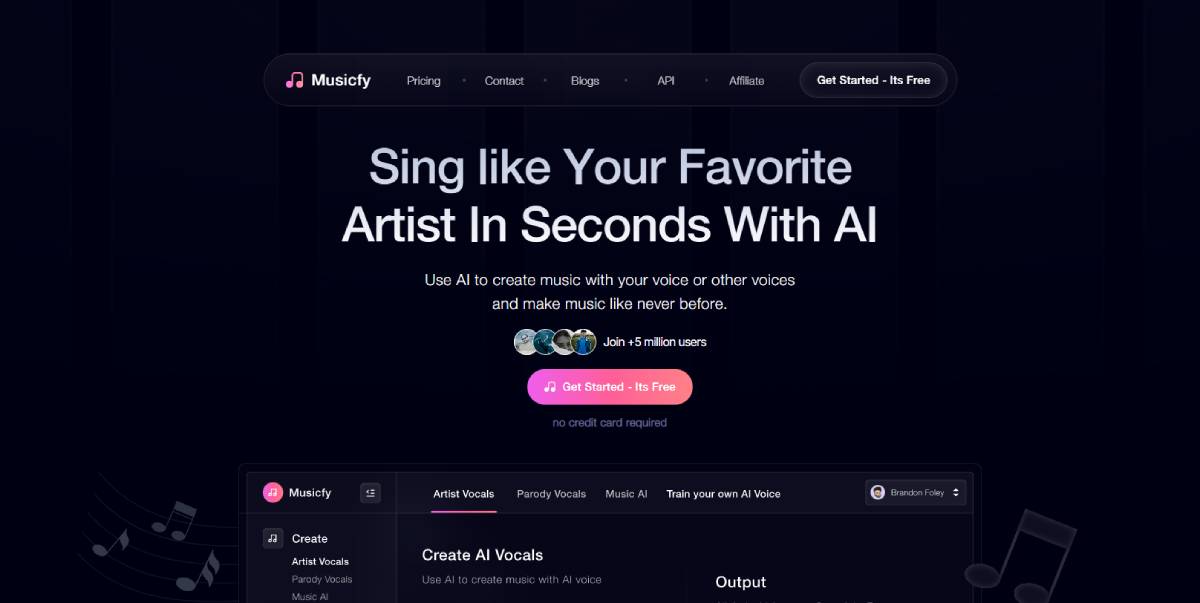
A new wave of AI-powered music production is accelerating as Musicfy introduces automated voice song generation tools for creators worldwide. The platform enables users to produce full vocal tracks without traditional studio recording, signaling structural implications for artists, record labels, and the broader digital music economy.
Musicfy AI allows users to generate AI-powered songs using synthetic vocals and customizable styles. The platform eliminates the need for physical recording equipment, enabling instant production from text prompts or uploaded compositions. Its target audience includes independent musicians, content creators, and social media influencers seeking scalable audio content.
The technology supports voice modeling and stylistic adjustments, potentially replicating varied vocal tones. By lowering entry barriers, Musicfy positions itself within the expanding creator economy where speed and output volume drive monetization. Subscription-based access suggests a SaaS-driven revenue model, aligning with broader AI tool commercialization strategies.
The development aligns with a broader transformation in creative industries, where generative AI is reshaping music composition, production, and distribution. Streaming platforms have intensified competition among artists, increasing pressure to release content frequently to maintain algorithmic visibility. AI-generated vocals reduce production time and cost, enabling rapid experimentation.
At the same time, synthetic voice technology has sparked debates around copyright, artist likeness rights, and intellectual property protections. High-profile controversies involving AI-generated songs mimicking established artists have drawn regulatory attention globally.
For record labels and entertainment conglomerates, AI voice generation represents both opportunity and risk offering scalable content creation while challenging traditional royalty structures and contractual frameworks. The convergence of generative AI and digital distribution is redefining how music is created, monetized, and governed.
Music industry analysts suggest AI voice tools could democratize music production, enabling global participation beyond traditional studio ecosystems. Digital rights experts, however, emphasize the urgent need for licensing frameworks to protect artists from unauthorized voice replication. Streaming strategists argue that AI-generated content may flood platforms, increasing competition for listener attention and potentially altering revenue distribution models.
Technology ethicists warn that transparent labeling of AI-generated tracks will be essential to maintain consumer trust. Meanwhile, venture capital observers note rising investment interest in AI-driven audio startups, viewing the sector as a high-growth intersection of entertainment and machine learning innovation. Musicfy’s platform illustrates how AI is moving from experimental novelty to commercially viable creative infrastructure.
For businesses, AI voice generation offers cost-efficient music production for advertising, gaming, and social media campaigns. Independent creators gain tools to scale output without substantial capital investment. Investors may view AI audio platforms as disruptive forces within the global music licensing and streaming value chain.
Regulators and policymakers, however, may accelerate efforts to establish AI-specific copyright guidelines, particularly around voice likeness and derivative works. Corporate leaders in entertainment must reassess intellectual property protections, licensing agreements, and ethical AI use policies to navigate the evolving regulatory and reputational landscape.
Decision-makers should monitor legal precedents around AI-generated music and voice replication rights. Future growth will depend on balancing innovation with intellectual property safeguards and transparent disclosure practices. Musicfy’s emergence signals a pivotal inflection point: AI-generated vocals are transitioning from experimental tools to mainstream components of the global music production ecosystem.
Source: Musicfy Official Website
Date: March 2, 2026


