
Microsoft CFO Navigates AI Investment Concerns

Microsoft has escalated investments in AI, including generative AI tools and enterprise integration platforms, under the strategic guidance of CEO Satya Nadella and his trusted CFO.

April 2, 2026
|
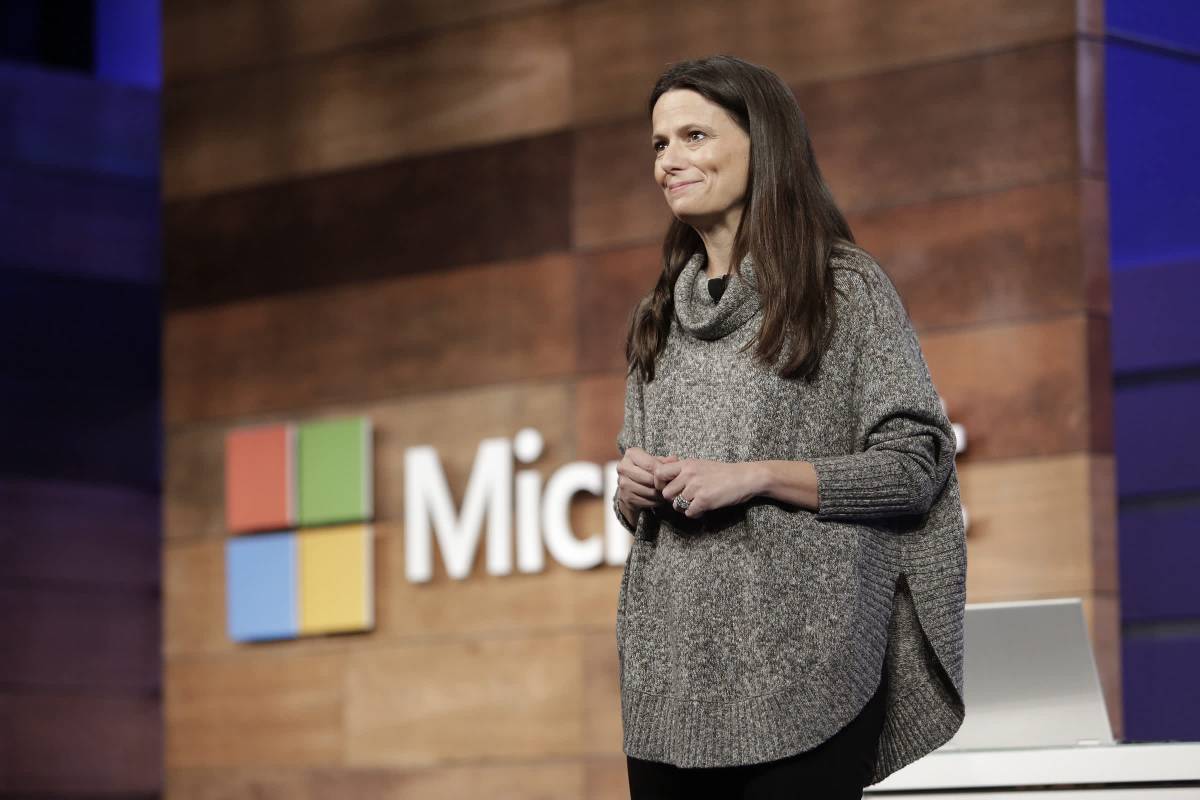
Image source: Jason Redmond | AFP | Getty Images

A major development unfolded as Microsoft’s CFO navigates the company’s ambitious AI spending amid rising market fears of a tech bubble. The move highlights the tension between accelerating innovation in AI and maintaining financial discipline, signaling implications for investors, enterprise clients, and broader technology markets worldwide.

Microsoft has escalated investments in AI, including generative AI tools and enterprise integration platforms, under the strategic guidance of CEO Satya Nadella and his trusted CFO. Internal reports indicate billions allocated toward cloud AI infrastructure and R&D over the next 12–18 months.

While the company aims to lead the AI revolution, analysts note that soaring valuations in tech stocks have intensified concerns about a potential market bubble. Shareholders and institutional investors are closely monitoring spending patterns, return-on-investment timelines, and risk mitigation strategies. The tension between aggressive AI growth and market prudence reflects wider concerns for policy makers and regulators watching over systemic financial exposure in the tech sector.

The development aligns with a broader trend in global markets where AI adoption is accelerating across enterprise sectors, driving strategic investments in cloud computing, automation, and generative intelligence. Microsoft’s investment strategy mirrors competitors like Google and OpenAI, which are also prioritizing AI infrastructure, talent acquisition, and advanced model development.

Historically, rapid technology expansion has occasionally triggered market bubbles, with overvaluation concerns impacting investor confidence. Regulatory authorities in the U.S. and Europe are increasingly focused on both financial and AI governance, scrutinizing tech giants’ spending behaviors and market influence.

Microsoft’s CFO now faces a delicate balance: maintaining investor confidence, sustaining operational growth, and positioning the company as a global AI leader while mitigating perceptions of unsustainable tech valuations.

Analysts underscore the strategic tightrope Microsoft is walking. “The CFO’s role is critical in ensuring that AI investments drive long-term value rather than short-term hype,” notes a senior equity analyst covering the tech sector.

Corporate spokespeople emphasize disciplined budgeting and ROI assessment. Microsoft has reiterated that AI spending will be phased and monitored against revenue growth, efficiency gains, and market demand.

Industry leaders highlight that AI is no longer a peripheral initiative but central to enterprise software, cloud services, and global competitiveness. Investors are evaluating how the company balances rapid innovation with financial stewardship, while regulators may watch for systemic risks tied to excessive tech valuations. The CFO’s guidance is therefore being viewed as a bellwether for responsible AI investment at scale.

For global executives, Microsoft’s approach underscores the importance of aligning innovation investments with financial prudence. Enterprises integrating Microsoft’s AI solutions must consider long-term costs, vendor reliability, and platform scalability.

Investors face heightened scrutiny of tech valuations and the pace of AI-driven revenue growth. Potential market volatility could influence investment decisions and risk appetite.

Regulators may increasingly monitor large-scale AI expenditures to assess systemic financial exposure, as well as compliance with AI governance and data security standards. Companies may need to reassess budget allocations, ROI metrics, and corporate strategy to navigate this intersection of technological ambition and market caution effectively.

Decision-makers should watch Microsoft’s quarterly earnings, AI deployment milestones, and market reactions closely. Future developments may influence investor sentiment across the tech sector and set benchmarks for responsible AI spending.

The uncertainty lies in balancing rapid innovation with financial discipline, managing regulatory scrutiny, and sustaining competitive advantage in a high-stakes AI market. Executives and policymakers alike will be monitoring whether Microsoft can lead in AI while maintaining market stability.

Source: Bloomberg
Date: April 2026

  • Featured tools
Ai Fiesta
Paid

AI Fiesta is an all-in-one productivity platform that gives users access to multiple leading AI models through a single interface. It includes features like prompt enhancement, image generation, audio transcription and side-by-side model comparison.

#
Copywriting
#
Art Generator
Learn more
Tome AI
Free

Tome AI is an AI-powered storytelling and presentation tool designed to help users create compelling narratives and presentations quickly and efficiently. It leverages advanced AI technologies to generate content, images, and animations based on user input.

#
Presentation
#
Startup Tools
Learn more

Learn more about future of AI

Join 80,000+ Ai enthusiast getting weekly updates on exciting AI tools.
Thank you! Your submission has been received!
Oops! Something went wrong while submitting the form.

Microsoft CFO Navigates AI Investment Concerns

April 2, 2026

Microsoft has escalated investments in AI, including generative AI tools and enterprise integration platforms, under the strategic guidance of CEO Satya Nadella and his trusted CFO.

Image source: Jason Redmond | AFP | Getty Images

A major development unfolded as Microsoft’s CFO navigates the company’s ambitious AI spending amid rising market fears of a tech bubble. The move highlights the tension between accelerating innovation in AI and maintaining financial discipline, signaling implications for investors, enterprise clients, and broader technology markets worldwide.

Microsoft has escalated investments in AI, including generative AI tools and enterprise integration platforms, under the strategic guidance of CEO Satya Nadella and his trusted CFO. Internal reports indicate billions allocated toward cloud AI infrastructure and R&D over the next 12–18 months.

While the company aims to lead the AI revolution, analysts note that soaring valuations in tech stocks have intensified concerns about a potential market bubble. Shareholders and institutional investors are closely monitoring spending patterns, return-on-investment timelines, and risk mitigation strategies. The tension between aggressive AI growth and market prudence reflects wider concerns for policy makers and regulators watching over systemic financial exposure in the tech sector.

The development aligns with a broader trend in global markets where AI adoption is accelerating across enterprise sectors, driving strategic investments in cloud computing, automation, and generative intelligence. Microsoft’s investment strategy mirrors competitors like Google and OpenAI, which are also prioritizing AI infrastructure, talent acquisition, and advanced model development.

Historically, rapid technology expansion has occasionally triggered market bubbles, with overvaluation concerns impacting investor confidence. Regulatory authorities in the U.S. and Europe are increasingly focused on both financial and AI governance, scrutinizing tech giants’ spending behaviors and market influence.

Microsoft’s CFO now faces a delicate balance: maintaining investor confidence, sustaining operational growth, and positioning the company as a global AI leader while mitigating perceptions of unsustainable tech valuations.

Analysts underscore the strategic tightrope Microsoft is walking. “The CFO’s role is critical in ensuring that AI investments drive long-term value rather than short-term hype,” notes a senior equity analyst covering the tech sector.

Corporate spokespeople emphasize disciplined budgeting and ROI assessment. Microsoft has reiterated that AI spending will be phased and monitored against revenue growth, efficiency gains, and market demand.

Industry leaders highlight that AI is no longer a peripheral initiative but central to enterprise software, cloud services, and global competitiveness. Investors are evaluating how the company balances rapid innovation with financial stewardship, while regulators may watch for systemic risks tied to excessive tech valuations. The CFO’s guidance is therefore being viewed as a bellwether for responsible AI investment at scale.

For global executives, Microsoft’s approach underscores the importance of aligning innovation investments with financial prudence. Enterprises integrating Microsoft’s AI solutions must consider long-term costs, vendor reliability, and platform scalability.

Investors face heightened scrutiny of tech valuations and the pace of AI-driven revenue growth. Potential market volatility could influence investment decisions and risk appetite.

Regulators may increasingly monitor large-scale AI expenditures to assess systemic financial exposure, as well as compliance with AI governance and data security standards. Companies may need to reassess budget allocations, ROI metrics, and corporate strategy to navigate this intersection of technological ambition and market caution effectively.

Decision-makers should watch Microsoft’s quarterly earnings, AI deployment milestones, and market reactions closely. Future developments may influence investor sentiment across the tech sector and set benchmarks for responsible AI spending.

The uncertainty lies in balancing rapid innovation with financial discipline, managing regulatory scrutiny, and sustaining competitive advantage in a high-stakes AI market. Executives and policymakers alike will be monitoring whether Microsoft can lead in AI while maintaining market stability.

Source: Bloomberg
Date: April 2026

Promote Your Tool

Copy Embed Code

Similar Blogs

April 29, 2026
|

Dell XPS 16 Balances Performance Pricing Trade-Off

The Dell XPS 16 positions itself as a flagship large-screen laptop offering strong performance, premium design, and advanced display capabilities.
Read more
April 29, 2026
|

Logitech Redefines Gaming Hybrid Keyboard Innovation

The Logitech G512 X gaming keyboard integrates a hybrid switch architecture combining mechanical responsiveness with analog-level input control.
Read more
April 29, 2026
|

Acer Predator Deal Signals Gaming Hardware Shift

The Acer Predator Helios Neo 16 AI gaming laptop is currently available at a discount of approximately $560, positioning it as a competitively priced high-end device.
Read more
April 29, 2026
|

Elgato 4K Webcam Redefines Video Standards

The Elgato Facecam 4K webcam is currently being offered at approximately $160, positioning it competitively within the premium webcam segment.
Read more
April 29, 2026
|

Musk Altman Clash Exposes Global AI Faultlines

The opening day of the legal confrontation between Musk and Altman centered on disputes tied to the origins and direction of OpenAI.
Read more
April 29, 2026
|

Viture Beast Signals Breakthrough in AR Displays

The Viture Beast display glasses introduce a high-resolution virtual screen experience, enabling users to project large-format displays through lightweight wearable hardware.
Read more