
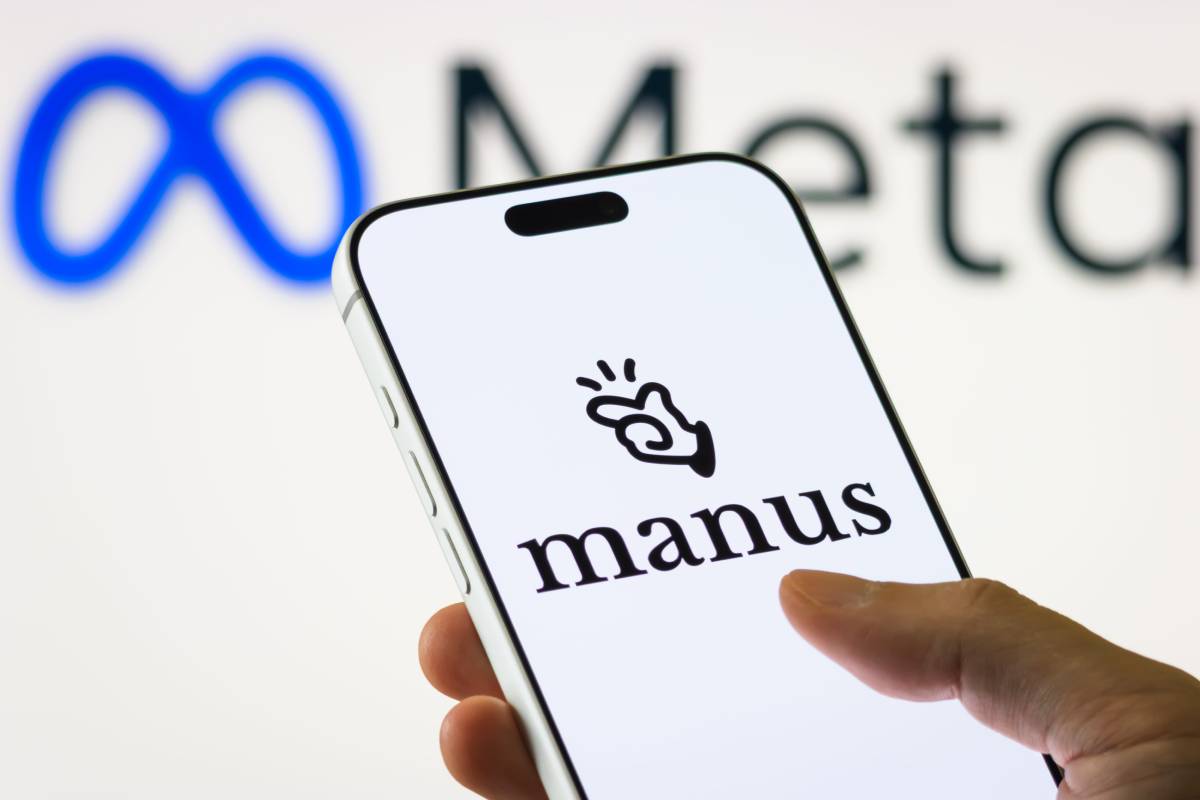
Meta Manus Expands AI Agent Desktop Reach

Meta’s Manus desktop app allows users to deploy the AI agent outside cloud-only environments, enhancing speed, personalization, and offline capabilities.

March 18, 2026
|

A major development unfolded today as Meta launched a desktop version of its Manus AI agent, enabling users to access the technology directly on personal devices. The move comes amid the growing popularity of OpenClaw style AI assistants, signaling a strategic push to broaden adoption and embed AI into daily workflows for both consumers and enterprises.

Meta’s Manus desktop app allows users to deploy the AI agent outside cloud-only environments, enhancing speed, personalization, and offline capabilities. The rollout targets Windows and macOS platforms, with plans to extend support to Linux later in 2026.

The launch coincides with a surge in demand for OpenClaw-inspired AI tools, as competitors accelerate their agent offerings. Analysts highlight this move as a tactical response to retain users within Meta’s AI ecosystem while addressing growing privacy and latency concerns. Key stakeholders include developers, enterprise clients, and individual users seeking AI-assisted productivity. Regulatory implications for data handling remain under review.

The development aligns with a broader trend across global markets where AI agents are shifting from cloud-centric platforms to hybrid and local deployments. This evolution is driven by user demand for faster, more personalized experiences and tighter data privacy controls. Desktop AI agents allow organizations and individuals to run advanced models locally, reducing reliance on remote servers while maintaining real-time interactivity.

Historically, AI agent adoption has been dominated by cloud-only solutions, but concerns over latency, cost, and sensitive data management have accelerated interest in on-device deployments. The OpenClaw phenomenon, which popularized AI agents capable of multitasking across apps, has reshaped user expectations and competitive benchmarks. Meta’s desktop rollout reflects both technological innovation and a strategic play to capture mindshare in a crowded AI agent market.

Industry analysts view Meta’s desktop launch as a significant signal that AI agents are moving into mainstream user environments. “The ability to run Manus locally addresses latency and privacy concerns while expanding practical applications,” noted one AI market strategist.

Meta emphasizes the desktop agent’s adaptive learning capabilities, claiming it can integrate with productivity tools, messaging apps, and creative workflows. Company spokespeople highlight the initiative as part of a broader push to embed AI into daily digital interactions.

Experts also note potential regulatory considerations, particularly around local data storage and cross-border compliance. Reactions from competitors suggest intensified competition in the AI agent space, with implications for pricing, partnerships, and enterprise adoption. Analysts suggest the move could accelerate a wider shift toward hybrid AI deployment strategies globally.

For global executives, the shift could redefine operational strategies across tech adoption, productivity, and enterprise AI deployment. Businesses may explore local AI agents to enhance security, responsiveness, and workflow efficiency.

Investors could view this as a strategic differentiator for Meta, potentially increasing adoption rates and reducing churn amid competitive pressure from OpenClaw-inspired alternatives. Meanwhile, regulators and policymakers may scrutinize data handling, privacy safeguards, and compliance with AI governance frameworks. Analysts caution that companies deploying local AI agents will need to navigate evolving legal and ethical standards while capitalizing on performance and cost efficiencies.

Looking ahead, adoption metrics and enterprise feedback will determine the desktop agent’s success. Decision-makers should watch for regulatory updates, integration with third-party tools, and competitive responses from other AI agent providers. Market observers anticipate that hybrid and local AI deployments will become standard, emphasizing performance, privacy, and flexibility. Meta’s move positions it at the forefront of this transition, but widespread adoption hinges on usability, security, and ecosystem integration.

Source: CNBC
Date: March 18, 2026

  • Featured tools
Hostinger Horizons
Freemium

Hostinger Horizons is an AI-powered platform that allows users to build and deploy custom web applications without writing code. It packs hosting, domain management and backend integration into a unified tool for rapid app creation.

#
Startup Tools
#
Coding
#
Project Management
Learn more
Upscayl AI
Free

Upscayl AI is a free, open-source AI-powered tool that enhances and upscales images to higher resolutions. It transforms blurry or low-quality visuals into sharp, detailed versions with ease.

#
Productivity
Learn more

Learn more about future of AI

Join 80,000+ Ai enthusiast getting weekly updates on exciting AI tools.
Thank you! Your submission has been received!
Oops! Something went wrong while submitting the form.

Meta Manus Expands AI Agent Desktop Reach

March 18, 2026

Meta’s Manus desktop app allows users to deploy the AI agent outside cloud-only environments, enhancing speed, personalization, and offline capabilities.

A major development unfolded today as Meta launched a desktop version of its Manus AI agent, enabling users to access the technology directly on personal devices. The move comes amid the growing popularity of OpenClaw style AI assistants, signaling a strategic push to broaden adoption and embed AI into daily workflows for both consumers and enterprises.

Meta’s Manus desktop app allows users to deploy the AI agent outside cloud-only environments, enhancing speed, personalization, and offline capabilities. The rollout targets Windows and macOS platforms, with plans to extend support to Linux later in 2026.

The launch coincides with a surge in demand for OpenClaw-inspired AI tools, as competitors accelerate their agent offerings. Analysts highlight this move as a tactical response to retain users within Meta’s AI ecosystem while addressing growing privacy and latency concerns. Key stakeholders include developers, enterprise clients, and individual users seeking AI-assisted productivity. Regulatory implications for data handling remain under review.

The development aligns with a broader trend across global markets where AI agents are shifting from cloud-centric platforms to hybrid and local deployments. This evolution is driven by user demand for faster, more personalized experiences and tighter data privacy controls. Desktop AI agents allow organizations and individuals to run advanced models locally, reducing reliance on remote servers while maintaining real-time interactivity.

Historically, AI agent adoption has been dominated by cloud-only solutions, but concerns over latency, cost, and sensitive data management have accelerated interest in on-device deployments. The OpenClaw phenomenon, which popularized AI agents capable of multitasking across apps, has reshaped user expectations and competitive benchmarks. Meta’s desktop rollout reflects both technological innovation and a strategic play to capture mindshare in a crowded AI agent market.

Industry analysts view Meta’s desktop launch as a significant signal that AI agents are moving into mainstream user environments. “The ability to run Manus locally addresses latency and privacy concerns while expanding practical applications,” noted one AI market strategist.

Meta emphasizes the desktop agent’s adaptive learning capabilities, claiming it can integrate with productivity tools, messaging apps, and creative workflows. Company spokespeople highlight the initiative as part of a broader push to embed AI into daily digital interactions.

Experts also note potential regulatory considerations, particularly around local data storage and cross-border compliance. Reactions from competitors suggest intensified competition in the AI agent space, with implications for pricing, partnerships, and enterprise adoption. Analysts suggest the move could accelerate a wider shift toward hybrid AI deployment strategies globally.

For global executives, the shift could redefine operational strategies across tech adoption, productivity, and enterprise AI deployment. Businesses may explore local AI agents to enhance security, responsiveness, and workflow efficiency.

Investors could view this as a strategic differentiator for Meta, potentially increasing adoption rates and reducing churn amid competitive pressure from OpenClaw-inspired alternatives. Meanwhile, regulators and policymakers may scrutinize data handling, privacy safeguards, and compliance with AI governance frameworks. Analysts caution that companies deploying local AI agents will need to navigate evolving legal and ethical standards while capitalizing on performance and cost efficiencies.

Looking ahead, adoption metrics and enterprise feedback will determine the desktop agent’s success. Decision-makers should watch for regulatory updates, integration with third-party tools, and competitive responses from other AI agent providers. Market observers anticipate that hybrid and local AI deployments will become standard, emphasizing performance, privacy, and flexibility. Meta’s move positions it at the forefront of this transition, but widespread adoption hinges on usability, security, and ecosystem integration.

Source: CNBC
Date: March 18, 2026

Promote Your Tool

Copy Embed Code

Similar Blogs

March 18, 2026
|

Micron Set for Earnings Surge from AI Demand

Micron is set to report its Q1 2026 earnings next week, with analysts forecasting substantial year-over-year growth due to heightened demand for DRAM and NAND memory in AI applications.
Read more
March 18, 2026
|

Meta Manus Expands AI Agent Desktop Reach

Meta’s Manus desktop app allows users to deploy the AI agent outside cloud-only environments, enhancing speed, personalization, and offline capabilities.
Read more
March 18, 2026
|

AI Advertising Crackdown Bans “Remove Anything” Claims

The ruling by the Advertising Standards Authority determined that the ad’s claims were misleading and could exaggerate the app’s capabilities.
Read more
March 18, 2026
|

Court Ruling Boosts Perplexity AI Competition

A court decision has halted efforts by Amazon to ban or limit AI agents developed by Perplexity AI on its platform. The ruling allows continued deployment and operation of these AI tools, at least temporarily.
Read more
March 18, 2026
|

Compute Divide Intensifies US China AI Rivalry

The growing disparity in computing power driven by access to advanced semiconductors and large-scale data centers is becoming central to AI competitiveness.
Read more
March 18, 2026
|

Samsung Signals AI Driven Chip Boom Into 2026

An executive at Samsung Electronics indicated that demand for AI-related semiconductors is expected to remain robust through 2026, driven by expanding use cases in data.
Read more