
Google Samsung Push AI Smart Glasses

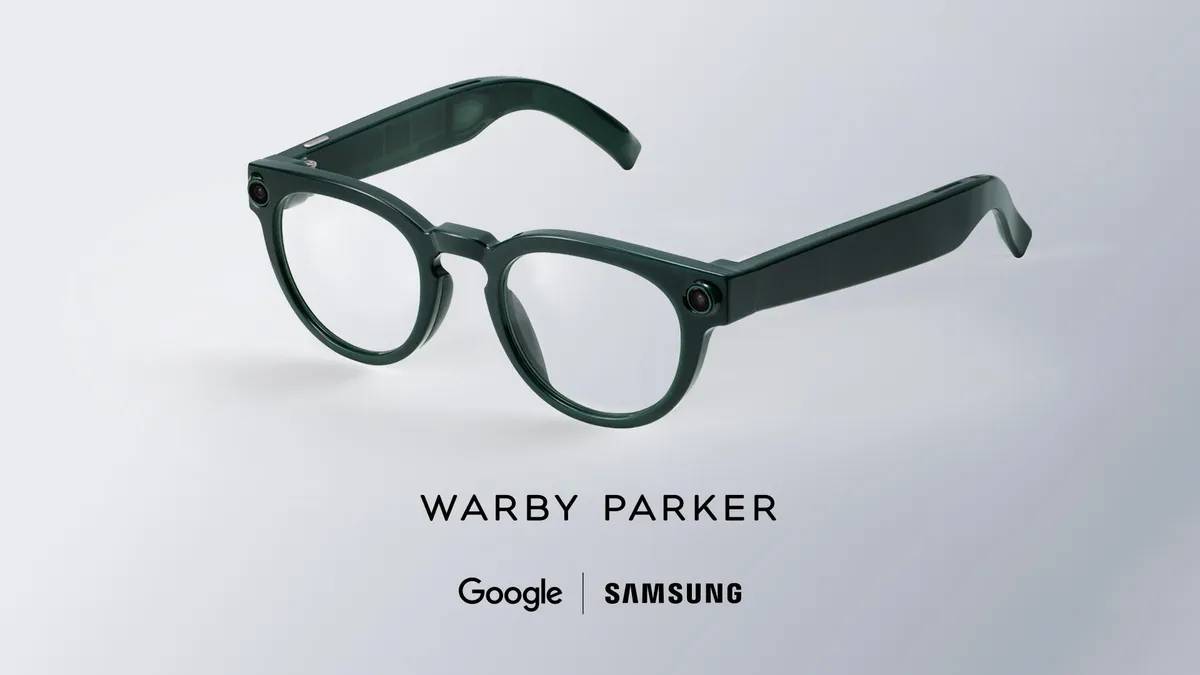
Google and Samsung have confirmed plans to introduce AI-enabled smart glasses this fall, developed in collaboration with Warby Parker and Gentle Monster.

May 20, 2026
|
Image Source: CNET

Google and Samsung are preparing to launch a new generation of AI-powered smart glasses in partnership with eyewear brands Warby Parker and Gentle Monster. The initiative signals an accelerated push into wearable computing, blending fashion, augmented intelligence, and real-time digital assistance in a bid to expand the next frontier of consumer technology.

Google and Samsung have confirmed plans to introduce AI-enabled smart glasses this fall, developed in collaboration with Warby Parker and Gentle Monster. The devices aim to integrate AI assistance, contextual overlays, and hands-free interaction within everyday eyewear.

The product line is expected to combine fashion-oriented design with advanced computing capabilities, positioning smart glasses as a mainstream consumer category rather than a niche tech accessory. The launch timeline aligns with broader efforts by both companies to expand their wearable ecosystems.

The initiative reflects growing investment in ambient computing, where AI-driven interfaces operate continuously in the background of daily life. The smart glasses segment has experienced multiple cycles of experimentation, with early attempts often constrained by design limitations, battery life, and consumer adoption barriers. However, recent advances in AI models, miniaturized sensors, and low-power computing have renewed industry interest in wearable augmented reality systems.

Google and Samsung have been investing heavily in expanding their wearable ecosystems, competing with other major technology firms exploring augmented reality and AI-assisted devices. The partnership with established eyewear brands like Warby Parker and Gentle Monster signals a strategic shift toward lifestyle integration, positioning smart glasses as fashion-forward consumer electronics rather than purely experimental tech. This approach reflects a broader industry trend toward embedding AI into everyday physical objects, creating seamless human–machine interaction layers.

Industry analysts view the collaboration as a critical step in normalizing AI-powered wearable devices. Experts suggest that success in this category will depend not only on technical performance but also on consumer comfort, aesthetics, and social acceptance.

Google and Samsung have emphasized that the upcoming glasses will focus on practical AI assistance, including contextual information delivery, navigation support, and real-time interaction capabilities. The companies frame the product as part of a broader shift toward ambient computing environments.

Market observers note that previous smart glasses efforts struggled due to limited use cases and privacy concerns. However, analysts argue that the integration of advanced AI models could significantly expand functionality, making wearable AI more relevant in daily life. The fashion collaboration is also seen as a deliberate effort to reduce stigma associated with early wearable tech.

For businesses, AI-enabled smart glasses could open new channels for real-time customer engagement, field productivity tools, and immersive retail experiences. Enterprises in logistics, healthcare, and field services may explore early adoption opportunities.

For investors, the launch strengthens the long-term outlook for the wearable AI market, which is increasingly converging with augmented reality and consumer electronics ecosystems. The involvement of major tech players signals sustained capital and R&D momentum.

For policymakers, the expansion of always-on wearable devices raises important questions around privacy, biometric data handling, and public space recording norms, requiring clearer regulatory frameworks as adoption scales.

Attention now turns to pricing, availability, and real-world performance once the smart glasses launch this fall. Industry watchers will assess whether consumer demand can move beyond early adopters and whether AI functionality meaningfully enhances daily usability. The success of this category will likely determine whether smart glasses evolve into a mainstream computing platform or remain a specialized niche within wearable technology.

Source: CNET
Date: 2026-05-20

  • Featured tools
Murf Ai
Free

Murf AI Review – Advanced AI Voice Generator for Realistic Voiceovers

#
Text to Speech
Learn more
Ai Fiesta
Paid

AI Fiesta is an all-in-one productivity platform that gives users access to multiple leading AI models through a single interface. It includes features like prompt enhancement, image generation, audio transcription and side-by-side model comparison.

#
Copywriting
#
Art Generator
Learn more

Learn more about future of AI

Join 80,000+ Ai enthusiast getting weekly updates on exciting AI tools.
Thank you! Your submission has been received!
Oops! Something went wrong while submitting the form.

Google Samsung Push AI Smart Glasses

May 20, 2026

Google and Samsung have confirmed plans to introduce AI-enabled smart glasses this fall, developed in collaboration with Warby Parker and Gentle Monster.

Image Source: CNET

Google and Samsung are preparing to launch a new generation of AI-powered smart glasses in partnership with eyewear brands Warby Parker and Gentle Monster. The initiative signals an accelerated push into wearable computing, blending fashion, augmented intelligence, and real-time digital assistance in a bid to expand the next frontier of consumer technology.

Google and Samsung have confirmed plans to introduce AI-enabled smart glasses this fall, developed in collaboration with Warby Parker and Gentle Monster. The devices aim to integrate AI assistance, contextual overlays, and hands-free interaction within everyday eyewear.

The product line is expected to combine fashion-oriented design with advanced computing capabilities, positioning smart glasses as a mainstream consumer category rather than a niche tech accessory. The launch timeline aligns with broader efforts by both companies to expand their wearable ecosystems.

The initiative reflects growing investment in ambient computing, where AI-driven interfaces operate continuously in the background of daily life. The smart glasses segment has experienced multiple cycles of experimentation, with early attempts often constrained by design limitations, battery life, and consumer adoption barriers. However, recent advances in AI models, miniaturized sensors, and low-power computing have renewed industry interest in wearable augmented reality systems.

Google and Samsung have been investing heavily in expanding their wearable ecosystems, competing with other major technology firms exploring augmented reality and AI-assisted devices. The partnership with established eyewear brands like Warby Parker and Gentle Monster signals a strategic shift toward lifestyle integration, positioning smart glasses as fashion-forward consumer electronics rather than purely experimental tech. This approach reflects a broader industry trend toward embedding AI into everyday physical objects, creating seamless human–machine interaction layers.

Industry analysts view the collaboration as a critical step in normalizing AI-powered wearable devices. Experts suggest that success in this category will depend not only on technical performance but also on consumer comfort, aesthetics, and social acceptance.

Google and Samsung have emphasized that the upcoming glasses will focus on practical AI assistance, including contextual information delivery, navigation support, and real-time interaction capabilities. The companies frame the product as part of a broader shift toward ambient computing environments.

Market observers note that previous smart glasses efforts struggled due to limited use cases and privacy concerns. However, analysts argue that the integration of advanced AI models could significantly expand functionality, making wearable AI more relevant in daily life. The fashion collaboration is also seen as a deliberate effort to reduce stigma associated with early wearable tech.

For businesses, AI-enabled smart glasses could open new channels for real-time customer engagement, field productivity tools, and immersive retail experiences. Enterprises in logistics, healthcare, and field services may explore early adoption opportunities.

For investors, the launch strengthens the long-term outlook for the wearable AI market, which is increasingly converging with augmented reality and consumer electronics ecosystems. The involvement of major tech players signals sustained capital and R&D momentum.

For policymakers, the expansion of always-on wearable devices raises important questions around privacy, biometric data handling, and public space recording norms, requiring clearer regulatory frameworks as adoption scales.

Attention now turns to pricing, availability, and real-world performance once the smart glasses launch this fall. Industry watchers will assess whether consumer demand can move beyond early adopters and whether AI functionality meaningfully enhances daily usability. The success of this category will likely determine whether smart glasses evolve into a mainstream computing platform or remain a specialized niche within wearable technology.

Source: CNET
Date: 2026-05-20

Promote Your Tool

Copy Embed Code

Similar Blogs

May 20, 2026
|

Google Gemini Expansion Faces Quality Scrutiny

The latest commentary surrounding Gemini focuses on concerns that broader model expansion particularly multi-capability “Omni” systems could contribute to a surge in low-quality or redundant AI-generated content.
Read more
May 20, 2026
|

US Strengthens Digital Safety Content Laws

The Take It Down Act establishes a structured process for individuals to request removal of nonconsensual intimate imagery from online platforms.
Read more
May 20, 2026
|

Google Samsung Push AI Smart Glasses

Google and Samsung have confirmed plans to introduce AI-enabled smart glasses this fall, developed in collaboration with Warby Parker and Gentle Monster.
Read more
May 20, 2026
|

Google Expands AI Studio to Android Apps

Google announced the launch of an Android version of its AI Studio platform, enabling developers to build, test, and deploy AI applications directly from mobile devices.
Read more
May 20, 2026
|

Plex Raises Lifetime Pass Price Sharply

Plex has raised the cost of its lifetime Plex Pass subscription to $750, marking a substantial escalation after a previous price increase.
Read more
May 20, 2026
|

Google Turns Wear OS 7 Into Information Hub

Wear OS 7 introduces enhanced widgets and live data integration, allowing users to track package deliveries, sports scores, and other time-sensitive updates directly from their smartwatches.
Read more