
Google Expands AI Studio to Android Apps

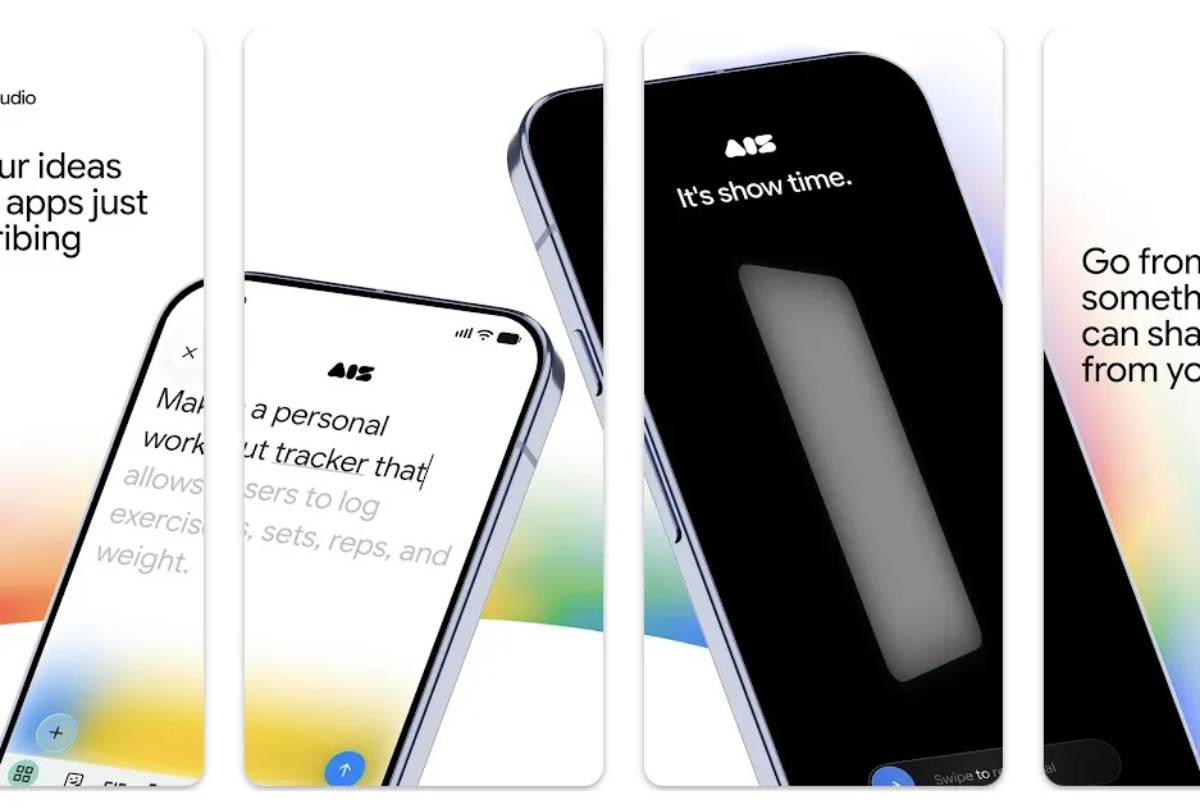
Google announced the launch of an Android version of its AI Studio platform, enabling developers to build, test, and deploy AI applications directly from mobile devices.

May 20, 2026
|
Image Source: The Verge

Google has unveiled a mobile expansion of its AI Studio platform, introducing an Android app designed to streamline AI development and deployment workflows. The move reflects Google’s broader strategy to democratize AI tool access while strengthening its position in the competitive developer ecosystem and accelerating mobile-first AI innovation globally.

Google announced the launch of an Android version of its AI Studio platform, enabling developers to build, test, and deploy AI applications directly from mobile devices. The app extends functionality previously limited to desktop environments, offering greater flexibility and real-time development capabilities.

The platform integrates Google’s latest AI models and developer tools, allowing streamlined access to APIs, model testing environments, and deployment workflows. The initiative is part of a broader set of announcements from Google I/O 2026 focused on expanding AI infrastructure and developer accessibility. The launch underscores Google’s ambition to make AI development more portable, accessible, and integrated into everyday workflows.

The expansion of AI development tools into mobile ecosystems reflects a broader transformation in software engineering workflows. Traditionally, AI development has been confined to high-performance desktop or cloud-based environments, requiring significant technical infrastructure.

Google has been steadily expanding its developer ecosystem to support faster iteration cycles, lower barriers to entry, and broader participation in AI innovation. The introduction of a mobile AI Studio app aligns with industry-wide efforts to decentralize development environments and enable real-time experimentation.

This shift also reflects growing competition among major technology firms to capture developer mindshare in the rapidly expanding AI economy. As AI applications become central to enterprise and consumer products, platforms that simplify development and deployment are gaining strategic importance in shaping future software ecosystems.

Industry analysts view the move as a significant step toward democratizing AI development tools, particularly for independent developers and smaller teams that may lack access to high-end computing environments. Experts suggest that mobile-first development could accelerate experimentation and reduce time-to-market for AI applications.

Google emphasized that AI Studio is designed to simplify the end-to-end development lifecycle, from model selection to deployment, across both mobile and cloud environments. The company positioned the Android launch as part of its broader vision for an integrated, AI-first developer ecosystem.

Technology observers note that competition in AI development platforms is intensifying, with firms seeking to lock developers into end-to-end ecosystems. Analysts also highlight that mobile AI development tools could reshape how applications are prototyped, tested, and scaled across global markets.

For businesses, the expansion of AI Studio to mobile devices could accelerate AI application development cycles and enable more agile innovation strategies. Enterprises may benefit from faster prototyping, reduced infrastructure dependency, and broader developer participation.

For investors, the move reinforces the strategic importance of developer ecosystems in the AI value chain, particularly as platforms compete to become primary gateways for AI application creation and deployment.

For policymakers, the growing accessibility of AI development tools raises considerations around responsible AI usage, security governance, and regulatory oversight as powerful model-building capabilities become more widely distributed across global developer communities.

Attention now shifts to developer adoption rates and how effectively mobile AI development tools integrate into professional workflows. Industry observers will monitor whether AI Studio’s Android expansion meaningfully lowers barriers to entry or primarily complements existing desktop-based environments. As AI development becomes increasingly decentralized, competition among platform providers will likely intensify around usability, ecosystem lock-in, and end-to-end developer experience.

Source: The Verge
Date: 2026-05-20

  • Featured tools
Wonder AI
Free

Wonder AI is a versatile AI-powered creative platform that generates text, images, and audio with minimal input, designed for fast storytelling, visual creation, and audio content generation

#
Art Generator
Learn more
Twistly AI
Paid

Twistly AI is a PowerPoint add-in that allows users to generate full slide decks, improve existing presentations, and convert various content types into polished slides directly within Microsoft PowerPoint.It streamlines presentation creation using AI-powered text analysis, image generation and content conversion.

#
Presentation
Learn more

Learn more about future of AI

Join 80,000+ Ai enthusiast getting weekly updates on exciting AI tools.
Thank you! Your submission has been received!
Oops! Something went wrong while submitting the form.

Google Expands AI Studio to Android Apps

May 20, 2026

Google announced the launch of an Android version of its AI Studio platform, enabling developers to build, test, and deploy AI applications directly from mobile devices.

Image Source: The Verge

Google has unveiled a mobile expansion of its AI Studio platform, introducing an Android app designed to streamline AI development and deployment workflows. The move reflects Google’s broader strategy to democratize AI tool access while strengthening its position in the competitive developer ecosystem and accelerating mobile-first AI innovation globally.

Google announced the launch of an Android version of its AI Studio platform, enabling developers to build, test, and deploy AI applications directly from mobile devices. The app extends functionality previously limited to desktop environments, offering greater flexibility and real-time development capabilities.

The platform integrates Google’s latest AI models and developer tools, allowing streamlined access to APIs, model testing environments, and deployment workflows. The initiative is part of a broader set of announcements from Google I/O 2026 focused on expanding AI infrastructure and developer accessibility. The launch underscores Google’s ambition to make AI development more portable, accessible, and integrated into everyday workflows.

The expansion of AI development tools into mobile ecosystems reflects a broader transformation in software engineering workflows. Traditionally, AI development has been confined to high-performance desktop or cloud-based environments, requiring significant technical infrastructure.

Google has been steadily expanding its developer ecosystem to support faster iteration cycles, lower barriers to entry, and broader participation in AI innovation. The introduction of a mobile AI Studio app aligns with industry-wide efforts to decentralize development environments and enable real-time experimentation.

This shift also reflects growing competition among major technology firms to capture developer mindshare in the rapidly expanding AI economy. As AI applications become central to enterprise and consumer products, platforms that simplify development and deployment are gaining strategic importance in shaping future software ecosystems.

Industry analysts view the move as a significant step toward democratizing AI development tools, particularly for independent developers and smaller teams that may lack access to high-end computing environments. Experts suggest that mobile-first development could accelerate experimentation and reduce time-to-market for AI applications.

Google emphasized that AI Studio is designed to simplify the end-to-end development lifecycle, from model selection to deployment, across both mobile and cloud environments. The company positioned the Android launch as part of its broader vision for an integrated, AI-first developer ecosystem.

Technology observers note that competition in AI development platforms is intensifying, with firms seeking to lock developers into end-to-end ecosystems. Analysts also highlight that mobile AI development tools could reshape how applications are prototyped, tested, and scaled across global markets.

For businesses, the expansion of AI Studio to mobile devices could accelerate AI application development cycles and enable more agile innovation strategies. Enterprises may benefit from faster prototyping, reduced infrastructure dependency, and broader developer participation.

For investors, the move reinforces the strategic importance of developer ecosystems in the AI value chain, particularly as platforms compete to become primary gateways for AI application creation and deployment.

For policymakers, the growing accessibility of AI development tools raises considerations around responsible AI usage, security governance, and regulatory oversight as powerful model-building capabilities become more widely distributed across global developer communities.

Attention now shifts to developer adoption rates and how effectively mobile AI development tools integrate into professional workflows. Industry observers will monitor whether AI Studio’s Android expansion meaningfully lowers barriers to entry or primarily complements existing desktop-based environments. As AI development becomes increasingly decentralized, competition among platform providers will likely intensify around usability, ecosystem lock-in, and end-to-end developer experience.

Source: The Verge
Date: 2026-05-20

Promote Your Tool

Copy Embed Code

Similar Blogs

May 20, 2026
|

Google Gemini Expansion Faces Quality Scrutiny

The latest commentary surrounding Gemini focuses on concerns that broader model expansion particularly multi-capability “Omni” systems could contribute to a surge in low-quality or redundant AI-generated content.
Read more
May 20, 2026
|

US Strengthens Digital Safety Content Laws

The Take It Down Act establishes a structured process for individuals to request removal of nonconsensual intimate imagery from online platforms.
Read more
May 20, 2026
|

Google Samsung Push AI Smart Glasses

Google and Samsung have confirmed plans to introduce AI-enabled smart glasses this fall, developed in collaboration with Warby Parker and Gentle Monster.
Read more
May 20, 2026
|

Google Expands AI Studio to Android Apps

Google announced the launch of an Android version of its AI Studio platform, enabling developers to build, test, and deploy AI applications directly from mobile devices.
Read more
May 20, 2026
|

Plex Raises Lifetime Pass Price Sharply

Plex has raised the cost of its lifetime Plex Pass subscription to $750, marking a substantial escalation after a previous price increase.
Read more
May 20, 2026
|

Google Turns Wear OS 7 Into Information Hub

Wear OS 7 introduces enhanced widgets and live data integration, allowing users to track package deliveries, sports scores, and other time-sensitive updates directly from their smartwatches.
Read more