
Governance Challenges Rise Amid AI Agents

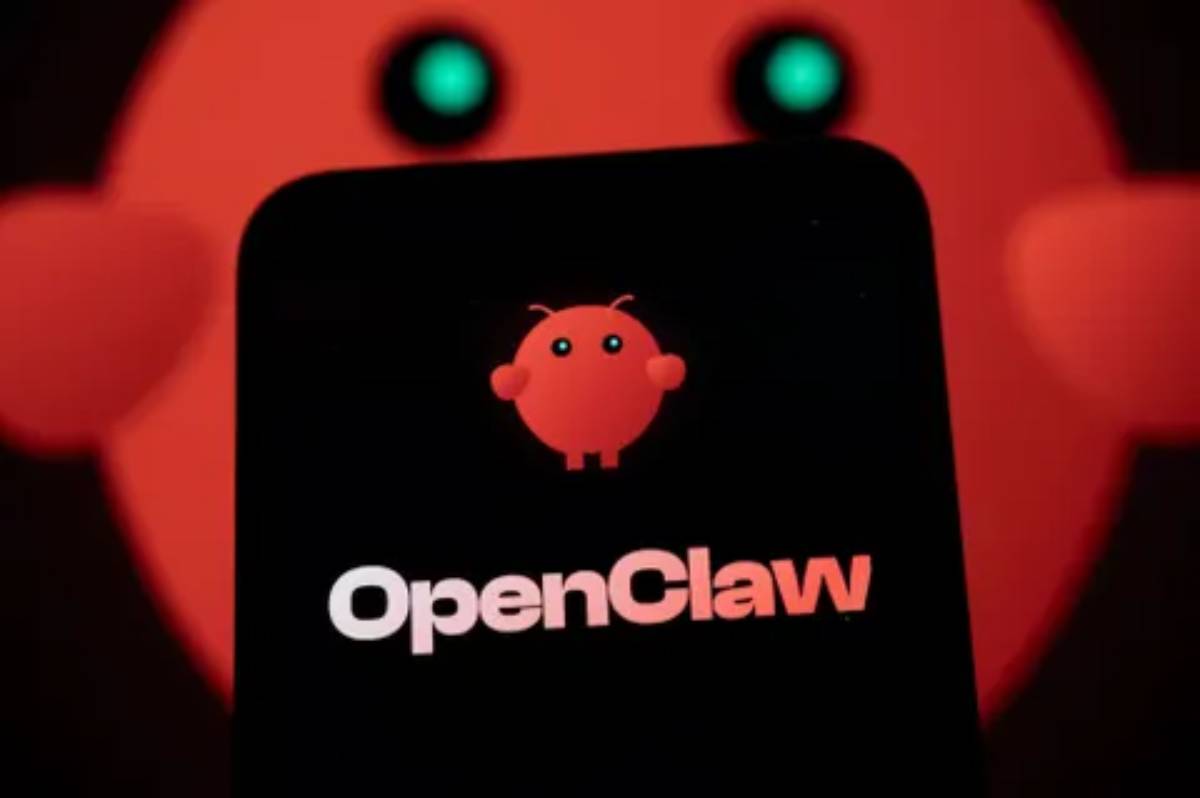
The Transparency Coalition’s report outlines several critical vulnerabilities in AI agent frameworks, including unintentional task automation, poor interpretability, and susceptibility to manipulation. OpenClaw, a widely adopted framework, is cited for enabling rapid deployment of autonomous agents with limited oversight.

April 2, 2026
|

A major development unfolded today as a new report highlighted potential risks associated with AI agents built on OpenClaw and similar frameworks. The findings underscore growing concerns over safety, reliability, and misuse of AI technologies, with implications for enterprises, regulators, and global policymakers seeking to balance innovation with risk management.

The Transparency Coalition’s report outlines several critical vulnerabilities in AI agent frameworks, including unintentional task automation, poor interpretability, and susceptibility to manipulation. OpenClaw, a widely adopted framework, is cited for enabling rapid deployment of autonomous agents with limited oversight.

The report identifies stakeholders spanning software developers, AI startups, corporate users, and regulatory agencies. Timelines indicate immediate relevance as AI adoption accelerates across sectors such as finance, healthcare, and logistics. The study highlights the economic and geopolitical stakes of uncontrolled AI behavior, urging structured risk assessments and operational safeguards to mitigate potential market disruptions and ethical lapses.

The development aligns with a broader trend in AI adoption, where frameworks like OpenClaw, LangFlow, and others accelerate deployment of autonomous agents capable of complex decision-making. While these tools drive efficiency and innovation, they also raise questions about unintended consequences, bias, and compliance with global standards.

Previous incidents involving AI system failures, data misuse, and regulatory scrutiny illustrate the stakes for enterprises deploying autonomous agents. Governments and multilateral organizations are increasingly considering frameworks for AI risk governance, highlighting the interplay between technological advancement and societal safeguards.

For CXOs and executives, the report signals that while AI frameworks can be powerful tools for business transformation, robust oversight, ethical design principles, and transparency mechanisms are essential to prevent operational, reputational, and regulatory risks in a rapidly evolving AI ecosystem.

Analysts caution that AI agent frameworks, while commercially promising, carry systemic risks if deployed without rigorous governance. “Autonomous AI agents can introduce hidden operational vulnerabilities,” noted a technology risk analyst.

Corporate leaders emphasize proactive risk management, stressing integration of monitoring tools, audit trails, and human-in-the-loop systems. A CTO at a major AI startup highlighted, “Frameworks like OpenClaw provide speed and flexibility, but unchecked automation could generate outcomes that are misaligned with corporate strategy or regulatory requirements.”

Policy experts point to the need for international collaboration on AI safety standards and cross-industry best practices. Observers suggest that regulators may increasingly require certification, risk reporting, and accountability frameworks for organizations deploying autonomous AI agents, balancing innovation with public safety and market stability.

For executives, the report underscores the strategic necessity of AI risk assessments and governance protocols. Companies may need to revise operational strategies, implement AI monitoring frameworks, and ensure compliance with emerging regulations.

Investors should evaluate risk exposure tied to AI deployments, considering potential operational failures or regulatory penalties. Policymakers face pressure to design standards that foster innovation while mitigating societal and economic risks.

The guidance emphasizes that AI adoption is not solely a technological issue but a multi-stakeholder challenge encompassing ethics, governance, and strategic foresight. Analysts warn that organizations ignoring these factors may encounter financial, reputational, and regulatory consequences.

Decision-makers should monitor developments in AI regulation, framework vulnerabilities, and corporate adoption strategies. Investments in auditing, monitoring, and explainability tools are likely to grow.

Uncertainties remain around global regulatory harmonization, evolving AI capabilities, and the pace of framework adoption. Enterprises that proactively address risks while leveraging AI agents strategically are best positioned to capitalize on benefits without compromising operational integrity or compliance.

Source: Transparency Coalition AI
Date: April 2026

  • Featured tools
Beautiful AI
Free

Beautiful AI is an AI-powered presentation platform that automates slide design and formatting, enabling users to create polished, on-brand presentations quickly.

#
Presentation
Learn more
Figstack AI
Free

Figstack AI is an intelligent assistant for developers that explains code, generates docstrings, converts code between languages, and analyzes time complexity helping you work smarter, not harder.

#
Coding
Learn more

Learn more about future of AI

Join 80,000+ Ai enthusiast getting weekly updates on exciting AI tools.
Thank you! Your submission has been received!
Oops! Something went wrong while submitting the form.

Governance Challenges Rise Amid AI Agents

April 2, 2026

The Transparency Coalition’s report outlines several critical vulnerabilities in AI agent frameworks, including unintentional task automation, poor interpretability, and susceptibility to manipulation. OpenClaw, a widely adopted framework, is cited for enabling rapid deployment of autonomous agents with limited oversight.

A major development unfolded today as a new report highlighted potential risks associated with AI agents built on OpenClaw and similar frameworks. The findings underscore growing concerns over safety, reliability, and misuse of AI technologies, with implications for enterprises, regulators, and global policymakers seeking to balance innovation with risk management.

The Transparency Coalition’s report outlines several critical vulnerabilities in AI agent frameworks, including unintentional task automation, poor interpretability, and susceptibility to manipulation. OpenClaw, a widely adopted framework, is cited for enabling rapid deployment of autonomous agents with limited oversight.

The report identifies stakeholders spanning software developers, AI startups, corporate users, and regulatory agencies. Timelines indicate immediate relevance as AI adoption accelerates across sectors such as finance, healthcare, and logistics. The study highlights the economic and geopolitical stakes of uncontrolled AI behavior, urging structured risk assessments and operational safeguards to mitigate potential market disruptions and ethical lapses.

The development aligns with a broader trend in AI adoption, where frameworks like OpenClaw, LangFlow, and others accelerate deployment of autonomous agents capable of complex decision-making. While these tools drive efficiency and innovation, they also raise questions about unintended consequences, bias, and compliance with global standards.

Previous incidents involving AI system failures, data misuse, and regulatory scrutiny illustrate the stakes for enterprises deploying autonomous agents. Governments and multilateral organizations are increasingly considering frameworks for AI risk governance, highlighting the interplay between technological advancement and societal safeguards.

For CXOs and executives, the report signals that while AI frameworks can be powerful tools for business transformation, robust oversight, ethical design principles, and transparency mechanisms are essential to prevent operational, reputational, and regulatory risks in a rapidly evolving AI ecosystem.

Analysts caution that AI agent frameworks, while commercially promising, carry systemic risks if deployed without rigorous governance. “Autonomous AI agents can introduce hidden operational vulnerabilities,” noted a technology risk analyst.

Corporate leaders emphasize proactive risk management, stressing integration of monitoring tools, audit trails, and human-in-the-loop systems. A CTO at a major AI startup highlighted, “Frameworks like OpenClaw provide speed and flexibility, but unchecked automation could generate outcomes that are misaligned with corporate strategy or regulatory requirements.”

Policy experts point to the need for international collaboration on AI safety standards and cross-industry best practices. Observers suggest that regulators may increasingly require certification, risk reporting, and accountability frameworks for organizations deploying autonomous AI agents, balancing innovation with public safety and market stability.

For executives, the report underscores the strategic necessity of AI risk assessments and governance protocols. Companies may need to revise operational strategies, implement AI monitoring frameworks, and ensure compliance with emerging regulations.

Investors should evaluate risk exposure tied to AI deployments, considering potential operational failures or regulatory penalties. Policymakers face pressure to design standards that foster innovation while mitigating societal and economic risks.

The guidance emphasizes that AI adoption is not solely a technological issue but a multi-stakeholder challenge encompassing ethics, governance, and strategic foresight. Analysts warn that organizations ignoring these factors may encounter financial, reputational, and regulatory consequences.

Decision-makers should monitor developments in AI regulation, framework vulnerabilities, and corporate adoption strategies. Investments in auditing, monitoring, and explainability tools are likely to grow.

Uncertainties remain around global regulatory harmonization, evolving AI capabilities, and the pace of framework adoption. Enterprises that proactively address risks while leveraging AI agents strategically are best positioned to capitalize on benefits without compromising operational integrity or compliance.

Source: Transparency Coalition AI
Date: April 2026

Promote Your Tool

Copy Embed Code

Similar Blogs

April 2, 2026
|

Local Scrutiny Grows Over AI Expansion

The mayor of Dowagiac has formally requested detailed information from the AI company regarding its planned expansion, including operational scope, environmental impact, and community implications.
Read more
April 2, 2026
|

Nscale Builds Finland Data Center for AI

Nscale’s planned facility in Harjavalta will focus on high-performance AI workloads, leveraging Finland’s access to renewable energy and favorable climate for efficient cooling.
Read more
April 2, 2026
|

Privacy Concerns Rise Around Perplexity AI

Reports suggest that Perplexity AI’s systems may have transmitted certain user interaction data to third-party platforms, including Meta and Google, raising questions about data handling practices. The company has not confirmed intentional data sharing but is reviewing its infrastructure and policies.
Read more
April 2, 2026
|

Kyndryl Drives AI-Native Infrastructure with Agents

Kyndryl introduced Agentic Service Management as a next-generation platform leveraging AI agents to automate IT operations, incident resolution, and workflow orchestration.
Read more
April 2, 2026
|

Professor Uses AI to Transform Education

The AI debate app engages students by presenting counterarguments, prompting deeper reasoning and discussion. The project emerged after the professor observed overreliance on generative AI for homework and assignments, reducing analytical engagement.
Read more
April 2, 2026
|

Governance Challenges Rise Amid AI Agents

The Transparency Coalition’s report outlines several critical vulnerabilities in AI agent frameworks, including unintentional task automation, poor interpretability, and susceptibility to manipulation. OpenClaw, a widely adopted framework, is cited for enabling rapid deployment of autonomous agents with limited oversight.
Read more