
Google Ties Pixel Customization to AI, Reinforcing Platform Control Strategy

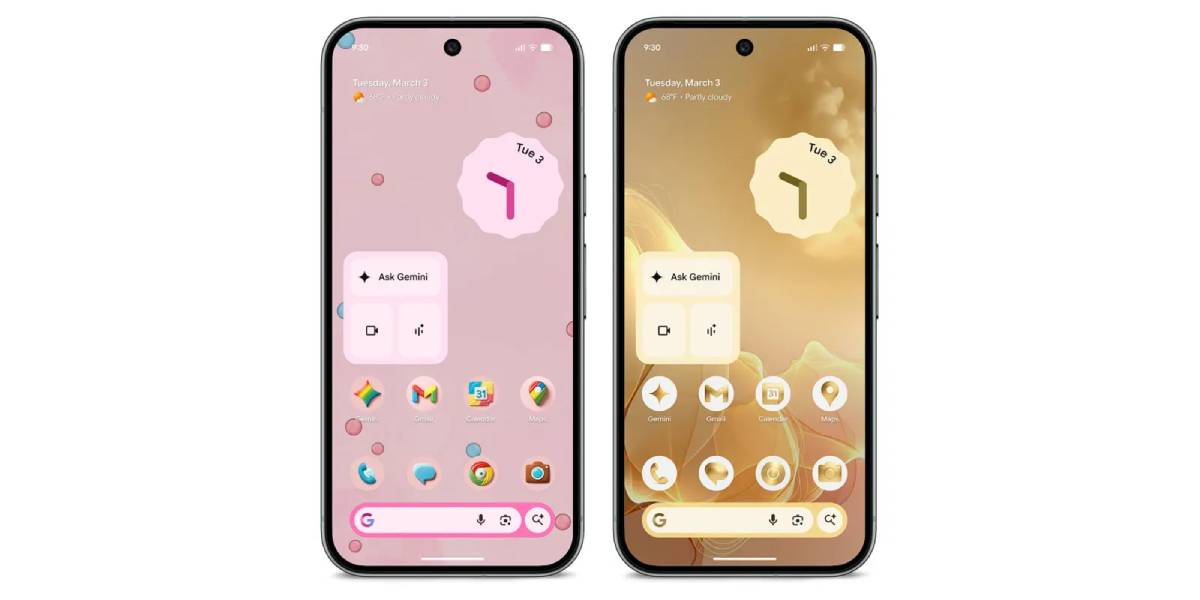
Google is rolling out AI-generated custom app icons for Pixel users, but the functionality is tied exclusively to its proprietary AI tools rather than open customization frameworks.

March 30, 2026
|

A subtle but strategic shift is emerging in the smartphone ecosystem as Google introduces custom home screen icons on its Pixel devices while restricting the feature to AI-powered generation. The move signals a deeper push to embed artificial intelligence into core user experiences, with implications for platform control, developer ecosystems, and competitive differentiation.

Google is rolling out AI-generated custom app icons for Pixel users, but the functionality is tied exclusively to its proprietary AI tools rather than open customization frameworks. The feature leverages Google’s generative AI capabilities to create personalized visual themes and icons, integrating design changes directly into the Android experience on Pixel hardware. However, users cannot freely upload or design fully independent icon packs outside the AI system.

The update reflects Google’s broader strategy of positioning Pixel as a flagship AI-first device. It also reinforces tighter ecosystem integration, differentiating Pixel software features from other Android manufacturers while deepening reliance on Google’s AI stack.

The development aligns with a broader industry trend in which smartphone makers are embedding generative AI into operating systems rather than offering it as a standalone feature. From AI wallpapers to smart assistants, device-level AI has become a competitive battleground.

For Google, Pixel functions as both a hardware business and a reference platform for Android innovation. By locking customization features to AI tools, Google strengthens its ability to showcase end-to-end AI integration hardware, software, and cloud intelligence working in tandem.

The strategy also comes amid intensifying competition from Apple and Chinese smartphone manufacturers integrating proprietary AI features. Control over user interface layers has long been central to platform power, influencing developer incentives and monetization opportunities. In this context, even aesthetic updates like custom icons carry strategic weight in shaping ecosystem loyalty and AI adoption habits.

While Google has framed the update as a creative enhancement for users, industry analysts see it as part of a deliberate platform strategy. By channeling customization through AI, Google reinforces its generative AI capabilities as a daily-use utility rather than a novelty.

Technology market observers note that restricting customization to proprietary AI systems could limit third-party launcher developers and independent design ecosystems. However, it also strengthens brand coherence and ensures tighter quality control.

Analysts suggest that AI-driven personalization may increase device stickiness, encouraging consumers to remain within Google’s ecosystem of services, including search, cloud storage, and productivity tools.

From a governance standpoint, experts highlight that embedding AI deeper into operating systems raises broader questions about data usage transparency, model training practices, and user consent frameworks.

For businesses and app developers, the shift underscores Google’s growing influence over interface-level innovation within Android. Developers may need to align design strategies with AI-driven personalization standards set by Pixel devices.

Investors could interpret the move as part of Google’s broader effort to differentiate hardware in a saturated smartphone market, using AI as a margin-protection tool.

From a policy lens, tighter ecosystem control may attract regulatory scrutiny in jurisdictions examining platform dominance and digital competition. As AI becomes embedded in user interfaces, oversight could expand beyond search and advertising into device-level software governance.

For C-suite leaders, the message is clear: AI integration is becoming a structural component of platform strategy. The next phase will reveal whether Google extends AI-locked customization features across the wider Android ecosystem or keeps them exclusive to Pixel devices.

Executives should monitor user adoption metrics, developer responses, and potential regulatory reactions in key markets. As AI moves from backend processing to front-end experience design, control over personalization tools may define the next frontier of smartphone competition.

Source: 9to5Google
Date: March 3, 2026

  • Featured tools
Outplay AI
Free

Outplay AI is a dynamic sales engagement platform combining AI-powered outreach, multi-channel automation, and performance tracking to help teams optimize conversion and pipeline generation.

#
Sales
Learn more
Scalenut AI
Free

Scalenut AI is an all-in-one SEO content platform that combines AI-driven writing, keyword research, competitor insights, and optimization tools to help you plan, create, and rank content.

#
SEO
Learn more

Learn more about future of AI

Join 80,000+ Ai enthusiast getting weekly updates on exciting AI tools.
Thank you! Your submission has been received!
Oops! Something went wrong while submitting the form.

Google Ties Pixel Customization to AI, Reinforcing Platform Control Strategy

March 30, 2026

Google is rolling out AI-generated custom app icons for Pixel users, but the functionality is tied exclusively to its proprietary AI tools rather than open customization frameworks.

A subtle but strategic shift is emerging in the smartphone ecosystem as Google introduces custom home screen icons on its Pixel devices while restricting the feature to AI-powered generation. The move signals a deeper push to embed artificial intelligence into core user experiences, with implications for platform control, developer ecosystems, and competitive differentiation.

Google is rolling out AI-generated custom app icons for Pixel users, but the functionality is tied exclusively to its proprietary AI tools rather than open customization frameworks. The feature leverages Google’s generative AI capabilities to create personalized visual themes and icons, integrating design changes directly into the Android experience on Pixel hardware. However, users cannot freely upload or design fully independent icon packs outside the AI system.

The update reflects Google’s broader strategy of positioning Pixel as a flagship AI-first device. It also reinforces tighter ecosystem integration, differentiating Pixel software features from other Android manufacturers while deepening reliance on Google’s AI stack.

The development aligns with a broader industry trend in which smartphone makers are embedding generative AI into operating systems rather than offering it as a standalone feature. From AI wallpapers to smart assistants, device-level AI has become a competitive battleground.

For Google, Pixel functions as both a hardware business and a reference platform for Android innovation. By locking customization features to AI tools, Google strengthens its ability to showcase end-to-end AI integration hardware, software, and cloud intelligence working in tandem.

The strategy also comes amid intensifying competition from Apple and Chinese smartphone manufacturers integrating proprietary AI features. Control over user interface layers has long been central to platform power, influencing developer incentives and monetization opportunities. In this context, even aesthetic updates like custom icons carry strategic weight in shaping ecosystem loyalty and AI adoption habits.

While Google has framed the update as a creative enhancement for users, industry analysts see it as part of a deliberate platform strategy. By channeling customization through AI, Google reinforces its generative AI capabilities as a daily-use utility rather than a novelty.

Technology market observers note that restricting customization to proprietary AI systems could limit third-party launcher developers and independent design ecosystems. However, it also strengthens brand coherence and ensures tighter quality control.

Analysts suggest that AI-driven personalization may increase device stickiness, encouraging consumers to remain within Google’s ecosystem of services, including search, cloud storage, and productivity tools.

From a governance standpoint, experts highlight that embedding AI deeper into operating systems raises broader questions about data usage transparency, model training practices, and user consent frameworks.

For businesses and app developers, the shift underscores Google’s growing influence over interface-level innovation within Android. Developers may need to align design strategies with AI-driven personalization standards set by Pixel devices.

Investors could interpret the move as part of Google’s broader effort to differentiate hardware in a saturated smartphone market, using AI as a margin-protection tool.

From a policy lens, tighter ecosystem control may attract regulatory scrutiny in jurisdictions examining platform dominance and digital competition. As AI becomes embedded in user interfaces, oversight could expand beyond search and advertising into device-level software governance.

For C-suite leaders, the message is clear: AI integration is becoming a structural component of platform strategy. The next phase will reveal whether Google extends AI-locked customization features across the wider Android ecosystem or keeps them exclusive to Pixel devices.

Executives should monitor user adoption metrics, developer responses, and potential regulatory reactions in key markets. As AI moves from backend processing to front-end experience design, control over personalization tools may define the next frontier of smartphone competition.

Source: 9to5Google
Date: March 3, 2026

Promote Your Tool

Copy Embed Code

Similar Blogs

March 30, 2026
|

Meta Court Setbacks Signal Stricter AI Scrutiny

Meta faced multiple legal losses related to its AI initiatives, particularly around training data usage, algorithmic transparency, and consumer protection obligations. Courts questioned the company’s safeguards, emphasizing risks of bias, privacy violations, and misinformation.
Read more
March 30, 2026
|

Anthropic Pushes Back Against Pentagon Pressure

Anthropic, a leading AI firm, resisted Pentagon pressure to weaken or remove safeguards designed to prevent misuse of its AI systems. The confrontation escalated after Hegseth urged faster deployment of AI capabilities without certain safety constraints.
Read more
March 30, 2026
|

Digital Twin Meets AI in Mining Transformation

MineScape 2026 introduces enhanced capabilities combining AI-powered analytics with digital twin simulations to optimize mine planning and operations.
Read more
March 30, 2026
|

AI Moves Beyond Earth With Space Data Centers

Nvidia has introduced a concept for deploying AI data center hardware in space, leveraging satellite platforms and orbital infrastructure to process data closer to its source. The initiative aligns with rising demand for real-time analytics from Earth observation, telecommunications, and defense sectors.
Read more
March 30, 2026
|

AI Becomes Frontline Defense Against Spam Calls

The development aligns with a broader trend across global markets where AI is being used both to enable and combat digital fraud. Spam calls have become a widespread issue, costing consumers and businesses billions annually.
Read more
March 30, 2026
|

Bluesky Unveils AI Driven Feed Customization

The integration of AI into feed customization represents a convergence of personalization and decentralization. Historically, social media has prioritized engagement metrics over user choice.
Read more