
Eli Lilly $2.75B AI Drug Deal Breakthrough

The development aligns with a broader trend across global markets where artificial intelligence is reshaping the pharmaceutical industry. Traditional drug discovery is a lengthy and expensive process, often taking over a decade and billions of dollars to bring a single drug to market.

March 30, 2026
|

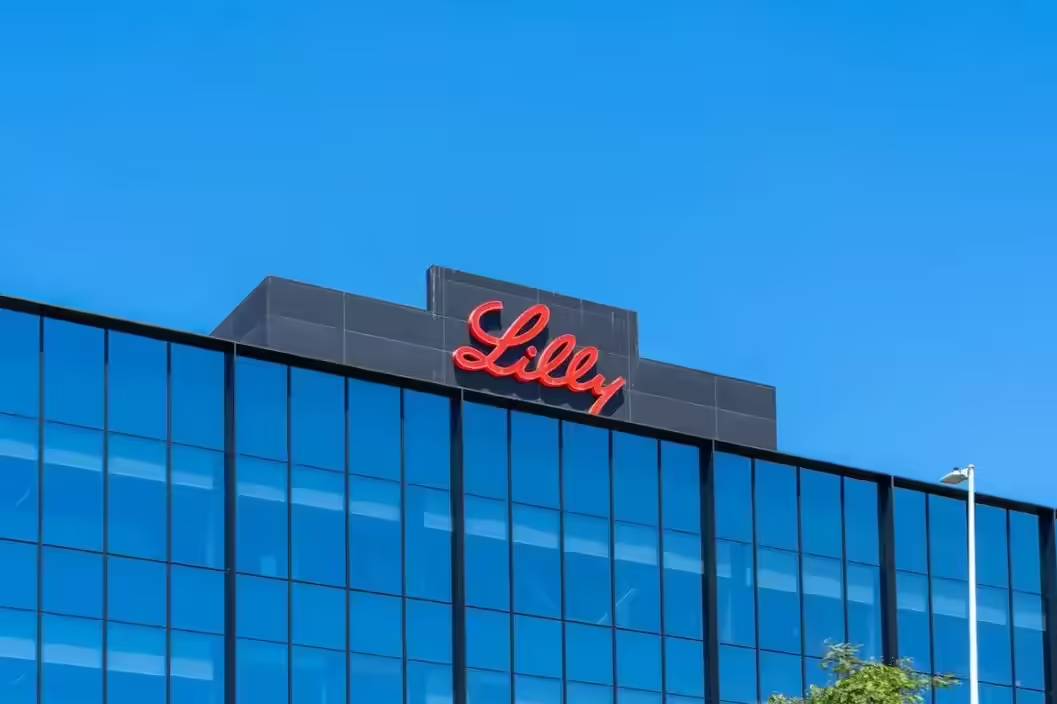
A major development unfolded in the pharmaceutical industry as Eli Lilly struck a $2.75 billion deal with Insilico Medicine to advance AI-developed drugs globally. The agreement signals a strategic shift toward AI-driven drug discovery, with significant implications for healthcare innovation, investment, and global treatment accessibility.

  • Eli Lilly has entered a deal worth up to $2.75 billion with Insilico Medicine to develop and commercialize AI-discovered drugs.
  • The partnership focuses on accelerating drug discovery timelines using AI-driven platforms.
  • Insilico leverages machine learning to identify targets, design molecules, and optimize clinical candidates.
  • The collaboration aims to bring new therapies to global markets more efficiently.
  • The deal reflects growing confidence in AI’s ability to transform pharmaceutical R&D and reduce costs associated with traditional drug development.

The development aligns with a broader trend across global markets where artificial intelligence is reshaping the pharmaceutical industry. Traditional drug discovery is a lengthy and expensive process, often taking over a decade and billions of dollars to bring a single drug to market. AI is increasingly being used to streamline this process by analyzing vast datasets, identifying promising compounds, and predicting outcomes with greater speed and accuracy.

Companies like Insilico Medicine are at the forefront of this transformation, partnering with established pharmaceutical firms to scale innovation. The collaboration reflects a growing convergence between biotechnology and advanced computing. Historically, breakthroughs in drug development have relied on incremental improvements, but AI introduces the potential for exponential gains in efficiency. The deal underscores the rising importance of AI as a strategic asset in healthcare and life sciences.

Industry analysts view the partnership as a strong validation of AI-driven drug discovery. “This deal highlights the growing confidence in AI’s ability to deliver tangible outcomes in pharma,” noted a healthcare investment expert. Executives from Eli Lilly emphasize the potential to accelerate innovation and improve patient outcomes, while Insilico leaders highlight the scalability of their AI platform.

Researchers point out that AI can significantly reduce early-stage failure rates, a major cost driver in drug development. However, experts also caution that clinical validation remains a critical hurdle, with regulatory approvals still dependent on rigorous testing. Policymakers and regulators are closely monitoring AI-driven approaches to ensure safety and efficacy standards are maintained. The collaboration reflects a broader shift toward integrating advanced technologies into core healthcare processes.

For global executives, the deal signals a new era of AI-driven transformation in the pharmaceutical sector. Companies may increasingly invest in AI partnerships to remain competitive and accelerate innovation pipelines. Investors are likely to view such collaborations as high-growth opportunities, potentially reshaping valuations across biotech and healthcare markets.

For policymakers, the rise of AI in drug development raises important questions around regulation, data governance, and patient safety. Healthcare systems could benefit from faster access to new treatments, improving outcomes and reducing costs. However, companies must balance speed with compliance, ensuring that AI-driven discoveries meet stringent regulatory and ethical standards.

The partnership is expected to advance multiple AI-developed drug candidates toward clinical and commercial stages. Decision-makers should monitor trial outcomes, regulatory approvals, and further AI-driven collaborations in the sector. As adoption grows, AI could redefine timelines and cost structures in drug development. Ultimately, the success of such initiatives will determine how quickly AI transitions from experimental tool to core driver of pharmaceutical innovation.

Source: CNBC
Date: March 29, 2026

  • Featured tools
Beautiful AI
Free

Beautiful AI is an AI-powered presentation platform that automates slide design and formatting, enabling users to create polished, on-brand presentations quickly.

#
Presentation
Learn more
Neuron AI
Free

Neuron AI is an AI-driven content optimization platform that helps creators produce SEO-friendly content by combining semantic SEO, competitor analysis, and AI-assisted writing workflows.

#
SEO
Learn more

Learn more about future of AI

Join 80,000+ Ai enthusiast getting weekly updates on exciting AI tools.
Thank you! Your submission has been received!
Oops! Something went wrong while submitting the form.

Eli Lilly $2.75B AI Drug Deal Breakthrough

March 30, 2026

The development aligns with a broader trend across global markets where artificial intelligence is reshaping the pharmaceutical industry. Traditional drug discovery is a lengthy and expensive process, often taking over a decade and billions of dollars to bring a single drug to market.

A major development unfolded in the pharmaceutical industry as Eli Lilly struck a $2.75 billion deal with Insilico Medicine to advance AI-developed drugs globally. The agreement signals a strategic shift toward AI-driven drug discovery, with significant implications for healthcare innovation, investment, and global treatment accessibility.

  • Eli Lilly has entered a deal worth up to $2.75 billion with Insilico Medicine to develop and commercialize AI-discovered drugs.
  • The partnership focuses on accelerating drug discovery timelines using AI-driven platforms.
  • Insilico leverages machine learning to identify targets, design molecules, and optimize clinical candidates.
  • The collaboration aims to bring new therapies to global markets more efficiently.
  • The deal reflects growing confidence in AI’s ability to transform pharmaceutical R&D and reduce costs associated with traditional drug development.

The development aligns with a broader trend across global markets where artificial intelligence is reshaping the pharmaceutical industry. Traditional drug discovery is a lengthy and expensive process, often taking over a decade and billions of dollars to bring a single drug to market. AI is increasingly being used to streamline this process by analyzing vast datasets, identifying promising compounds, and predicting outcomes with greater speed and accuracy.

Companies like Insilico Medicine are at the forefront of this transformation, partnering with established pharmaceutical firms to scale innovation. The collaboration reflects a growing convergence between biotechnology and advanced computing. Historically, breakthroughs in drug development have relied on incremental improvements, but AI introduces the potential for exponential gains in efficiency. The deal underscores the rising importance of AI as a strategic asset in healthcare and life sciences.

Industry analysts view the partnership as a strong validation of AI-driven drug discovery. “This deal highlights the growing confidence in AI’s ability to deliver tangible outcomes in pharma,” noted a healthcare investment expert. Executives from Eli Lilly emphasize the potential to accelerate innovation and improve patient outcomes, while Insilico leaders highlight the scalability of their AI platform.

Researchers point out that AI can significantly reduce early-stage failure rates, a major cost driver in drug development. However, experts also caution that clinical validation remains a critical hurdle, with regulatory approvals still dependent on rigorous testing. Policymakers and regulators are closely monitoring AI-driven approaches to ensure safety and efficacy standards are maintained. The collaboration reflects a broader shift toward integrating advanced technologies into core healthcare processes.

For global executives, the deal signals a new era of AI-driven transformation in the pharmaceutical sector. Companies may increasingly invest in AI partnerships to remain competitive and accelerate innovation pipelines. Investors are likely to view such collaborations as high-growth opportunities, potentially reshaping valuations across biotech and healthcare markets.

For policymakers, the rise of AI in drug development raises important questions around regulation, data governance, and patient safety. Healthcare systems could benefit from faster access to new treatments, improving outcomes and reducing costs. However, companies must balance speed with compliance, ensuring that AI-driven discoveries meet stringent regulatory and ethical standards.

The partnership is expected to advance multiple AI-developed drug candidates toward clinical and commercial stages. Decision-makers should monitor trial outcomes, regulatory approvals, and further AI-driven collaborations in the sector. As adoption grows, AI could redefine timelines and cost structures in drug development. Ultimately, the success of such initiatives will determine how quickly AI transitions from experimental tool to core driver of pharmaceutical innovation.

Source: CNBC
Date: March 29, 2026

Promote Your Tool

Copy Embed Code

Similar Blogs

March 30, 2026
|

Bluesky Unveils AI Driven Feed Customization

The integration of AI into feed customization represents a convergence of personalization and decentralization. Historically, social media has prioritized engagement metrics over user choice.
Read more
March 30, 2026
|

Flawed AI Detection Tools Fuel Humanization Scam

The development aligns with a broader trend across global markets where the rapid adoption of generative AI has outpaced the development of reliable detection and verification tools.
Read more
March 30, 2026
|

Healthcare Leaders Demand Measurable AI ROI for Adoption

The development aligns with a broader trend across global markets where AI adoption is entering a phase of measurable value creation. In healthcare, early enthusiasm around AI-driven diagnostics, automation, and predictive analytics led to widespread experimentation.
Read more
March 30, 2026
|

Alphabet Strengthens AI Moat With Integrated Platform Edge

Competitors like Microsoft and Amazon are also investing heavily in AI, particularly in cloud and enterprise solutions. However, Alphabet’s dominance in search provides a unique data advantage that is difficult to replicate.
Read more
March 30, 2026
|

Apple Taps Google Veteran for AI Marketing Push

The development aligns with a broader trend across global markets where talent acquisition has become a critical lever in the AI race. As companies compete not only on technology but also on user adoption and ecosystem dominance, leadership.
Read more
March 30, 2026
|

Local Businesses Accelerate AI Adoption Across Economy

The development aligns with a broader trend across global markets where AI adoption is moving beyond large corporations into small and medium-sized businesses (SMBs).
Read more