



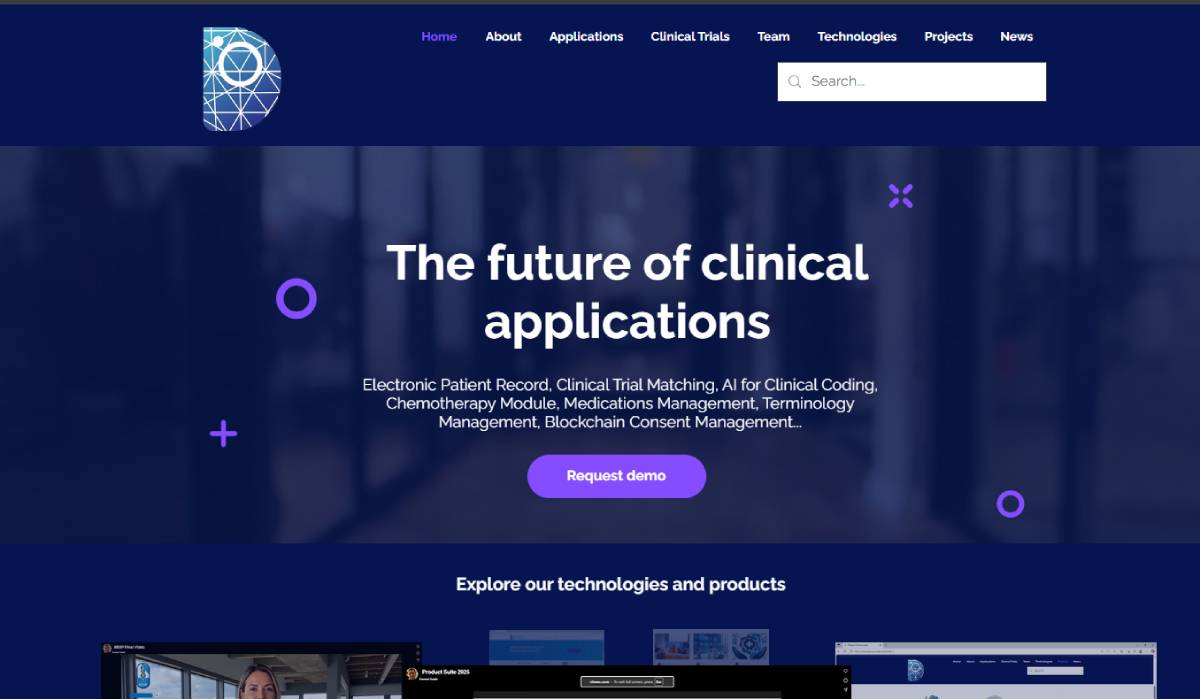
A Luxembourg-based health technology company is addressing one of Europe's biggest healthcare challenges fragmented medical data. Dynaccurate is developing solutions that improve the accessibility, quality, and interoperability of healthcare information, signalling a strategic shift toward data-driven medicine that could enhance patient outcomes, clinical efficiency, and digital healthcare across Europe.
Dynaccurate is building technology designed to organize and harmonize fragmented healthcare data spread across hospitals, laboratories, clinics, and healthcare providers. Its platform seeks to improve data quality, interoperability, and accessibility while supporting clinicians with more comprehensive patient information.
The initiative addresses longstanding inefficiencies caused by disconnected healthcare systems that often slow diagnosis, treatment, and medical research. By leveraging artificial intelligence and advanced data management capabilities, Dynaccurate aims to streamline clinical workflows and improve healthcare decision-making. The company's efforts align with Europe's broader digital health transformation, where secure, standardized medical data sharing is becoming increasingly important for innovation, research collaboration, and patient-centered care.
Healthcare systems worldwide continue to struggle with fragmented patient records, inconsistent data standards, and limited interoperability between medical institutions. As healthcare becomes increasingly digital, governments and providers are investing heavily in technologies that improve electronic health records, AI-powered diagnostics, and secure health information exchange.
The European Union has made healthcare digitization a strategic priority through initiatives promoting cross-border medical data sharing, stronger cybersecurity standards, and standardized electronic health records. Luxembourg has also positioned itself as a growing hub for health technology innovation, supporting startups that combine artificial intelligence, cloud computing, and advanced analytics to modernize healthcare delivery. As aging populations and rising healthcare costs place additional pressure on medical systems, improving data accessibility has become essential for delivering more efficient, personalized, and evidence-based care across Europe.
Healthcare technology experts argue that high-quality medical data forms the foundation of next-generation healthcare. Artificial intelligence can only deliver accurate clinical insights when trained on standardized, complete, and reliable datasets collected across diverse healthcare environments.
Industry analysts note that companies focused on interoperability are becoming increasingly valuable as hospitals seek integrated digital ecosystems rather than isolated software platforms. Experts also emphasize that compliance with privacy regulations, cybersecurity standards, and ethical AI principles will remain critical success factors for digital health providers.
Medical professionals generally support technologies that reduce administrative burdens while improving clinical decision-making. However, they stress that AI should complement not replace physician expertise. Effective collaboration between healthcare providers, technology developers, regulators, and research institutions will determine the pace of digital healthcare adoption throughout Europe.
For healthcare organizations, improved medical data management can enhance operational efficiency, reduce duplication, accelerate diagnosis, and support better patient outcomes. Technology providers specializing in AI, cloud infrastructure, cybersecurity, and health analytics are likely to benefit from rising investment in digital healthcare transformation.
Investors continue viewing health technology as a high-growth sector supported by demographic trends and public-sector modernization initiatives. Policymakers, meanwhile, must balance innovation with strong data governance, privacy protections, and regulatory compliance. For executives across healthcare ecosystems, interoperable medical data increasingly represents a strategic asset capable of improving both operational performance and long-term patient care.
Demand for intelligent healthcare data platforms is expected to accelerate as Europe advances digital health initiatives and cross-border medical collaboration. Decision-makers will monitor regulatory developments, AI adoption, interoperability standards, and healthcare infrastructure investments. Companies capable of securely transforming fragmented medical information into actionable clinical insights are likely to play an increasingly important role in shaping the future of European healthcare.
Source: Silicon Luxembourg
Date: July 2026


