
DJI Upgrades Osmo Pocket 4 for Creators

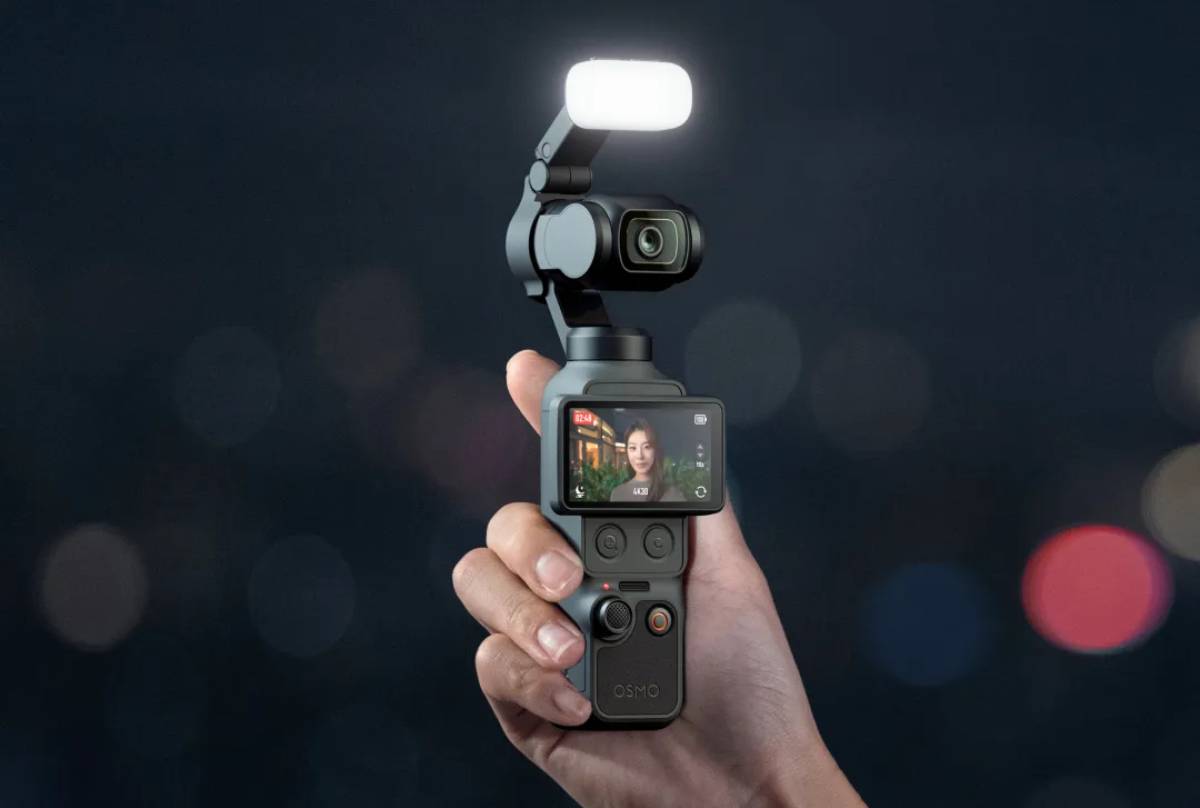
The Osmo Pocket 4 introduces upgraded imaging capabilities, including improved 4K slow-motion capture, enhanced stabilization, and refined computational photography features.

April 17, 2026
|
Image Source: The Verge/DJI

A major development unfolded as DJI unveiled the Osmo Pocket 4, a compact stabilized camera designed to significantly enhance slow-motion video and photo capture. The launch signals intensifying competition in the handheld imaging market, with implications for the global creator economy, consumer electronics segment, and AI-enhanced visual production tools.

The Osmo Pocket 4 introduces upgraded imaging capabilities, including improved 4K slow-motion capture, enhanced stabilization, and refined computational photography features. Built on DJI’s established gimbal technology, the device targets content creators, mobile filmmakers, and professional vloggers seeking high-quality production in compact form factors.

The rollout reflects a strategic push to consolidate DJI’s dominance in portable imaging hardware amid rising competition from smartphone manufacturers and niche camera startups. Key stakeholders include digital content platforms, independent creators, and consumer electronics retailers.

The timing aligns with surging demand for short-form video content across platforms, reinforcing the importance of high-performance mobile production tools in the global creator ecosystem.

The development aligns with a broader trend across global markets where the creator economy is rapidly evolving into a multi-billion-dollar ecosystem driven by short-form video platforms and AI-enhanced content production.

Companies such as GoPro and smartphone leaders like Apple have increasingly integrated advanced imaging systems to capture market share in mobile photography and video production.

Historically, professional-grade video capture required expensive equipment and specialized skills. However, the democratization of content creation tools has shifted demand toward compact, AI-assisted devices capable of delivering cinematic quality on the go.

This transition is also tied to broader AI platforms and tools that enhance image processing, stabilization, and automated editing. As a result, hardware innovation is now tightly coupled with software intelligence in shaping the future of digital storytelling.

Industry analysts view the Osmo Pocket 4 as a continuation of DJI’s strategy to dominate the compact imaging segment by integrating advanced computational features into portable hardware. Experts suggest that improvements in stabilization and slow-motion capture could significantly elevate content quality for independent creators and small production teams.

Market observers note that demand for high-quality mobile video tools is accelerating due to the growth of social media monetization and influencer-driven content ecosystems. However, some analysts caution that smartphone manufacturers are rapidly closing the gap by embedding increasingly sophisticated camera systems powered by AI frameworks and imaging chips. From an industry standpoint, the competition is no longer limited to hardware alone but extends into AI-driven software ecosystems and editing platforms that enhance post-production workflows.

For global executives, the shift could redefine product strategies across consumer electronics, media production, and digital platforms. Companies may need to reassess investments in AI-enhanced imaging tools and integrated content ecosystems to remain competitive.

Investors are likely to view the creator economy as a sustained growth sector, driven by increasing demand for high-quality visual content and mobile production devices. From a policy perspective, the rise of AI-assisted imaging tools raises questions around digital authenticity, content manipulation, and media verification standards.

Consumers will benefit from more accessible professional-grade tools, accelerating the democratization of content creation across global markets. Looking ahead, competition in the compact camera segment is expected to intensify as hardware manufacturers integrate deeper AI capabilities. Decision-makers should monitor advancements in mobile imaging, platform-driven content monetization, and ecosystem integration.

The key uncertainty lies in whether standalone devices can maintain differentiation against rapidly evolving smartphone camera systems powered by advanced AI platforms and tools.

Source: The Verge
Date: April 16, 2026

  • Featured tools
Hostinger Website Builder
Paid

Hostinger Website Builder is a drag-and-drop website creator bundled with hosting and AI-powered tools, designed for businesses, blogs and small shops with minimal technical effort.It makes launching a site fast and affordable, with templates, responsive design and built-in hosting all in one.

#
Productivity
#
Startup Tools
#
Ecommerce
Learn more
Surfer AI
Free

Surfer AI is an AI-powered content creation assistant built into the Surfer SEO platform, designed to generate SEO-optimized articles from prompts, leveraging data from search results to inform tone, structure, and relevance.

#
SEO
Learn more

Learn more about future of AI

Join 80,000+ Ai enthusiast getting weekly updates on exciting AI tools.
Thank you! Your submission has been received!
Oops! Something went wrong while submitting the form.

DJI Upgrades Osmo Pocket 4 for Creators

April 17, 2026

The Osmo Pocket 4 introduces upgraded imaging capabilities, including improved 4K slow-motion capture, enhanced stabilization, and refined computational photography features.

Image Source: The Verge/DJI

A major development unfolded as DJI unveiled the Osmo Pocket 4, a compact stabilized camera designed to significantly enhance slow-motion video and photo capture. The launch signals intensifying competition in the handheld imaging market, with implications for the global creator economy, consumer electronics segment, and AI-enhanced visual production tools.

The Osmo Pocket 4 introduces upgraded imaging capabilities, including improved 4K slow-motion capture, enhanced stabilization, and refined computational photography features. Built on DJI’s established gimbal technology, the device targets content creators, mobile filmmakers, and professional vloggers seeking high-quality production in compact form factors.

The rollout reflects a strategic push to consolidate DJI’s dominance in portable imaging hardware amid rising competition from smartphone manufacturers and niche camera startups. Key stakeholders include digital content platforms, independent creators, and consumer electronics retailers.

The timing aligns with surging demand for short-form video content across platforms, reinforcing the importance of high-performance mobile production tools in the global creator ecosystem.

The development aligns with a broader trend across global markets where the creator economy is rapidly evolving into a multi-billion-dollar ecosystem driven by short-form video platforms and AI-enhanced content production.

Companies such as GoPro and smartphone leaders like Apple have increasingly integrated advanced imaging systems to capture market share in mobile photography and video production.

Historically, professional-grade video capture required expensive equipment and specialized skills. However, the democratization of content creation tools has shifted demand toward compact, AI-assisted devices capable of delivering cinematic quality on the go.

This transition is also tied to broader AI platforms and tools that enhance image processing, stabilization, and automated editing. As a result, hardware innovation is now tightly coupled with software intelligence in shaping the future of digital storytelling.

Industry analysts view the Osmo Pocket 4 as a continuation of DJI’s strategy to dominate the compact imaging segment by integrating advanced computational features into portable hardware. Experts suggest that improvements in stabilization and slow-motion capture could significantly elevate content quality for independent creators and small production teams.

Market observers note that demand for high-quality mobile video tools is accelerating due to the growth of social media monetization and influencer-driven content ecosystems. However, some analysts caution that smartphone manufacturers are rapidly closing the gap by embedding increasingly sophisticated camera systems powered by AI frameworks and imaging chips. From an industry standpoint, the competition is no longer limited to hardware alone but extends into AI-driven software ecosystems and editing platforms that enhance post-production workflows.

For global executives, the shift could redefine product strategies across consumer electronics, media production, and digital platforms. Companies may need to reassess investments in AI-enhanced imaging tools and integrated content ecosystems to remain competitive.

Investors are likely to view the creator economy as a sustained growth sector, driven by increasing demand for high-quality visual content and mobile production devices. From a policy perspective, the rise of AI-assisted imaging tools raises questions around digital authenticity, content manipulation, and media verification standards.

Consumers will benefit from more accessible professional-grade tools, accelerating the democratization of content creation across global markets. Looking ahead, competition in the compact camera segment is expected to intensify as hardware manufacturers integrate deeper AI capabilities. Decision-makers should monitor advancements in mobile imaging, platform-driven content monetization, and ecosystem integration.

The key uncertainty lies in whether standalone devices can maintain differentiation against rapidly evolving smartphone camera systems powered by advanced AI platforms and tools.

Source: The Verge
Date: April 16, 2026

Promote Your Tool

Copy Embed Code

Similar Blogs

April 17, 2026
|

Cybertruck-Style E-Bike Targets Urban Mobility

The newly introduced e-bike, often described as the “Cybertruck of e-bikes,” is designed with a rugged, futuristic aesthetic and enhanced performance capabilities aimed at replacing short car commutes.
Read more
April 17, 2026
|

Casely Reissues Power Bank Recall Over Safety

Casely has officially reannounced a recall of its portable power bank products originally flagged in 2025, following confirmation of a fatality associated with battery malfunction.
Read more
April 17, 2026
|

Telegram Scrutiny Over $21B Crypto Scam

Investigations highlight that Telegram has remained a hosting channel for a sprawling crypto scam ecosystem despite prior sanctions and enforcement actions targeting related entities.
Read more
April 17, 2026
|

Europe Launches Online Age Verification App

European regulators have rolled out a new age verification app designed to help online platforms confirm user eligibility for age-restricted content and services.
Read more
April 17, 2026
|

Meta Raises Quest 3 Prices on Supply Strain

Meta has officially raised prices on its Quest 3 and Quest 3S VR headsets, citing increased memory (RAM) costs amid global supply constraints.
Read more
April 17, 2026
|

Ozlo Sleepbuds See 30% Price Cut

Ozlo Sleepbuds, designed for noise-masking and sleep optimization, are currently being offered at nearly 30% off their standard retail price in a limited-time promotional campaign aligned with Mother’s Day gifting demand.
Read more