
Casely Reissues Power Bank Recall Over Safety

Casely has officially reannounced a recall of its portable power bank products originally flagged in 2025, following confirmation of a fatality associated with battery malfunction.

July 29, 2026
|
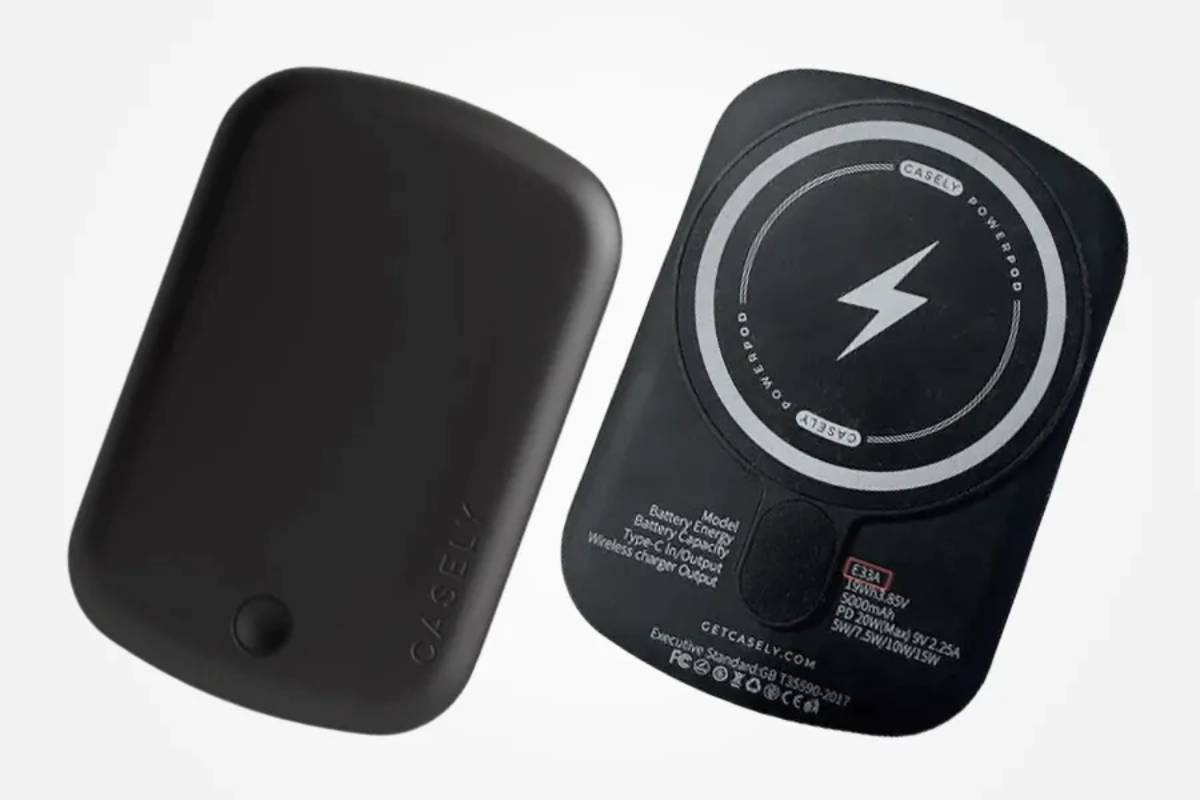
Image: Casely

A renewed consumer safety alert has emerged as Casely reissues a recall of its power bank units following reports of a fatal incident linked to lithium-ion battery failure. The development intensifies scrutiny on portable charging device safety standards, with implications for global electronics manufacturers, regulatory bodies, and consumer risk management frameworks.

Casely has officially reannounced a recall of its portable power bank products originally flagged in 2025, following confirmation of a fatality associated with battery malfunction. The recall involves specific units of its wireless charging “Power Pods,” which have been linked to overheating and potential fire hazards.

Regulatory authorities, including U.S. consumer safety agencies, are reportedly engaged in ongoing oversight of the incident. The recall affects multiple production batches, with consumers advised to discontinue use immediately. The incident highlights persistent safety risks in lithium-ion battery supply chains and raises concerns over manufacturing oversight, product testing protocols, and post-market surveillance mechanisms in consumer electronics.

Lithium-ion battery technology powers a wide range of modern consumer electronics, from smartphones to portable charging devices. However, despite technological maturity, the sector continues to face recurring safety challenges linked to thermal runaway, manufacturing defects, and inadequate quality control.

In recent years, multiple global recalls across the electronics industry have underscored systemic vulnerabilities in battery supply chains, particularly as demand for compact, high-capacity energy storage continues to rise. Portable charging devices, due to their widespread usage and frequent low-cost manufacturing cycles, are especially susceptible to quality inconsistencies.

The Casely recall fits into a broader pattern of regulatory tightening in consumer electronics safety standards. Governments and regulatory agencies have increasingly emphasized post-market accountability, especially in cases involving injury or fatality. The incident also reflects growing consumer dependence on mobile power solutions, which amplifies the potential impact of safety failures across global markets.

Industry safety analysts note that lithium-ion battery incidents, while statistically rare, often carry disproportionate reputational and regulatory consequences for manufacturers. Experts suggest that thermal instability issues typically arise from a combination of design limitations, supply chain variability, and insufficient end-to-end testing.

Consumer safety researchers emphasize that recalls are becoming more frequent as regulatory agencies strengthen enforcement mechanisms and improve reporting transparency. According to industry observers, companies that rely heavily on third-party battery suppliers face elevated risk exposure due to reduced visibility into component-level quality assurance.

While Casely has acknowledged the recall action, broader industry commentary indicates that such incidents are prompting renewed calls for stricter global standards in battery certification and testing. Regulatory bodies are also expected to push for enhanced traceability systems to better track defective components across international supply chains.

For consumer electronics manufacturers, the incident reinforces the operational and reputational risks associated with lithium-ion battery integration. Companies may need to invest more heavily in quality assurance, supplier audits, and real-time product monitoring systems.

Investors in the consumer hardware segment may view recurring recalls as indicators of margin pressure and rising compliance costs. Retailers and distributors could also face increased liability exposure depending on regional consumer protection laws.

From a policy perspective, regulators are likely to tighten certification requirements for portable energy storage devices. This may include stricter testing protocols, enhanced recall transparency mandates, and improved enforcement of post-market surveillance frameworks to reduce consumer risk exposure in high-volume electronics categories.

Looking ahead, the incident is expected to accelerate regulatory momentum around battery safety standards globally. Manufacturers will likely face increased scrutiny over supply chain transparency and testing protocols. Decision-makers should monitor evolving certification requirements and potential harmonization of international safety standards. The key uncertainty remains whether industry-wide reforms can keep pace with rapidly growing demand for portable power solutions in consumer electronics markets.

Source: The Verge
Date: April 17, 2026

  • Featured tools
Copy Ai
Free

Copy AI is one of the most popular AI writing tools designed to help professionals create high-quality content quickly. Whether you are a product manager drafting feature descriptions or a marketer creating ad copy, Copy AI can save hours of work while maintaining creativity and tone.

#
Copywriting
Learn more
Murf Ai
Free

Murf AI Review – Advanced AI Voice Generator for Realistic Voiceovers

#
Text to Speech
Learn more

Learn more about future of AI

Join 80,000+ Ai enthusiast getting weekly updates on exciting AI tools.
Thank you! Your submission has been received!
Oops! Something went wrong while submitting the form.

Casely Reissues Power Bank Recall Over Safety

July 29, 2026

Casely has officially reannounced a recall of its portable power bank products originally flagged in 2025, following confirmation of a fatality associated with battery malfunction.

Image: Casely

A renewed consumer safety alert has emerged as Casely reissues a recall of its power bank units following reports of a fatal incident linked to lithium-ion battery failure. The development intensifies scrutiny on portable charging device safety standards, with implications for global electronics manufacturers, regulatory bodies, and consumer risk management frameworks.

Casely has officially reannounced a recall of its portable power bank products originally flagged in 2025, following confirmation of a fatality associated with battery malfunction. The recall involves specific units of its wireless charging “Power Pods,” which have been linked to overheating and potential fire hazards.

Regulatory authorities, including U.S. consumer safety agencies, are reportedly engaged in ongoing oversight of the incident. The recall affects multiple production batches, with consumers advised to discontinue use immediately. The incident highlights persistent safety risks in lithium-ion battery supply chains and raises concerns over manufacturing oversight, product testing protocols, and post-market surveillance mechanisms in consumer electronics.

Lithium-ion battery technology powers a wide range of modern consumer electronics, from smartphones to portable charging devices. However, despite technological maturity, the sector continues to face recurring safety challenges linked to thermal runaway, manufacturing defects, and inadequate quality control.

In recent years, multiple global recalls across the electronics industry have underscored systemic vulnerabilities in battery supply chains, particularly as demand for compact, high-capacity energy storage continues to rise. Portable charging devices, due to their widespread usage and frequent low-cost manufacturing cycles, are especially susceptible to quality inconsistencies.

The Casely recall fits into a broader pattern of regulatory tightening in consumer electronics safety standards. Governments and regulatory agencies have increasingly emphasized post-market accountability, especially in cases involving injury or fatality. The incident also reflects growing consumer dependence on mobile power solutions, which amplifies the potential impact of safety failures across global markets.

Industry safety analysts note that lithium-ion battery incidents, while statistically rare, often carry disproportionate reputational and regulatory consequences for manufacturers. Experts suggest that thermal instability issues typically arise from a combination of design limitations, supply chain variability, and insufficient end-to-end testing.

Consumer safety researchers emphasize that recalls are becoming more frequent as regulatory agencies strengthen enforcement mechanisms and improve reporting transparency. According to industry observers, companies that rely heavily on third-party battery suppliers face elevated risk exposure due to reduced visibility into component-level quality assurance.

While Casely has acknowledged the recall action, broader industry commentary indicates that such incidents are prompting renewed calls for stricter global standards in battery certification and testing. Regulatory bodies are also expected to push for enhanced traceability systems to better track defective components across international supply chains.

For consumer electronics manufacturers, the incident reinforces the operational and reputational risks associated with lithium-ion battery integration. Companies may need to invest more heavily in quality assurance, supplier audits, and real-time product monitoring systems.

Investors in the consumer hardware segment may view recurring recalls as indicators of margin pressure and rising compliance costs. Retailers and distributors could also face increased liability exposure depending on regional consumer protection laws.

From a policy perspective, regulators are likely to tighten certification requirements for portable energy storage devices. This may include stricter testing protocols, enhanced recall transparency mandates, and improved enforcement of post-market surveillance frameworks to reduce consumer risk exposure in high-volume electronics categories.

Looking ahead, the incident is expected to accelerate regulatory momentum around battery safety standards globally. Manufacturers will likely face increased scrutiny over supply chain transparency and testing protocols. Decision-makers should monitor evolving certification requirements and potential harmonization of international safety standards. The key uncertainty remains whether industry-wide reforms can keep pace with rapidly growing demand for portable power solutions in consumer electronics markets.

Source: The Verge
Date: April 17, 2026

Promote Your Tool

Copy Embed Code

Similar Blogs

July 29, 2026
|

EmulationStation Enhances Retro Gaming Experience

EmulationStation is a front-end interface designed to organize and present video game emulation libraries through a streamlined user experience.
Read more
July 29, 2026
|

Tomoson Expands Influencer Marketing Collaboration

Tomoson operates as an influencer marketing platform designed to help brands collaborate with content creators and manage promotional campaigns.
Read more
July 29, 2026
|

ZeroBin.net Advances Secure Data Sharing

ZeroBin.net operates as a privacy-oriented platform that allows users to share encrypted information through temporary digital channels.
Read more
July 29, 2026
|

Gaia Expands Digital Knowledge Access

Gaia operates within the broader category of digital platforms focused on information discovery, organization, and knowledge accessibility.
Read more
July 29, 2026
|

MailDrop Expands Privacy Email Solutions

MailDrop operates as a temporary email service designed to help users create disposable email addresses for online registrations and digital interactions.
Read more
July 29, 2026
|

MacX YouTube Downloader Enhances Video Management

MacX YouTube Downloader is a multimedia software solution designed to support video downloading, conversion, and management from online platforms.
Read more