
Cybertruck-Style E-Bike Targets Urban Mobility

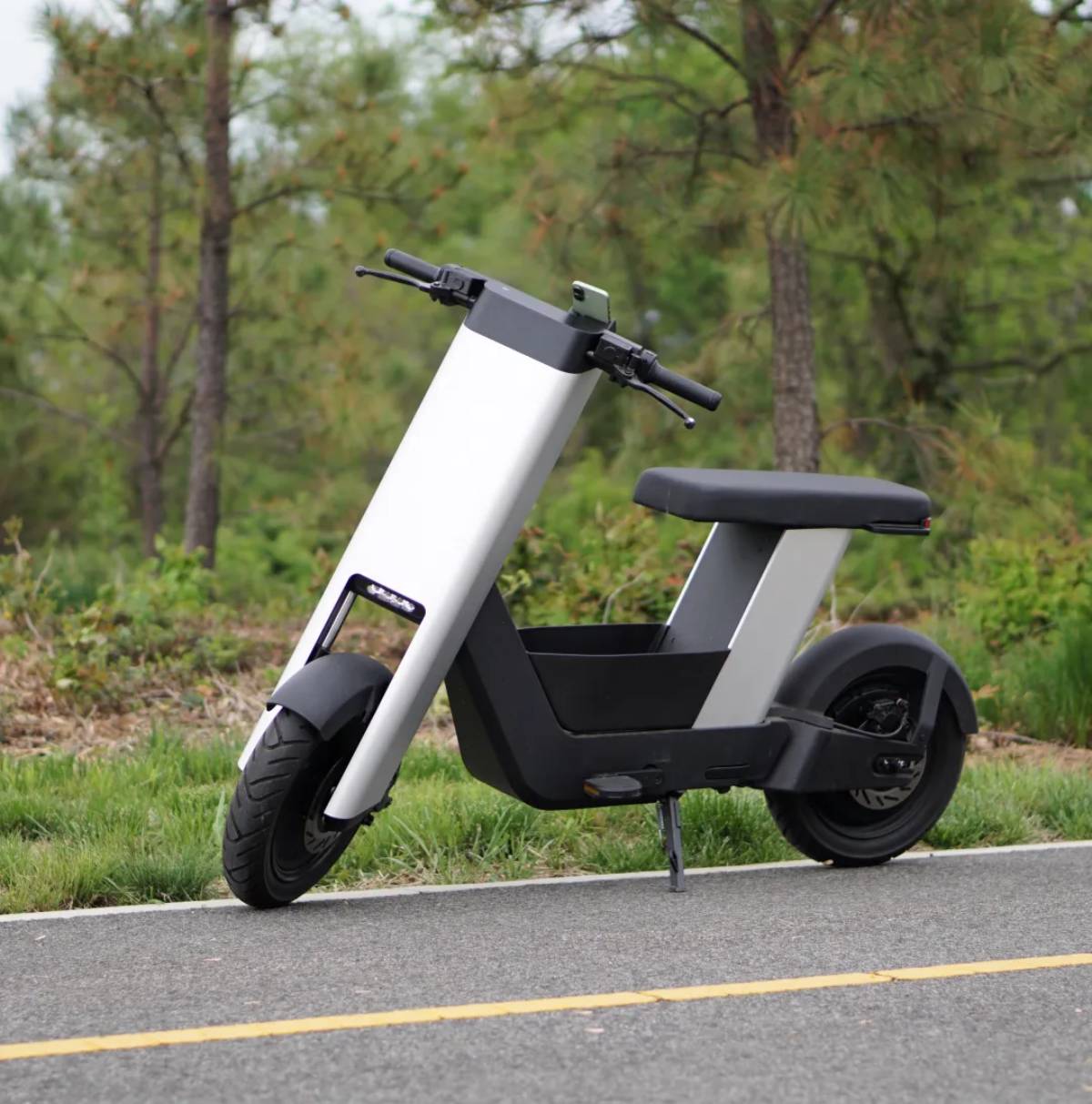
The newly introduced e-bike, often described as the “Cybertruck of e-bikes,” is designed with a rugged, futuristic aesthetic and enhanced performance capabilities aimed at replacing short car commutes.

July 29, 2026
|
Image Source: The Verge

A new high-design electric bicycle inspired by automotive-grade engineering has entered the urban mobility market, positioning itself as a potential substitute for short-distance car travel. The development signals a strategic shift in micro-mobility innovation, with implications for transportation ecosystems, consumer mobility behavior, and sustainable urban infrastructure planning.

The newly introduced e-bike, often described as the “Cybertruck of e-bikes,” is designed with a rugged, futuristic aesthetic and enhanced performance capabilities aimed at replacing short car commutes. Developed by Infinite Machine, the model emphasizes durability, integrated digital systems, and high-torque electric propulsion.

The product targets urban commuters seeking alternatives to internal combustion vehicles for short trips. Its design prioritizes both form factor innovation and functional efficiency, aligning with the growing demand for electrified micro-mobility solutions. The launch comes amid rising global interest in compact electric transport options, particularly in congested metropolitan regions where traditional vehicles face regulatory and infrastructural constraints.

The e-bike sector has experienced rapid expansion over the past decade, driven by urban congestion, climate policy shifts, and advances in battery technology. Cities across Europe, North America, and parts of Asia have increasingly promoted micro-mobility solutions as part of broader decarbonization strategies.

This development aligns with a broader trend across global markets where transportation is being redefined by electrification, shared mobility platforms, and AI-driven urban planning systems. E-bikes, scooters, and compact EVs are now seen as integral components of future mobility ecosystems rather than niche alternatives.

Historically, bicycles served as low-cost transportation solutions, but modern e-bikes now integrate advanced propulsion systems, connectivity features, and smart controls. The entry of high-performance, design-forward models reflects a shift toward premiumization in the segment, where consumer expectations increasingly mirror automotive-level performance and design standards.

Mobility analysts suggest that high-performance e-bikes represent a convergence of automotive engineering principles and lightweight electric transport design. Experts note that consumer interest in replacing short car trips with electric micro-vehicles is accelerating, particularly in dense urban environments where parking and congestion costs are high.

Industry observers highlight that premium e-bike manufacturers are increasingly positioning their products as lifestyle replacements rather than simple commuting tools. This shift is being reinforced by advances in battery density, torque systems, and integrated smart controls.

Transportation policy analysts argue that adoption will depend heavily on infrastructure readiness, including dedicated cycling lanes, charging accessibility, and regulatory classification frameworks. While manufacturers emphasize performance and design, policymakers focus on safety compliance and urban integration. The divergence between innovation speed and regulatory adaptation remains a key tension in the sector.

For mobility companies, the emergence of automotive nspired e-bikes represents both an opportunity and a competitive disruption. Traditional automotive firms may face increased pressure in short-distance transport segments, while micro-mobility startups could see expanded market demand.

Investors in sustainable transport technologies may interpret this trend as a signal of accelerating adoption of alternative mobility ecosystems. However, scalability remains dependent on infrastructure investment and consumer behavioral shifts.

From a policy perspective, governments may need to update regulatory frameworks to accommodate high-speed, high-performance e-bikes. Issues such as road classification, safety standards, and insurance requirements will become increasingly important as micro-mobility blurs the line between bicycles and light electric vehicles.

Looking ahead, the success of premium e-bikes will depend on infrastructure development and consumer willingness to transition from car dependency. Market growth is expected to continue, particularly in urban centers prioritizing sustainability. Decision-makers should monitor regulatory evolution and infrastructure investments, which will determine adoption rates. The broader trajectory suggests that micro-mobility will increasingly compete directly with short-distance automotive travel in global cities.

Source: The Verge
Date: April 17, 2026

  • Featured tools
Murf Ai
Free

Murf AI Review – Advanced AI Voice Generator for Realistic Voiceovers

#
Text to Speech
Learn more
WellSaid Ai
Free

WellSaid AI is an advanced text-to-speech platform that transforms written text into lifelike, human-quality voiceovers.

#
Text to Speech
Learn more

Learn more about future of AI

Join 80,000+ Ai enthusiast getting weekly updates on exciting AI tools.
Thank you! Your submission has been received!
Oops! Something went wrong while submitting the form.

Cybertruck-Style E-Bike Targets Urban Mobility

July 29, 2026

The newly introduced e-bike, often described as the “Cybertruck of e-bikes,” is designed with a rugged, futuristic aesthetic and enhanced performance capabilities aimed at replacing short car commutes.

Image Source: The Verge

A new high-design electric bicycle inspired by automotive-grade engineering has entered the urban mobility market, positioning itself as a potential substitute for short-distance car travel. The development signals a strategic shift in micro-mobility innovation, with implications for transportation ecosystems, consumer mobility behavior, and sustainable urban infrastructure planning.

The newly introduced e-bike, often described as the “Cybertruck of e-bikes,” is designed with a rugged, futuristic aesthetic and enhanced performance capabilities aimed at replacing short car commutes. Developed by Infinite Machine, the model emphasizes durability, integrated digital systems, and high-torque electric propulsion.

The product targets urban commuters seeking alternatives to internal combustion vehicles for short trips. Its design prioritizes both form factor innovation and functional efficiency, aligning with the growing demand for electrified micro-mobility solutions. The launch comes amid rising global interest in compact electric transport options, particularly in congested metropolitan regions where traditional vehicles face regulatory and infrastructural constraints.

The e-bike sector has experienced rapid expansion over the past decade, driven by urban congestion, climate policy shifts, and advances in battery technology. Cities across Europe, North America, and parts of Asia have increasingly promoted micro-mobility solutions as part of broader decarbonization strategies.

This development aligns with a broader trend across global markets where transportation is being redefined by electrification, shared mobility platforms, and AI-driven urban planning systems. E-bikes, scooters, and compact EVs are now seen as integral components of future mobility ecosystems rather than niche alternatives.

Historically, bicycles served as low-cost transportation solutions, but modern e-bikes now integrate advanced propulsion systems, connectivity features, and smart controls. The entry of high-performance, design-forward models reflects a shift toward premiumization in the segment, where consumer expectations increasingly mirror automotive-level performance and design standards.

Mobility analysts suggest that high-performance e-bikes represent a convergence of automotive engineering principles and lightweight electric transport design. Experts note that consumer interest in replacing short car trips with electric micro-vehicles is accelerating, particularly in dense urban environments where parking and congestion costs are high.

Industry observers highlight that premium e-bike manufacturers are increasingly positioning their products as lifestyle replacements rather than simple commuting tools. This shift is being reinforced by advances in battery density, torque systems, and integrated smart controls.

Transportation policy analysts argue that adoption will depend heavily on infrastructure readiness, including dedicated cycling lanes, charging accessibility, and regulatory classification frameworks. While manufacturers emphasize performance and design, policymakers focus on safety compliance and urban integration. The divergence between innovation speed and regulatory adaptation remains a key tension in the sector.

For mobility companies, the emergence of automotive nspired e-bikes represents both an opportunity and a competitive disruption. Traditional automotive firms may face increased pressure in short-distance transport segments, while micro-mobility startups could see expanded market demand.

Investors in sustainable transport technologies may interpret this trend as a signal of accelerating adoption of alternative mobility ecosystems. However, scalability remains dependent on infrastructure investment and consumer behavioral shifts.

From a policy perspective, governments may need to update regulatory frameworks to accommodate high-speed, high-performance e-bikes. Issues such as road classification, safety standards, and insurance requirements will become increasingly important as micro-mobility blurs the line between bicycles and light electric vehicles.

Looking ahead, the success of premium e-bikes will depend on infrastructure development and consumer willingness to transition from car dependency. Market growth is expected to continue, particularly in urban centers prioritizing sustainability. Decision-makers should monitor regulatory evolution and infrastructure investments, which will determine adoption rates. The broader trajectory suggests that micro-mobility will increasingly compete directly with short-distance automotive travel in global cities.

Source: The Verge
Date: April 17, 2026

Promote Your Tool

Copy Embed Code

Similar Blogs

July 29, 2026
|

EmulationStation Enhances Retro Gaming Experience

EmulationStation is a front-end interface designed to organize and present video game emulation libraries through a streamlined user experience.
Read more
July 29, 2026
|

Tomoson Expands Influencer Marketing Collaboration

Tomoson operates as an influencer marketing platform designed to help brands collaborate with content creators and manage promotional campaigns.
Read more
July 29, 2026
|

ZeroBin.net Advances Secure Data Sharing

ZeroBin.net operates as a privacy-oriented platform that allows users to share encrypted information through temporary digital channels.
Read more
July 29, 2026
|

Gaia Expands Digital Knowledge Access

Gaia operates within the broader category of digital platforms focused on information discovery, organization, and knowledge accessibility.
Read more
July 29, 2026
|

MailDrop Expands Privacy Email Solutions

MailDrop operates as a temporary email service designed to help users create disposable email addresses for online registrations and digital interactions.
Read more
July 29, 2026
|

MacX YouTube Downloader Enhances Video Management

MacX YouTube Downloader is a multimedia software solution designed to support video downloading, conversion, and management from online platforms.
Read more